


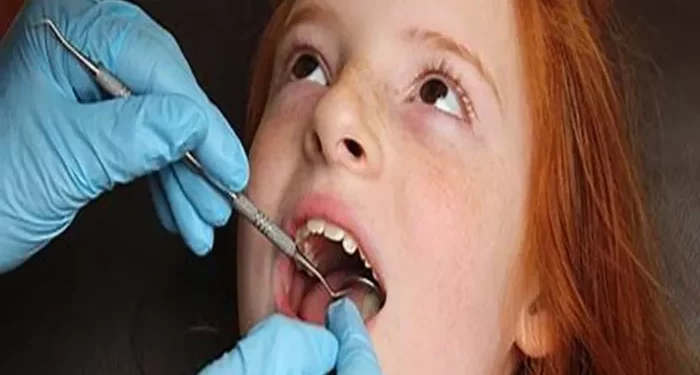
Tooth decay is one of the most common health problems worldwide, affecting individuals across all age groups and demographics. While cavities are often associated with children, the reality is more complex. This comprehensive guide examines which populations are most susceptible to dental caries, the factors that increase risk, and evidence-based strategies for prevention tailored to different groups.
Universal Vulnerability: Cavities Don’t Discriminate
Basic Requirements for Cavity Formation
Cavities develop when three factors combine:
- Susceptible tooth surfaces
- Cavity-causing bacteria
- Fermentable carbohydrates
- Enough time for damage to occur
Everyone Is at Potential Risk
Fundamental truths:
- 97% of humans will experience cavities
- Only 3% appear genetically resistant
- Risk levels vary dramatically
- Prevention can overcome most risks
- Early detection is crucial
Children: The Highest Risk Group
Primary Teeth Vulnerability
Why baby teeth decay easily:
- Thinner enamel structure
- Sweeter diets and frequent snacking
- Developing oral hygiene skills
- Prolonged bottle/breastfeeding
- Delayed dental visits
Alarming Statistics
Prevalence data:
- 23% of 2-5 year olds have cavities
- 52% of 6-8 year olds experience decay
- Low-income children have 2× higher rates
- Early childhood caries is the #1 chronic childhood disease
Adolescents: A Critical Transition Period
Changing Risk Factors
Teen-specific challenges:
- Orthodontic treatment difficulties
- Increased soda/energy drink consumption
- Less parental supervision
- Irregular routines
- Emerging health habits
Concerning Trends
Research shows:
- 60% of teens have had cavities
- Sports drink use increases risk
- Wisdom teeth begin erupting
- Eating disorders may emerge
- Tobacco experimentation starts
Adults: Not Immune to Decay
Common Adult Risk Factors
Major contributors:
- Receding gums exposing roots
- Dry mouth from medications
- Existing dental work breakdown
- Stress-related grinding
- Diet and lifestyle changes
Significant Data Points
Adult cavity prevalence:
- 92% of adults 20-64 have had cavities
- Average adult has 3.28 decayed teeth
- Root caries increases with age
- Pregnancy creates temporary risks
Seniors: Growing Problem Population
Age-Related Vulnerabilities
Key factors:
- Multiple medication use
- Physical/cognitive decline
- Existing dental work aging
- Manual dexterity challenges
- Financial barriers to care
Troubling Statistics
Older adult findings:
- 96% of those 65+ have had cavities
- Root caries affects 50% of seniors
- Nursing home residents at highest risk
- Links to malnutrition and pneumonia
High-Risk Medical Conditions
Diabetes Connection
Two-way relationship:
- High blood sugar feeds oral bacteria
- Gum disease worsens diabetes control
- Slower healing of dental problems
- More aggressive decay patterns
- Increased infection risks
Autoimmune Disorders
Problematic conditions:
- Sj?gren’s syndrome (reduces saliva)
- Rheumatoid arthritis (limits brushing)
- Crohn’s disease (nutrient absorption)
- HIV/AIDS (immune compromise)
- Eating disorders (acid erosion)
Medication-Related Risks
Dry Mouth Culprits
Common offenders:
- 400+ medications reduce saliva
- Antidepressants
- Antihistamines
- Blood pressure drugs
- Pain medications
Other Medication Effects
Additional impacts:
- Sugar in liquid medications
- Gum overgrowth from some drugs
- Altered taste increasing snacking
- Bleeding risks complicating care
- Interactions with dental anesthetics
Socioeconomic Disparities
Access Barriers
Challenges faced:
- Limited dental insurance
- Fewer preventive care visits
- Lack of fluoridated water
- Transportation difficulties
- Competing financial priorities
Health Impact
Consequences include:
- Higher untreated decay rates
- More emergency dental visits
- Increased tooth loss
- Reduced employability
- Lower quality of life
Genetic Susceptibility
Inherited Risk Factors
Genetic components:
- Enamel formation quality
- Saliva composition
- Immune response to bacteria
- Taste preferences
- Microbiome characteristics
Managing Genetic Risks
Proactive approaches:
- Earlier and more frequent prevention
- Specialized home care products
- Dietary counseling
- Professional fluoride treatments
- Sealants on all susceptible teeth
Prevention Strategies by Risk Group
Children’s Protection Plan
Essential elements:
- First dental visit by age 1
- Fluoride toothpaste (rice grain amount)
- Dental sealants at eruption
- Supervised brushing until age 8
- Limited sugary snacks/drinks
Adult Prevention Protocol
Key components:
- Electric toothbrush with timer
- Daily flossing/interdental cleaning
- Alcohol-free fluoride mouthwash
- Regular professional cleanings
- Dry mouth management
Emerging At-Risk Populations
Bariatric Surgery Patients
New concerns:
- Altered eating patterns
- Nutrient absorption issues
- Acid reflux damage
- Medication side effects
- Rapid dietary changes
Cancer Survivors
Treatment impacts:
- Radiation-induced dry mouth
- Chemotherapy affects enamel
- Immune system compromise
- Graft-versus-host disease
- Long-term medication use
Conclusion
The reality is nearly everyone can develop cavities given the right (or wrong) combination of factors. While children traditionally face the highest rates, adults and seniors are increasingly vulnerable due to medications, aging dental work, and other modern health challenges. The good news is that understanding your specific risk factors allows for targeted prevention strategies that can effectively reduce cavity likelihood regardless of age or health status.
Modern dentistry offers increasingly personalized approaches to cavity prevention based on each individual’s unique risk profile. From specialized fluoride treatments to dietary modifications and advanced home care products, we now have more tools than ever to combat tooth decay across all populations. The key is early intervention and consistent prevention – don’t wait for pain or visible damage before taking action. By recognizing that cavity risk evolves throughout life and adapting your oral care accordingly, you can maintain a healthy, functional smile for decades to come.
Related topic:
- Can dental implants get cavities?
- Why Am I Always Getting Cavities?
- Why Do Adults Get Cavities?
Tags: dental implantdental implantsdiseaseteethtoothtooth decay