


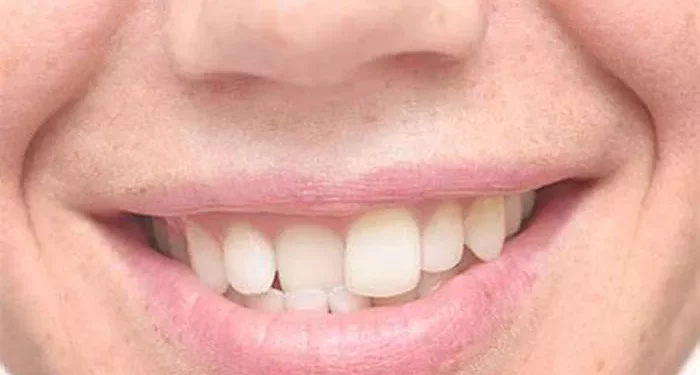
Back teeth (molars and premolars) are particularly prone to decay, often developing cavities faster than front teeth. Many patients are surprised to find significant decay in these important chewing teeth despite regular brushing. This article explores the unique vulnerabilities of back teeth, explains why they decay so readily, and provides evidence-based solutions to protect and restore these crucial components of your dentition.
Anatomy of Back Teeth That Promotes Decay
Complex Surface Features
Back teeth contain:
- Deep grooves and fissures that trap plaque
- Multiple cusps with hard-to-clean valleys
- Broad chewing surfaces with microscopic pits
- Tight contact areas between adjacent teeth
Position Challenges
Cleaning difficulties due to:
- Location far back in the mouth
- Limited visibility during brushing
- Cheek interference during cleaning
- Tongue obstruction on lingual surfaces
Primary Causes of Back Tooth Decay
Plaque Accumulation in Grooves
Problem dynamics:
- Bacteria thrive in undisturbed fissures
- Acid attacks last longer in protected areas
- Toothbrush bristles can’t reach deepest grooves
- Early decay often goes unnoticed
Inadequate Chewing Surface Cleaning
Common mistakes:
- Brushing too quickly over uneven surfaces
- Using incorrect brushing angles
- Skipping occlusal (biting) surfaces
- Not using auxiliary cleaning tools
Frequent Food Impaction
Problem foods include:
- Sticky candies and dried fruits
- Fibrous meats
- Popcorn kernels
- Seeds and nuts
- Bread products
High-Risk Factors for Back Tooth Decay
Poor Occlusal Anatomy
Risk-increasing features:
- Exceptionally deep grooves
- Enamel defects
- Crowded tooth positioning
- Malformed tooth development
Existing Dental Work
Restoration-related risks:
- Large fillings weakening tooth structure
- Open margins allowing leakage
- Worn amalgam fillings
- Fractured cusps adjacent to fillings
Dry Mouth Conditions
Saliva’s protective roles:
- Neutralizes plaque acids
- Washes away food debris
- Contains remineralizing minerals
- Antibacterial properties
Common causes of reduced saliva:
- Medications (antihistamines, antidepressants)
- Mouth breathing
- Radiation therapy
- Autoimmune disorders
Recognizing Back Tooth Decay
Early Warning Signs
Initial indicators:
- White chalky spots in grooves
- Brown staining in fissures
- Food consistently getting stuck
- Mild sensitivity to sweets
Advanced Symptoms
Later stage signs:
- Visible holes or pits
- Dark brown/black discoloration
- Pain when chewing
- Spontaneous toothache
Diagnostic Methods
Dental detection tools:
- Explorer examination of grooves
- Bitewing X-rays between teeth
- Laser fluorescence devices
- Magnification with intraoral cameras
- Dye-assisted cavity detection
Prevention Strategies for Back Teeth
Optimal Brushing Technique
Proper cleaning method:
- Use small circular motions
- Focus on groove areas
- Angle bristles into fissures
- Spend extra time on back teeth
- Consider electric toothbrush
Essential Supplemental Cleaning
Critical additional tools:
- Dental floss for tight contacts
- Interdental brushes for larger spaces
- Water flosser for hard-to-reach areas
- Chewing ends of floss picks for grooves
Protective Dental Treatments
Professional options:
- Dental sealants for deep grooves
- Fluoride varnish applications
- Professional cleaning every 6 months
- Occlusal adjustment if needed
Treatment Options for Decayed Back Teeth
Early Stage Interventions
Conservative approaches:
- Resin infiltration for initial lesions
- Fluoride-releasing sealants
- Remineralization therapies
- Microabrasion for superficial stains
Restorative Treatments
Common procedures:
- Composite resin fillings
- Amalgam fillings where appropriate
- Inlays/onlays for moderate decay
- Crowns for extensively damaged teeth
Advanced Cases
Severe damage solutions:
- Root canal therapy
- Crown lengthening procedures
- Tooth extraction when non-restorable
- Implants or bridges after extraction
Special Considerations
Children’s Back Teeth
Pediatric-specific concerns:
- Primary molars with thinner enamel
- Difficulty cleaning back teeth properly
- Importance of sealants on new molars
- Higher sugar consumption patterns
Older Adults
Age-related challenges:
- Root exposure from gum recession
- Existing large restorations failing
- Decreased manual dexterity
- Multiple medications causing dry mouth
When to Seek Emergency Care
Urgent Situations
Require immediate attention:
- Severe throbbing pain
- Visible swelling in gum area
- Broken tooth with sharp edges
- Pus discharge near tooth
- Fever with tooth pain
High-Risk Cases
Special concerns:
- Compromised immune system
- Pre-existing heart conditions
- Uncontrolled diabetes
- Pregnancy with active infection
Long-Term Maintenance Plan
Professional Care Schedule
Recommended visits:
- Cleanings every 6 months
- Bitewing X-rays annually
- Fluoride treatments as needed
- Periodic occlusal assessments
Home Monitoring
Self-check guidelines:
- Watch for new staining
- Note chewing discomfort
- Check for rough surfaces
- Monitor food impaction areas
Emerging Treatment Technologies
Innovative Materials
New developments:
- Bioactive composite resins
- Glass ionomer improvements
- Self-healing filling materials
- Nanotechnology applications
Diagnostic Advances
Future possibilities:
- AI-assisted decay detection
- Optical coherence tomography
- 3D intraoral scanning
- Salivary biomarker testing
Frequently Asked Questions
Why do back teeth decay so easily?
Their deep grooves trap food and bacteria, they’re harder to clean thoroughly, and they endure significant chewing forces that can open fissures.
Are sealants effective for preventing back tooth decay?
Yes, sealants are highly effective when properly placed on decay-free teeth, reducing cavity risk by about 80% in treated grooves.
Can a back tooth with a large filling be saved?
Many can be saved with proper restoration (often a crown) and root canal treatment if needed, depending on remaining tooth structure.
How can I clean my back teeth better?
Use angled brushing techniques, consider an electric toothbrush, add interdental cleaners, and ask your hygienist for personalized tips.
Conclusion
Back teeth decay readily due to their complex anatomy, challenging cleaning access, and heavy functional demands. However, understanding these vulnerabilities allows for targeted prevention strategies. Combining excellent home care with professional preventive treatments can significantly reduce your risk of back tooth decay.
Modern dentistry offers numerous solutions – from minimally invasive treatments for early decay to advanced restorative options for severely damaged molars. The key is early detection and intervention through regular dental examinations. By implementing proper cleaning techniques, dietary modifications, and consistent professional care, you can maintain healthy, functional back teeth for a lifetime of comfortable chewing. Don’t ignore early warning signs – addressing back tooth decay promptly leads to simpler, more conservative treatments and better long-term outcomes.
Related topic:
- Why Are Some People Prone To Tooth Decay?
- Renaissance Expands Access to Affordable Dental and Vision Benefits Through New Partnerships and Innovations
- Johnny Depp Defends Dental Flaws as Cannes Applauds His Latest Film
Tags: teethtoothtooth decay