


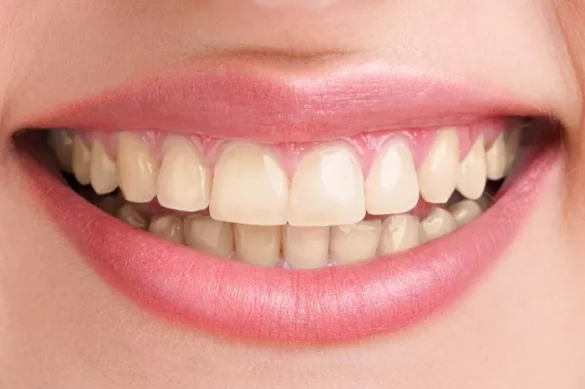
Our teeth are one of the most noticeable parts of our body. They are essential not only for aesthetics but also for proper function, helping us chew and speak. However, many people notice that their teeth may appear yellow and even have a transparent edge. This condition can affect a person’s confidence and overall oral health. In this article, we will explore the reasons why your teeth may be yellow and transparent, along with potential solutions.
Understanding Tooth Anatomy
To comprehend why teeth become yellow and transparent, it’s important to first understand the basic structure of a tooth.
Teeth are made up of several layers:
- Enamel: The outermost layer, which is translucent and provides protection.
- Dentin: The yellowish layer beneath the enamel that gives the tooth its color.
- Pulp: The innermost part of the tooth containing nerves and blood vessels.
The appearance of your teeth largely depends on the enamel’s condition. When enamel thins or becomes damaged, the underlying dentin becomes more visible, causing the teeth to look yellow and sometimes even transparent around the edges.
Common Causes of Yellow and Transparent Teeth
1. Enamel Erosion
One of the most common reasons teeth turn yellow and transparent is enamel erosion. Enamel is the protective outer layer of your teeth, but over time it can wear down due to several factors. As enamel thins, the yellow dentin beneath becomes more visible, and the edges of your teeth may appear transparent.
Enamel erosion can occur for several reasons:
- Acidic Foods and Beverages: Citrus fruits, soda, wine, and other acidic foods can erode enamel over time.
- Brushing Too Hard: Using a hard-bristled toothbrush or brushing too aggressively can wear down enamel.
- Acid Reflux: Stomach acids can reach the mouth, further damaging the enamel.
2. Smoking and Tobacco Use
Smoking and tobacco use can contribute to yellow teeth. The nicotine and tar in tobacco can stain the enamel, causing a yellowish appearance. These stains are often difficult to remove and may cause the enamel to weaken over time, leading to more transparency at the edges of the teeth.
3. Poor Oral Hygiene
Inadequate brushing and flossing allow plaque to build up on the surface of your teeth. Plaque contains bacteria that produce acids that can damage enamel. If not cleaned properly, plaque can lead to both yellowing of the teeth and thinning of the enamel.
4. Age-Related Changes
As we age, enamel naturally becomes thinner. This process, combined with years of exposure to staining foods and drinks, leads to yellowing teeth and sometimes a transparent edge. Age-related tooth discoloration is a natural part of the aging process, but it can be exacerbated by lifestyle habits.
5. Genetic Factors
Genetics also play a role in the color and transparency of your teeth. Some people naturally have thinner enamel or more yellowish dentin, which can make their teeth appear yellow and transparent more easily. If your family members have similar tooth issues, it may be partly hereditary.
6. Medications and Treatments
Certain medications can cause discoloration and weakening of the enamel. For example, antibiotics like tetracycline can stain teeth, and chemotherapy can weaken tooth enamel. If you’re undergoing any long-term treatments, consult with your dentist about potential side effects on your teeth.
How to Fix Yellow and Transparent Teeth
1. Improve Your Oral Hygiene Routine
One of the most important steps in improving the appearance of your teeth is maintaining a good oral hygiene routine. Brush your teeth at least twice a day using a fluoride toothpaste. Fluoride helps strengthen enamel and prevents further erosion.
Flossing daily is essential to remove plaque and prevent decay, which can lead to yellowing. Regular visits to your dentist for cleanings will also help remove stubborn stains and tartar buildup.
2. Use Tooth Whitening Products
If your teeth have become yellow due to staining, you may consider using teeth whitening products. Over-the-counter whitening toothpaste, gels, or strips can help remove surface stains and improve your smile. However, be cautious with these products, as excessive use can sometimes lead to further enamel wear.
3. Avoid Staining Foods and Beverages
To prevent further yellowing, limit your consumption of foods and beverages that can stain your teeth, such as coffee, tea, red wine, and tobacco. If you do consume them, rinse your mouth with water afterward or brush your teeth to reduce staining.
4. Consider Professional Whitening
If over-the-counter products don’t give you the results you’re looking for, professional whitening treatments from your dentist may be a more effective solution. These treatments use stronger bleaching agents that can help remove deep stains and improve the overall appearance of your teeth.
5. Dental Bonding or Veneers
In cases where enamel erosion is significant, cosmetic dental treatments like bonding or veneers can provide a more permanent solution. Dental bonding involves applying a resin to the teeth to restore their appearance, while veneers are thin shells placed over the front of the teeth to improve both color and shape.
6. Avoid Acidic Foods and Drinks
To protect your enamel from further erosion, it’s important to avoid or limit your consumption of acidic foods and drinks. If you do consume them, try to rinse your mouth with water afterward to help neutralize the acids. Using a straw when drinking acidic beverages can also reduce direct contact with your teeth.
When to See a Dentist
If you notice significant yellowing or transparency on your teeth that doesn’t improve with proper oral care, it’s important to visit your dentist. A dentist can evaluate the cause of the discoloration, check for enamel erosion, and recommend appropriate treatment options.
In some cases, yellow teeth may be a sign of an underlying health issue, such as enamel hypoplasia or a nutritional deficiency. Your dentist will perform a thorough examination to diagnose the problem and suggest the best course of action.
Conclusion
Yellow and transparent teeth can be a frustrating cosmetic issue, but understanding the underlying causes can help you take the right steps to improve your smile. Whether it’s through better oral hygiene, whitening treatments, or professional dental care, there are effective solutions to restore the natural appearance of your teeth.
Remember, maintaining good oral habits and visiting your dentist regularly are key to preventing further damage and ensuring your teeth stay healthy and bright.