


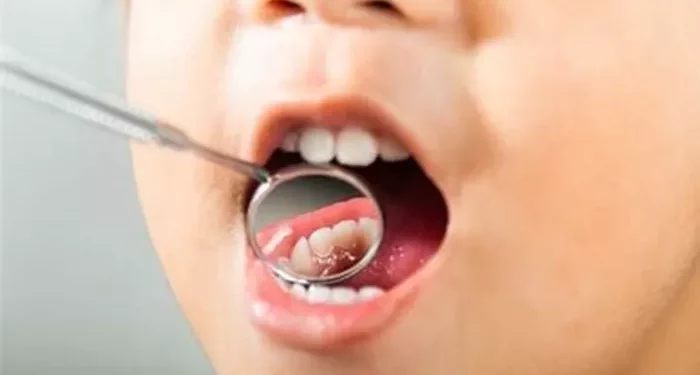
As a dentist, I often encounter patients who experience a puzzling phenomenon – their severe toothache suddenly vanishes without treatment. While this might seem like a relief, it frequently indicates significant changes within the tooth that require professional attention. Understanding why dental pain can spontaneously disappear helps patients make informed decisions about their oral health and avoid potential complications.
Natural Healing vs. Concerning Changes
Temporary Inflammation Resolution
Possible benign explanations:
- Mild reversible pulpitis calming down
- Removal of irritant (food debris)
- Secondary dentin formation
- Abscess drainage through gum fistula
Warning Signs of Nerve Death
Troubling reasons pain stops:
- Necrotic pulp tissue no longer transmits signals
- Complete nerve degeneration
- Abscess formation altering pressure
- Tooth fracture changing stress distribution
Common Reasons Pain Suddenly Stops
Pulp Necrosis Process
How nerves die silently:
- Progressive inflammation cuts off blood supply
- Oxygen deprivation kills nerve tissue
- Bacterial toxins destroy pulp gradually
- Pain disappears as nerves lose function
Abscess Drainage
Pressure release mechanisms:
- Pus finds path through root apex
- Gum “pimple” (fistula) forms
- Internal pressure decreases
- Pain diminishes temporarily
Temporary Pain Relief Factors
Dentin Bridge Formation
Natural protective response:
- Odontoblasts create secondary dentin
- Thickens barrier between pulp and irritants
- Reduces sensitivity over weeks
- Occurs in slowly progressing decay
Behavioral Changes
Conscious or unconscious adaptations:
- Avoiding chewing on affected side
- Changing brushing technique
- Eliminating temperature extremes
- Reducing sugary food intake
When Disappearing Pain Signals Danger
Silent Progression of Infection
Hidden damage continues:
- Bacteria multiply in necrotic pulp
- Infection spreads to surrounding bone
- May become systemic without symptoms
- Eventual swelling or fever appears
Delayed Complications
Future problems that may develop:
- Tooth discoloration
- Root resorption
- Periapical cyst formation
- Increased fracture risk
Professional Assessment Needed
Diagnostic Tests Dentists Use
Identifying the underlying cause:
- Thermal sensitivity tests
- Percussion testing
- Electric pulp testing
- Bite pressure evaluation
- Dental radiographs
Why Immediate Evaluation Matters
Preventing worse outcomes:
- Early treatment preserves tooth
- Avoids more complex procedures
- Prevents bone loss
- Reduces infection risk
Treatment Options Based on Cause
For Reversible Pulpitis
Conservative approaches:
- Remove decay and place filling
- Medicated liner application
- Observation period
- Improved oral hygiene
For Necrotic Pulp
More involved treatment:
- Root canal therapy
- Possible antibiotic course
- Final restoration (crown often needed)
- Follow-up monitoring
Patient Misconceptions About Disappearing Pain
“No Pain Means No Problem”
Dangerous assumption:
- Many serious dental conditions are painless
- Early cavities rarely hurt
- Gum disease progresses silently
- Oral cancers often painless initially
“I Can Postpone Dental Visits”
Risks of delaying care:
- Small problems become big ones
- Treatment complexity increases
- Costs rise significantly
- Tooth survival chances decrease
Special Considerations
For Children’s Disappearing Toothache
Pediatric-specific factors:
- Larger pulp chambers heal better
- Primary teeth resolve inflammation differently
- Communication challenges
- Importance of saving baby teeth
For Elderly Patients
Age-related considerations:
- Reduced pain perception
- Multiple medical factors
- Medication effects on symptoms
- Higher complication risks
Home Monitoring Guidelines
Signs to Watch For
Indicators of trouble:
- Tooth discoloration
- Gum swelling or pimple
- Bad taste in mouth
- Loose tooth sensation
When to Seek Immediate Care
Urgent warning signs:
- Facial swelling developing
- Fever accompanying dental issues
- Difficulty swallowing
- Pus discharge
Long-Term Implications
For Untreated Necrotic Teeth
Potential consequences:
- Acute abscess formation
- Bone loss around roots
- Spread of infection
- Systemic health impacts
For Properly Treated Teeth
Positive outcomes:
- Maintained chewing function
- Preserved jawbone
- Prevented adjacent tooth problems
- Restored appearance
Prevention Strategies
Avoiding Future Problems
Protective measures:
- Regular dental checkups
- Bitewing x-rays as recommended
- Proper oral hygiene routine
- Protective sealants when appropriate
Early Intervention Benefits
Advantages of prompt care:
- Smaller, simpler treatments
- Lower costs
- More predictable results
- Better long-term prognosis
Conclusion
While the sudden disappearance of tooth pain might seem like a relief, it often signals important changes in the tooth’s condition that require professional evaluation. Nerve death, abscess formation, or other serious developments frequently underlie this apparent improvement. Rather than viewing vanished pain as a cure, consider it an important symptom that merits dental examination.
If you’ve experienced sudden resolution of dental pain without treatment, schedule an appointment with your dentist promptly. Diagnostic tests can determine whether your tooth has healed naturally or requires intervention to prevent future complications. Remember that many of the most serious dental conditions develop with minimal or intermittent pain. Regular preventive care remains the best strategy for maintaining healthy, pain-free teeth throughout your lifetime. Your dentist can help you understand what caused your specific symptoms and recommend appropriate next steps to protect your oral health.
Related topic:
- How Long Does Dental Numbing Last After Filling
- What is the effective method of yellow black tooth whitening?
- Note that if these 5 conditions appear in your teeth, you should go to the dentist immediately!
Tags: curediseaseteethtoothwhitening