


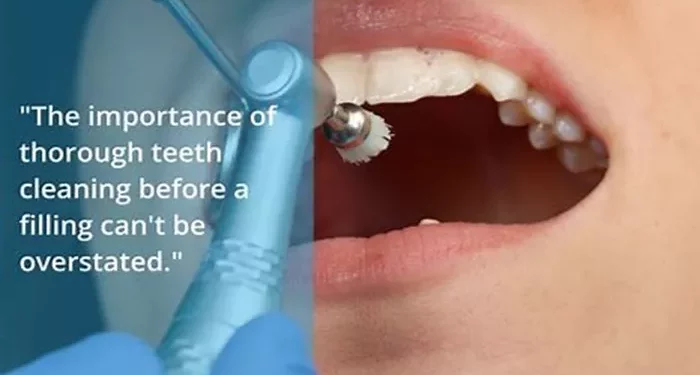
The dental drill’s distinctive sound makes many patients nervous, often leading them to wonder why this step is necessary before getting a filling. As a dentist, I want to explain the important clinical reasons we prepare teeth by removing certain areas before placing restorations. Understanding this process can help patients feel more comfortable and confident during their dental treatment.
The Purpose of Tooth Preparation
Removing Damaged Tooth Structure
Essential first step:
- Decayed enamel and dentin must be completely eliminated
- Bacteria-infected tooth material cannot heal
- Prevents further decay under the restoration
- Creates clean margins for proper sealing
Shaping the Tooth for Restoration
Technical requirements:
- Provides space for filling material
- Creates mechanical retention features
- Allows proper contouring of the restoration
- Ensures correct bite alignment
The Science Behind Drilling
How Decay Affects Tooth Structure
Biological changes:
- Acid dissolves mineral content
- Creates porous, weakened areas
- Bacteria penetrate deeper than visible
- Compromised structure can’t support filling
Why Drilling is Necessary
Clinical rationale:
- Stops decay progression
- Removes irreversibly damaged tissue
- Prevents future breakdown
- Enables strong bonding
Step-by-Step Preparation Process
Initial Decay Removal
Careful elimination:
- Using visual and tactile cues
- Removing softened tooth structure
- Checking with caries-detecting dye
- Preserving healthy enamel
Final Tooth Preparation
Creating ideal conditions:
- Smoothing rough edges
- Establishing proper cavity shape
- Ensuring adequate depth
- Preparing for specific filling type
Alternative Preparation Methods
Air Abrasion Technology
For select cases:
- Uses fine particle stream
- Removes minimal tooth structure
- Limited to small cavities
- Less noise and vibration
Laser Preparation
Emerging option:
- Precise tissue removal
- Reduced need for anesthesia
- Currently high equipment cost
- Limited to certain cavity types
Patient Comfort During Preparation
Modern Anesthesia Techniques
Pain management:
- Topical numbing gel first
- Computer-controlled delivery
- Warm anesthetic solutions
- Alternative injection sites
Reducing Anxiety
Psychological approaches:
- Detailed explanations
- Noise-canceling headphones
- Stop signals for breaks
- Distraction techniques
Common Patient Questions
“Why Remove So Much Tooth?”
Clinical perspective:
- Decay often spreads wider than visible
- Must reach sound tooth structure
- Need space for durable filling
- Prevents future fractures
“Can’t You Just Fill Over It?”
Biological reality:
- Decay would continue underneath
- Bonding to damaged tooth fails
- Leads to recurrent cavities
- Causes premature filling loss
Aftercare Following Preparation
Temporary Sensitivity
Normal responses:
- Mild hot/cold sensitivity
- Occasional biting discomfort
- Gum irritation
- Usually resolves in days
Protecting the Prepared Tooth
Until final restoration:
- Avoid hard/sticky foods
- Maintain gentle cleaning
- Use desensitizing toothpaste
- Follow dentist’s instructions
Conclusion
Dentists drill teeth before fillings to thoroughly remove decay and create the ideal foundation for long-lasting restorations. This careful preparation process, while sometimes anxiety-provoking, ultimately preserves more tooth structure and provides better outcomes than simply filling over problem areas. Modern techniques have made the procedure more comfortable and precise than ever before.
If you’re nervous about tooth preparation, discuss your concerns with your dentist. Today’s dental professionals have numerous ways to make your experience more pleasant while ensuring your tooth receives the thorough treatment it needs. Remember that proper preparation leads to fillings that look better, last longer, and protect your tooth from future problems. Your cooperation during this important step helps ensure successful, comfortable results.
Related topic:
- How Do Dentists Remove Old Fillings?
- What to Do When a Cavity Falls Out
- How Do Dentists Fill Cavities in Front Teeth?
Tags: teethtooth