


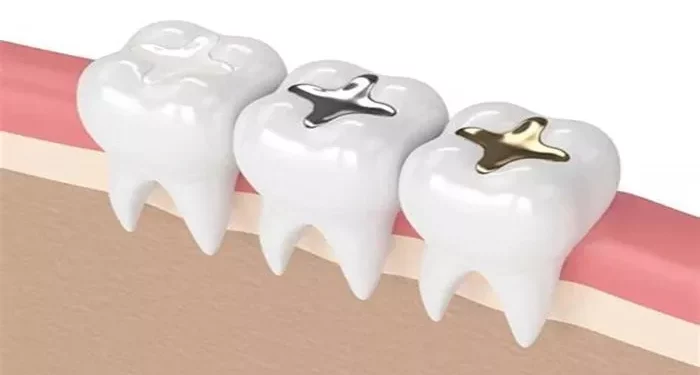
As a dental professional, I often encounter patients frustrated by fillings that have unexpectedly fallen out. A lost filling can be uncomfortable and concerning, leaving you wondering why it happened and how to prevent recurrence. While modern dental materials are durable, several factors can contribute to filling failure. This article explores the common reasons fillings become dislodged and provides practical advice for maintaining long-lasting dental restorations.
Common Causes of Filling Failure
Normal Wear and Tear Over Time
All dental materials have limitations:
- Average composite fillings last 7-10 years
- Amalgam fillings typically last 10-15 years
- Constant chewing forces cause fatigue
- Thermal changes from hot/cold foods create stress
New Decay Development Around Fillings
Secondary caries formation:
- Bacteria infiltrate microscopic gaps
- Acid weakens tooth-filling interface
- Often progresses painlessly
- Visible as darkening at filling edges
Technical Factors in Filling Loss
Bonding Process Challenges
Adhesion difficulties:
- Moisture contamination during placement
- Inadequate tooth surface preparation
- Improper curing light technique
- Insufficient isolation during procedure
Material-Specific Vulnerabilities
Unique characteristics:
- Composite: Polymerization shrinkage
- Amalgam: Slow initial set time
- Glass ionomer: Lower mechanical strength
- Gold: Requires precise tooth preparation
Patient-Related Contributing Factors
Excessive Biting Forces
Habits that stress fillings:
- Teeth grinding (bruxism)
- Nail biting or ice chewing
- Using teeth as tools
- Large fillings in load-bearing areas
Inadequate Oral Hygiene
Conditions promoting failure:
- Poor cleaning around restoration margins
- Infrequent flossing adjacent to fillings
- High sugar intake feeding bacteria
- Dry mouth reducing natural protection
Types of Fillings and Failure Patterns
Amalgam (Silver) Fillings
Traditional metal restorations:
- Often fail from tooth fracture rather than debonding
- Require mechanical undercuts for retention
- May last decades in low-stress areas
- Can weaken tooth structure over time
Composite (Tooth-Colored) Fillings
Modern resin materials:
- Bond chemically to tooth structure
- Prone to marginal breakdown over time
- Experience slight shrinkage during curing
- Require meticulous placement technique
Preventing Filling Dislodgement
Optimal Oral Care Practices
Daily maintenance essentials:
- Brush gently along filling edges
- Floss carefully around restorations
- Use fluoride toothpaste
- Rinse after acidic foods/drinks
Protective Dental Appliances
For high-risk patients:
- Custom night guards for grinders
- Occlusal splints to redistribute forces
- Sports mouthguards for athletes
- Bite adjustment for uneven contacts
When Replacement Becomes Necessary
Warning Signs of Impending Failure
Indicators to watch for:
- Visible cracks in the filling material
- Rough edges detectable by tongue
- New sensitivity to temperature changes
- Food consistently packing around restoration
Professional Evaluation Process
What dentists assess:
- Margin integrity with fine explorer
- Bite force distribution
- Radiographic evidence of recurrent decay
- Signs of material fatigue or wear
Advanced Restoration Options
When Standard Fillings Aren’t Enough
More durable alternatives:
- Porcelain inlays/onlays for larger cavities
- Full coverage crowns for extensively damaged teeth
- Gold restorations for heavy bite forces
- CAD/CAM fabricated ceramic restorations
Innovations in Filling Longevity
Emerging techniques:
- Layered composite application methods
- Improved dentin bonding systems
- Stress-reducing preparation designs
- Bioactive restorative materials
Immediate Steps After Filling Loss
Temporary Self-Care Measures
Protective actions:
- Rinse area gently with warm salt water
- Keep the space clean
- Avoid chewing on affected side
- Use temporary filling material if available
Importance of Prompt Professional Care
Reasons to seek quick treatment:
- Prevents further tooth damage
- Reduces risk of pulp infection
- Maintains proper tooth positioning
- Limits sensitivity and discomfort
Conclusion
Dental fillings may become dislodged due to a combination of material properties, oral habits, and the natural stresses of chewing. While no restoration lasts indefinitely, understanding why fillings fail helps us take proactive steps to extend their lifespan. Excellent oral hygiene, protective devices, and regular dental checkups can significantly reduce filling failures.
If you experience a lost filling, contact your dentist promptly for evaluation. Modern dental materials and techniques allow for more durable restorations than ever before. Your dentist can determine the cause of failure and recommend the most appropriate solution to restore your tooth’s function while minimizing future problems. With proper care and maintenance, your dental fillings can provide long-lasting service and protection for your natural tooth structure.
Related topic:
- What Are Dental Fillings Made Of?
- What Are Dental Fillings Used For?
- Can You Whiten Dental Fillings
Tags: teethtooth