


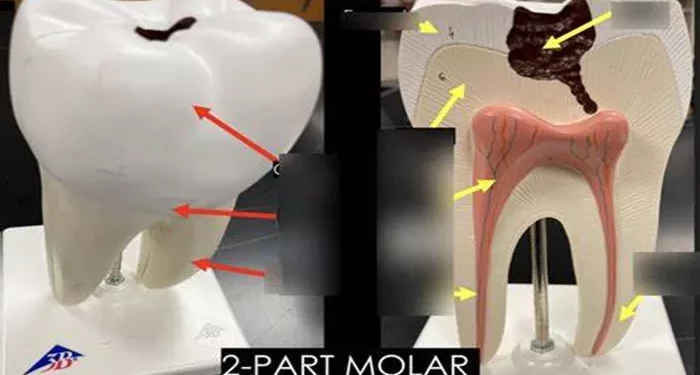
Molars, those large back teeth we use for chewing, are particularly vulnerable to cavities. As a dentist, I frequently see patients surprised to learn they have cavities in their molars despite having no pain or visible problems. Understanding why these teeth decay so easily can help you protect them better. This article explores the unique challenges molars face and how you can keep them healthy.
The Anatomy of Molars Makes Them Vulnerable
Complex Surface Structure
Molars have a dramatically different shape than other teeth:
- Multiple cusps and grooves create hiding spots for bacteria
- Deep fissures can be narrower than a single toothbrush bristle
- Irregular chewing surfaces trap food particles easily
- Hidden contact areas between teeth are hard to clean
Position in the Mouth
Location plays a significant role in cavity risk:
- Hard-to-reach area makes thorough cleaning difficult
- Chewing forces drive food into grooves
- Tongue doesn’t clean back teeth as effectively
- Cheek muscles make proper brushing angles challenging
Why Molars Develop Cavities So Easily
Plaque Accumulation in Hard-to-Clean Areas
The unique structure of molars promotes plaque buildup:
- Toothbrush bristles can’t penetrate deep fissures
- Floss can’t adequately clean uneven chewing surfaces
- Food debris becomes impacted in grooves
- Bacteria thrive in these protected areas
Delayed Detection of Problems
Several factors allow cavities to progress unnoticed:
- Early decay occurs where it can’t be seen
- Pain often doesn’t appear until damage is significant
- White spot lesions are hidden in grooves
- People rarely inspect their back teeth thoroughly
Additional Risk Factors for Molar Cavities
Timing of Tooth Eruption
Children’s molars face special challenges:
- First molars erupt around age 6 when oral hygiene skills are developing
- Second molars emerge around age 12 during busy preteen years
- Wisdom teeth often erupt partially or in difficult positions
Chewing Function and Wear
Constant use takes its toll:
- Heavy chewing forces can cause microscopic cracks
- Years of use wear down protective enamel
- Grinding habits accelerate enamel loss
- Existing fillings weaken tooth structure over time
Protecting Your Molars from Decay
Improved Cleaning Techniques
Special approaches for back teeth:
- Use small circular motions to clean grooves
- Angle bristles into the gumline
- Spend extra time on each molar
- Consider an electric toothbrush with a small head
The Critical Role of Dental Sealants
Professional protective measures:
- Plastic coatings fill deep grooves
- Applied quickly and painlessly
- Last several years with proper care
- Most effective when teeth first erupt
Dietary Adjustments for Molar Protection
Eating habits that help:
- Rinse with water after eating sticky foods
- Choose crunchy fruits/vegetables that clean teeth
- Limit sugary snacks between meals
- Avoid chewing hard objects that can damage enamel
Professional Care for Molar Health
Regular Dental Checkups
Why professional monitoring matters:
- Dentists can detect early decay you can’t see
- X-rays reveal problems between teeth
- Professional cleanings remove hardened plaque
- Fluoride treatments strengthen vulnerable areas
Restoration Options for Damaged Molars
When cavities do occur:
- Small cavities may need simple fillings
- Larger decay may require crowns
- Severely damaged molars might need extraction
- Early treatment prevents more extensive procedures
Special Considerations for Different Molars
First and Second Molars
Key differences:
- First molars erupt earlier and endure more wear
- Second molars are even harder to reach
- Both benefit greatly from sealants
- Proper care can preserve them for life
Wisdom Teeth Challenges
Unique problems with third molars:
- Often erupt at angles that trap food
- Extremely difficult to clean properly
- Frequently develop cavities quickly
- Many dentists recommend early removal
Conclusion
Molars face an uphill battle against cavities due to their complex anatomy, difficult-to-clean location, and heavy workload in chewing. However, with proper understanding of these challenges and implementation of targeted preventive strategies, you can significantly reduce your risk of molar cavities. Remember that these important teeth deserve extra attention in your daily oral care routine and regular professional checkups.
If you’re concerned about your molars or want to learn more about protective measures like sealants, schedule a consultation with your dentist. Taking proactive steps today can help preserve your molars’ health and function for years to come. Your future self will thank you for the investment in your back teeth’s wellbeing.
Related topic:
- Why Are Some People Prone To Tooth Decay?
- Periodic Washing of Teeth, Evacuation of Teeth
- Does Physicians Mutual Dental Insurance Cover Implants?
Tags: Dental Insuranceteethtooth