


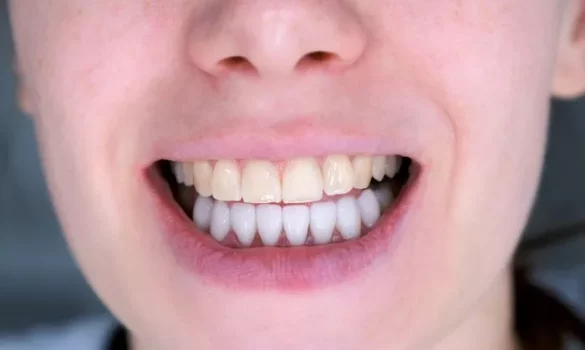
Have you ever noticed that your teeth appear more yellow when you’re out in the sun? You might be surprised to learn that this is a common phenomenon. While it can be a bit unsettling, the reason behind it is largely related to the way light interacts with your teeth. In this article, we will explore why your teeth look yellow in the sun, the factors that contribute to this effect, and how you can manage or prevent it from happening.
What Causes Teeth to Look Yellow in Sunlight?
When sunlight hits your teeth, it illuminates the surface and enhances the natural color of your enamel. Teeth appear white or slightly off-white under regular lighting, but the sun’s direct light can cause them to appear more yellow. This effect is mainly due to two factors: the transparency of enamel and the underlying color of your dentin.
1. Transparency of Tooth Enamel
The outer layer of your teeth, known as enamel, is naturally translucent. Enamel itself is not completely white but may have a slight yellowish hue depending on individual factors. When you’re outdoors in natural sunlight, the light shines through the enamel, which makes the underlying color of your teeth more visible.
2. The Role of Dentin
Beneath the enamel lies the dentin, which is naturally yellowish or brown in color. The thicker your enamel, the less visible the dentin is. However, when the enamel becomes thinner due to aging, enamel wear, or other factors, the dentin becomes more visible, contributing to the yellow appearance of your teeth under sunlight.
How Sunlight Affects the Perception of Yellow Teeth
When sunlight hits the enamel, the light penetrates the translucent surface and reflects off the yellowish dentin underneath. This is especially noticeable when the light is bright and intense, like during midday or on a sunny day. In addition, the angle of the sunlight can amplify the yellowing effect. The more direct the sunlight, the more pronounced the yellowing appearance may become.
1. Angle of Light
Sunlight that strikes your teeth at an angle tends to magnify the yellowish hue of your teeth. The sharper the angle, the more light reflects off the surface of your teeth, causing any discoloration to stand out.
2. The Intensity of Light
When the sun is high in the sky or you’re outdoors in bright, natural light, the intensity of sunlight can exacerbate the yellow appearance of your teeth. Bright light can enhance any existing discoloration, making it more noticeable than under indoor lighting or low-light conditions.
What Are the Common Causes of Yellow Teeth?
In addition to how sunlight affects the appearance of your teeth, it’s important to understand the common factors that contribute to yellow teeth. Several elements can influence the color of your teeth over time.
1. Poor Oral Hygiene
One of the primary causes of yellowing teeth is poor oral hygiene. When you fail to brush and floss regularly, plaque and tartar build up on your teeth, leading to staining. These stains can be more noticeable in bright sunlight, making your teeth appear yellow.
2. Tobacco Use
Smoking or chewing tobacco can cause severe staining on the teeth. The chemicals in tobacco stick to the enamel and gradually cause it to yellow. In sunlight, these stains can be more visible, further enhancing the yellow appearance of your teeth.
3. Diet and Beverages
Foods and drinks that are dark in color, such as coffee, tea, red wine, and certain fruits, can cause staining on your teeth.
These stains can become more noticeable when exposed to sunlight, especially if you don’t brush your teeth frequently or thoroughly.
4. Age
As we age, the enamel on our teeth naturally becomes thinner. This allows the dentin, which is yellow in color, to become more visible. This gradual change can cause your teeth to look more yellow in general, and the effect is more pronounced under bright sunlight.
Can Teeth Whitening Help?
If you’re self-conscious about the yellowish hue of your teeth, you may be wondering if teeth whitening can help. The good news is that teeth whitening can effectively lighten the enamel and remove surface stains. There are several options available for whitening your teeth, ranging from over-the-counter products to professional treatments.
1. Professional Teeth Whitening
Visiting your dentist for a professional whitening treatment is one of the most effective ways to whiten your teeth. These treatments use stronger bleaching agents than over-the-counter products and are tailored to your needs. Professional whitening can help remove deep stains and restore your teeth to their natural whiteness.
2. Over-the-Counter Teeth Whitening Products
For those who want a more affordable option, over-the-counter teeth whitening products such as strips, gels, and toothpaste can help remove surface stains and lighten the teeth. However, these products may take longer to show results and may not be as effective as professional treatments.
3. Natural Teeth Whitening Remedies
There are several natural remedies for whitening teeth, such as using baking soda or activated charcoal. However, it’s important to note that these methods may not be as effective as professional treatments, and overuse can sometimes damage the enamel.
How to Prevent Teeth from Looking Yellow in the Sun
While it may not be possible to completely prevent your teeth from appearing yellow in the sun, there are steps you can take to reduce the yellowing effect and keep your teeth healthy and bright.
1. Maintain Good Oral Hygiene
Brushing your teeth at least twice a day and flossing regularly helps prevent plaque buildup and removes surface stains.
Using a fluoride toothpaste can also help strengthen the enamel and reduce yellowing.
2. Avoid Tobacco and Staining Foods
Avoiding tobacco products and limiting your intake of staining foods and beverages can help keep your teeth looking whiter.
If you can’t avoid these foods, consider rinsing your mouth with water afterward to reduce the effects of staining.
3. Use a Whitening Toothpaste
Whitening toothpaste can help maintain the whiteness of your teeth and remove surface stains over time. While it won’t drastically whiten your teeth, it can help prevent yellowing due to food and drinks.
4. Visit Your Dentist Regularly
Regular dental check-ups and professional cleanings are essential for maintaining healthy teeth. Your dentist can remove plaque and tartar buildup that can cause yellowing, as well as provide professional whitening treatments if needed.
Conclusion
In conclusion, your teeth may appear yellow under the sun due to factors such as the transparency of enamel, the color of your dentin, and the way light interacts with your teeth. Sunlight can enhance the natural yellow hues of your teeth, but other factors such as poor oral hygiene, tobacco use, diet, and aging also contribute to yellowing. By maintaining good oral hygiene, avoiding staining foods, and considering teeth whitening options, you can help keep your teeth looking their best, both in the sun and under regular lighting.