


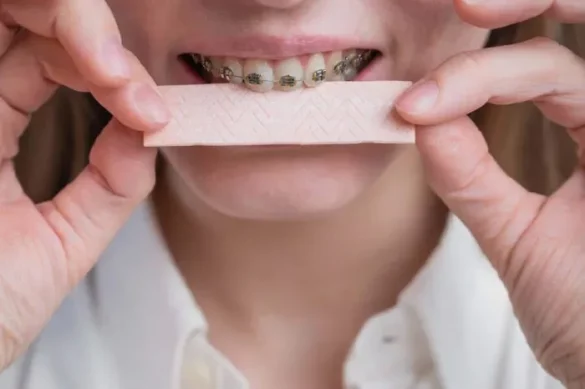
Many patients starting orthodontic treatment are curious whether chewing gum is safe while wearing braces. Though gum is a common treat and helps freshen breath, it can pose significant risks to your braces and oral health. Orthodontists generally advise caution, and understanding why gum is bad for braces can help you avoid problems and keep your treatment on track.
The Relationship Between Gum and Braces
Braces consist of brackets, wires, and sometimes bands, all designed to align your teeth over time. These appliances require careful maintenance. Gum, especially sticky or hard gum, can become stuck in the brackets and wires. This not only makes cleaning difficult but can also lead to mechanical damage. Any stress or accidental pulling on the wires can cause them to bend, loosen, or break, potentially delaying your treatment.
Risks of Chewing Gum With Braces
1. Damage to Braces and Appliances
Chewing gum can result in brackets coming loose or wires becoming bent or broken. Sticky gum may get wrapped around brackets or wires, and hard gum can snap them. If this happens, you might need additional orthodontic visits for emergency repairs. Broken braces can extend your treatment time and increase costs.
2. Increased Risk of Tooth Decay
Traditional gums contain sugar. Sugar acts as food for bacteria in your mouth, encouraging the growth of acids that erode tooth enamel. With braces, cleaning your teeth is already more of a challenge. Any residual sugar trapped around brackets and wires increases the likelihood of tooth decay and gum disease. Furthermore, the sticky nature of gum can trap food particles and contribute to the formation of plaque.
3. Plaque Build-Up and Gum Problems
The difficulty cleaning teeth with braces is aggravated by gum. When gum gets stuck in the appliances, it traps bacteria and food debris, allowing plaque to form more easily. Plaque is a film that covers your teeth, and if not removed, it can lead to cavities and inflamed gums. Prevention is key, and avoiding gum helps you maintain better overall oral hygiene.
4. Enamel Erosion
Chewing sugary gum gives bacteria a constant food source. The bacteria produce acids that wear away the protective enamel of your teeth. Enamel erosion can cause sensitivity, pain, and increase the risk of decay. With braces, your teeth are already working hard to adjust, so protecting the enamel is more important than ever.
Traditional View: Why Orthodontists Recommend Caution
Historically, the answer to the question “Can I chew gum with braces?” has been a firm no. Orthodontists wanted to protect the investment and avoid unnecessary complications. While some modern braces are more durable, the risk of damage from gum remains. Each instance of broken bracket or wire interrupts your treatment, requiring time, resources, and sometimes causing discomfort.
Types of Gum to Avoid With Braces
Not all gum is created equal, and it’s important to be selective if you are tempted. Here are types to avoid:
1. Sugary Gum
Sugar stimulates acid-producing bacteria, which damage your teeth, especially when cleaning is hindered by braces. Avoid all gums containing sugar to reduce your risk for cavities.
2. Sticky Gum
Super sticky gums easily wrap around wires and brackets. They can pull on the appliances, risk damaging them, and are very hard to clean from the mouth. Bubble gums often fall into this category.
3. Hard Gum
Hard gum can snap wires or crack brackets when chewed. They are often difficult to break down and may linger, increasing the risk of mechanical failure.
Are Sugar-Free Gums Safe for Braces?
Some orthodontists permit sugar-free gums in moderation. Sugar-free gum contains artificial sweeteners, such as xylitol, which do not feed bacteria. Xylitol is known to reduce the growth of cavity-causing bacteria and can offer oral health benefits. Chewing sugar-free gum may also stimulate saliva production, which helps neutralize acids and clean food particles from around braces.
However, even sugar-free gum can be sticky and put pressure on your appliances. It is important to check with your orthodontist before chewing gum. They can advise based on your specific treatment plan and the type of braces you have.
Best Practices If You Chew Gum With Braces
If you receive permission from your orthodontist to chew gum, use the following best practices:
1. Chew Gently
Aggressive chewing places stress on braces. If you must have gum, chew gently and avoid biting down hard. This reduces wear and tear on the devices.
2. Limit Chewing Time
Don’t chew gum for long periods. Briefly chewing gum after meals can help clean teeth, but constant chewing increases appliance risk and jaw fatigue. Ten to fifteen minutes at a time is enough.
3. Maintain Excellent Oral Hygiene
Brushing and flossing are even more important when chewing gum with braces. After gum chewing, clean your teeth carefully to remove any residue. Use floss threaders or interdental brushes to reach difficult spots.
What If Gum Gets Stuck in Your Braces?
Should gum get stuck, do not panic. Use a soft-bristled toothbrush or dental pick to gently remove it. Water flossers can be very effective. Never use sharp household objects, since they can scratch teeth or damage braces. If gum proves difficult to remove, contact your orthodontist for help.
Alternatives to Chewing Gum With Braces
There are safe choices to freshen your breath or satisfy the habit of chewing while wearing braces:
- Sugar-free mints: Provide freshness without the risk of sticking to your appliances.
- Fruits and vegetables: Crunchy produce like apples or carrots (cut into small pieces) gives a chewing sensation and benefits your health.
- Oral rinses/mouthwash: Clean your mouth and refresh breath without chewing.
- Breath sprays: Sugar-free options can freshen breath instantly.
- Drinking water: Regular sips cleanse your mouth and help keep teeth clean.
Special Considerations: When Not to Chew Gum
Avoid gum during these times:
- Immediately after getting braces or tightening them, when teeth and jaws are sensitive.
- If a bracket or wire is loose, broken, or uncomfortable.
- If you experience jaw pain or discomfort.
- If you have trouble keeping your teeth clean with braces.
Your orthodontist will advise specifically based on your needs and treatment progress.
Conclusion
Gum is often discouraged for people with braces due to its potential to harm appliances and your oral health. Sticky, sugary, and hard gums can damage brackets and wires, promote plaque, and make cleaning difficult. While sugar-free gum may offer certain benefits in moderation and under professional guidance, it is not risk-free. Always consult your orthodontist before chewing gum with braces and maintain strict oral hygiene to ensure successful treatment and a healthy smile.
FAQs
1. Can I chew any type of gum with braces?
It is safest to avoid gum, but if allowed by your orthodontist, choose sugar-free brands designed to be less sticky.
2. What should I do if my braces are damaged by gum?
Stop chewing immediately and contact your orthodontist for an evaluation and repair.
3. Can sugar-free gum prevent tooth decay with braces?
Sugar-free gum containing xylitol may reduce bacteria but should never replace brushing and flossing.
4. Are there alternatives to gum for fresh breath with braces?
Yes, try sugar-free mints, mouth rinses, breath sprays, and crunchy fruits or vegetables.
5. Why is oral hygiene more challenging with braces?
Braces trap food and plaque, making thorough cleaning more difficult and increasing the risk for decay and gum disease.