


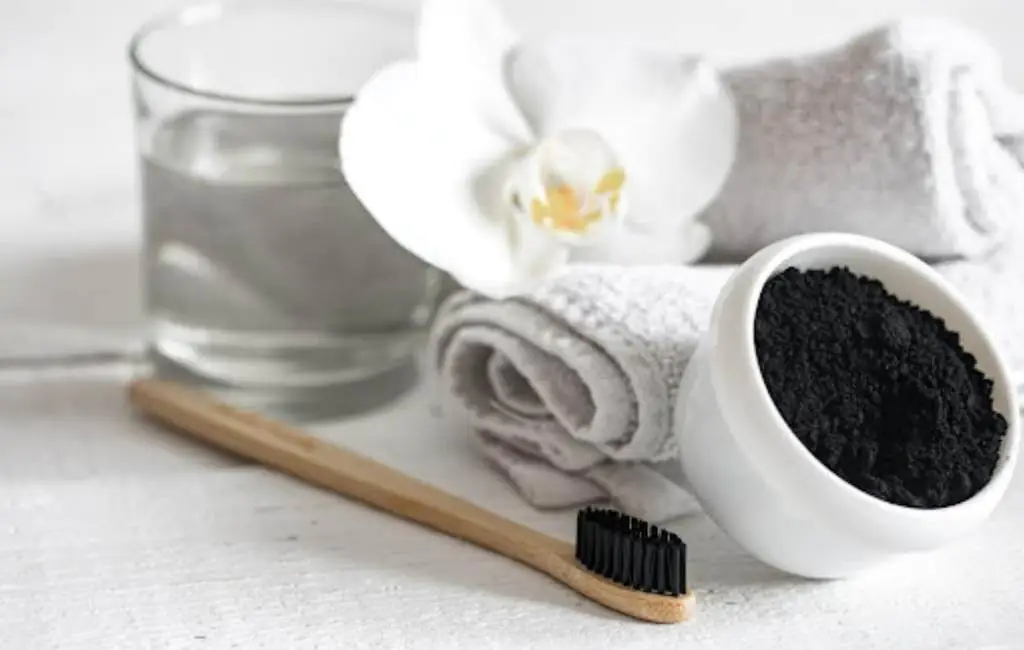
Scroll through social media, and you’ll likely see influencers and celebrities flashing bright smiles, crediting their pearly whites to a surprising product: black toothpaste. Charcoal toothpaste has surged in popularity across the US, promoted as a natural way to whiten teeth and detoxify the mouth. The bold claims and striking aesthetic have made it a must-try trend for many seeking a picture-perfect smile.
But what’s the real story behind this dental craze? Does charcoal toothpaste actually deliver on its promises, or is it just clever marketing? More importantly, is it safe for your teeth? This article breaks down the science, separates fact from fiction, and explains what you need to know before making the switch.
What is Charcoal Toothpaste?
Charcoal toothpaste is exactly what it sounds like: toothpaste infused with activated charcoal. This isn’t the same charcoal you use for a barbecue. Activated charcoal is a fine-grain powder made from materials like coconut shells or wood, which is heated to extremely high temperatures to make it highly porous.
This porosity is what gives activated charcoal its key property: absorption. Unlike absorption, where one substance is dissolved into another, adsorption allows particles to bind to a surface. In theory, the activated charcoal in toothpaste acts like a magnet, attracting and binding to surface stains, tartar, and bacteria on your teeth, which are then rinsed away. Its rise to fame has been fueled by its “all-natural” branding, making it an appealing alternative to conventional whitening products.
Does Charcoal Toothpaste Actually Work?
This is the million-dollar question. While marketing campaigns showcase dramatic before-and-after photos, the scientific evidence supporting these claims is limited.
The effectiveness of charcoal toothpaste is mostly restricted to extrinsic stains, which are surface-level stains caused by things like coffee, tea, red wine, and smoking. The mildly abrasive texture of the charcoal can scrub away some of this surface discoloration, giving the temporary appearance of a brighter smile.
However, it does not change the natural, intrinsic color of your teeth. Deeper stains, or discoloration caused by genetics, age, or medication, are beyond the reach of charcoal toothpaste. For that, you would need professional whitening treatments that use bleaching agents like hydrogen peroxide to penetrate the tooth’s enamel.
The American Dental Association (ADA) has not awarded its Seal of Acceptance to any charcoal toothpaste products. This is mainly due to the lack of sufficient clinical evidence to prove their safety and effectiveness. Most of the hype is driven by anecdotal reports and marketing rather than robust scientific studies.
The Potential Benefits of Charcoal Toothpaste
Despite the lack of strong scientific backing, some users do report positive experiences. The potential benefits, though often temporary, include:
- Removal of Surface Stains: As mentioned, its abrasive nature can help polish the teeth and lift minor, fresh stains.
- Fresher Breath: Activated charcoal can adsorb some of the bacteria and compounds that cause bad breath, leaving your mouth feeling cleaner.
- A “Natural” Alternative: For those looking to avoid chemical whitening agents, charcoal toothpaste presents itself as a more natural option, which is a major part of its appeal.
Charcoal Toothpaste Side Effects and Risks
Before you decide to try it, it’s crucial to understand the potential downsides. The very properties that make charcoal toothpaste seem effective can also pose risks to your long-term dental health.
Here are the most significant charcoal toothpaste side effects:
- It’s Abrasive: Most charcoal toothpastes are more abrasive than regular toothpaste. Over time, this abrasiveness can wear down your tooth enamel—the hard, protective outer layer of your teeth. Once enamel is gone, it doesn’t grow back. Thinner enamel can lead to increased tooth sensitivity and make your teeth appear more yellow as the underlying dentin layer becomes more visible.
- Gum Irritation: The abrasive particles can also irritate your gums, leading to recession and sensitivity.
- No Fluoride: Many popular charcoal toothpaste brands do not contain fluoride, a mineral that is essential for strengthening enamel and preventing cavities. By using a non-fluoridated toothpaste, you could be increasing your risk of tooth decay.
- Staining Dental Work: While it may lift stains from natural teeth, charcoal can have the opposite effect on dental restorations. The charcoal particles can accumulate in the small crevices of crowns, veneers, and fillings, causing them to stain and become discolored.
Is It Safe for Daily Use?
Given the risks, most dentists do not recommend using charcoal toothpaste daily or for long periods. The potential for enamel erosion and the common lack of fluoride make it a poor substitute for your regular toothpaste.
Occasional use for a short period might be less harmful, but the risk-to-benefit ratio is still questionable. If you’re determined to try it, it’s best to alternate with a fluoride toothpaste and use it gently to minimize abrasion. Better yet, consult your dentist first.
Dentist-Approved Whitening Alternatives
If a brighter smile is your goal, there are several safer and more effective options that are backed by scientific evidence and approved by dental professionals.
- Whitening Toothpastes with the ADA Seal: Look for whitening toothpastes that have the American Dental Association Seal of Acceptance. These products contain gentle polishing agents and fluoride to safely remove surface stains while protecting your teeth from cavities.
- Professional Whitening Treatments: In-office whitening supervised by a dentist is the fastest and most effective way to whiten your teeth. Dentists use stronger, professionally formulated bleaching agents that can safely and dramatically lighten the shade of your teeth.
- At-Home Whitening Kits: Your dentist can provide custom-fitted trays and professional-grade whitening gel for you to use at home. Over-the-counter options like whitening strips are also effective for many people, though they may not produce the same results as professional treatments.
The Final Verdict on Charcoal Toothpaste
While charcoal toothpaste may offer a temporary fix for minor surface stains, its benefits are largely outweighed by the potential risks. Enamel erosion, increased sensitivity, and a higher risk of cavities are serious concerns that shouldn’t be ignored for a trend.
Your dental health is a long-term investment. Instead of relying on products promoted on social media, stick to proven methods for a healthy, bright smile. If you’re interested in whitening your teeth, the safest first step is to talk to a professional.Ready to explore safe and effective whitening options? Schedule a consultation with our dental team today to find the best solution for your smile.
Frequently Asked Questions
What is charcoal toothpaste used for?
Charcoal toothpaste is primarily marketed as a natural product for whitening teeth. It claims to work by using activated charcoal to adsorb and remove surface stains from teeth, as well as detoxify the mouth and freshen breath.
Does charcoal toothpaste whiten teeth permanently?
No, charcoal toothpaste does not whiten teeth permanently. It can only remove extrinsic (surface) stains and does not change the intrinsic color of your teeth. Any whitening effect is temporary and will fade as new stains accumulate.
Can charcoal toothpaste damage enamel?
Yes, it can. Many charcoal toothpastes are highly abrasive and can wear down tooth enamel over time with regular use. Damaged enamel is permanent and can lead to tooth sensitivity and an increased risk of cavities.
Is charcoal toothpaste safe for kids?
Dentists generally do not recommend charcoal toothpaste for children. Kids’ teeth have softer enamel than adult teeth, making them more susceptible to abrasion. Furthermore, many charcoal toothpastes lack fluoride, which is crucial for protecting developing teeth from decay.