


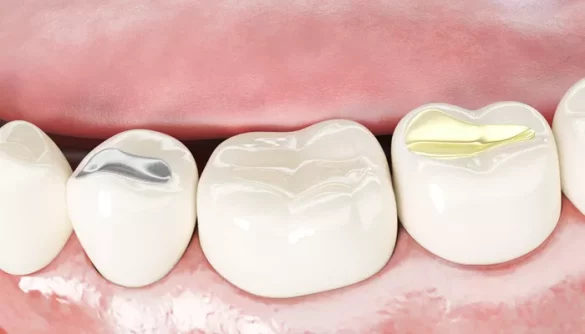
Many people notice changes in their dental fillings over time. One common concern is a yellow or discolored filling.
Understanding the reasons behind this change is important for maintaining oral health. In this article, we explore the causes of yellow tooth fillings, prevention methods, and treatment options. We will also discuss related dental issues, including Sensitive Teeth and Gum Disease.
Understanding Tooth Fillings
Tooth fillings are dental restorations used to repair cavities and prevent further decay. Fillings are made from materials such as composite resin, amalgam, glass ionomer, or porcelain. Each material has different properties and reacts differently to time, food, and oral hygiene. Composite resin fillings are popular due to their tooth-colored appearance but may be prone to yellowing over time.
Types of Fillings
Composite Resin: Tooth-colored and aesthetic but can stain from food and drink.
Amalgam: Silver-colored, durable, and less likely to yellow but can corrode.
Glass Ionomer: Releases fluoride but is less durable and may discolor.
Porcelain: Strong and resistant to staining but more expensive.
Common Causes of Yellow Tooth Fillings
1. Staining from Food and Drink
Colored foods and beverages like coffee, tea, red wine, curry, and tomato sauce can stain composite fillings. Over time, pigments can penetrate the surface, causing yellowing. Even natural aging of teeth can make fillings appear darker or yellow.
2. Poor Oral Hygiene
Inadequate brushing and flossing allow plaque and tartar buildup around fillings. Plaque contains bacteria that produce acids, leading to staining and decay. Regular dental cleanings help remove these deposits and maintain the natural color of fillings.
3. Aging of Fillings
All dental materials age over time. Composite resin fillings may lose their gloss and color due to wear and chemical changes. Older fillings may absorb pigments from food and drinks more easily than newer ones.
4. Smoking and Tobacco Use
Tobacco products contain nicotine and tar, which can stain both teeth and fillings. Smokers often experience yellow or brown discoloration on their teeth and composite fillings. Reducing or quitting smoking helps maintain dental aesthetics.
5. Dental Materials and Quality
Not all composite fillings are made equally. Lower-quality materials may be more porous and prone to discoloration. The dentist’s technique in placing and curing the filling also affects its longevity and resistance to staining.
Health-Related Causes
1. Enamel Wear
Tooth enamel naturally wears down with age. As enamel thins, the underlying dentin, which is naturally yellow, becomes more visible. This can make fillings appear yellow, even if the filling itself has not changed color.
2. Gum Disease
Gum Disease can affect the tissues around fillings. Inflammation may cause gums to recede, exposing more of the tooth and its underlying dentin. This exposure can make the filling look yellow in contrast.
3. Tooth Decay Around Fillings
Decay can develop around existing fillings. This is often seen as dark or yellow discoloration around the edges of the filling. It may also cause Sensitive Teeth or discomfort, signaling the need for dental evaluation and possible replacement.
Identifying Yellow Filling Problems
Signs You Should Consult a Dentist
- Yellow or darkened fillings that stand out from surrounding teeth.
- Sensitive Teeth when eating hot, cold, or sweet foods.
- Visible plaque buildup around the filling.
- Gum redness, swelling, or bleeding near the filling.
- Discomfort or pain when chewing.
Preventing Yellowing of Fillings
1. Maintain Good Oral Hygiene
Brush teeth at least twice daily using a soft-bristled toothbrush and fluoride toothpaste. Floss daily to remove plaque between teeth. Regular dental check-ups help prevent staining and catch early signs of decay.
2. Limit Staining Foods and Drinks
Reduce consumption of coffee, tea, red wine, and heavily pigmented foods. Rinse your mouth with water after consuming these substances to minimize staining.
3. Avoid Tobacco Products
Smoking and chewing tobacco significantly increase the risk of yellowing fillings. Avoiding these products improves both dental health and overall wellness.
4. Consider Professional Whitening Carefully
Professional whitening can lighten natural teeth, but it may not change the color of old fillings. Discuss with your dentist before attempting whitening treatments to avoid uneven tooth color.
Treatment Options for Yellow Fillings
1. Polishing and Cleaning
Professional dental cleaning can remove surface stains and restore some shine to composite fillings. This is often the first step before considering replacement.
2. Replacing Old Fillings
If the yellowing is deep or combined with decay, the dentist may recommend replacing the filling. Modern composite materials are more stain-resistant and can match the natural tooth color better.
3. Veneers or Crowns
For severely discolored teeth or fillings, veneers or crowns may provide a long-term solution. These restorations cover the tooth surface and can restore a natural, white appearance.
Special Considerations for Sensitive Teeth
Yellow fillings can sometimes contribute to Sensitive Teeth, especially if decay is present or the filling has worn down. Using toothpaste designed for sensitivity and avoiding extreme temperatures can help. Always consult your dentist if sensitivity persists.
Conclusion
Yellow tooth fillings are a common dental concern caused by staining, aging, decay, or gum issues. Maintaining good oral hygiene, reducing staining foods, avoiding tobacco, and regular dental visits are key to preventing discoloration. If yellowing persists, professional cleaning, filling replacement, or restorative options like veneers may be necessary. Monitoring for Sensitive Teeth and Gum Disease ensures that your dental health remains optimal.