


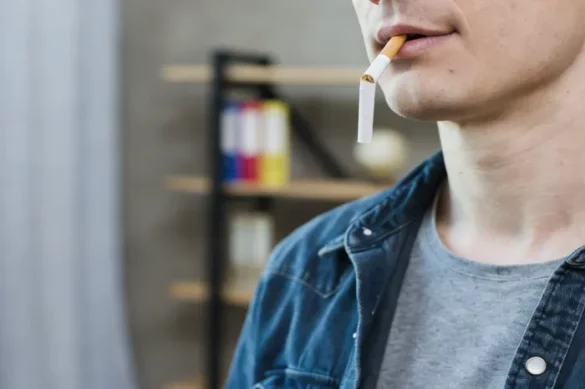
The period following wisdom teeth removal is crucial for proper healing, comfort, and preventing complications. For individuals who smoke, the question of when or if it is safe to resume smoking after oral surgery is both common and important. Dental experts overwhelmingly advise patients not to smoke during the initial healing phase because of the significant harm it can cause. Understanding the risks and reasons for abstaining from smoking post-extraction is essential for anyone seeking a smooth and pain-free recovery.
Why Is Healing After wisdom teeth removal Important?
When a wisdom tooth is removed, your body immediately starts the healing process. The most critical part of early recovery is the formation of a blood clot at the extraction site. This clot protects the underlying bone and nerves, acts as a shield against bacteria, and forms a foundation for new tissue growth. Disturbing this blood clot can lead to a painful condition and delay healing. Protecting the clot, therefore, is your primary concern after surgery.
What Happens to Your Mouth When You Smoke After Surgery?
Smoking affects the healing process in several dangerous ways:
1. Suction Risk
Smoking involves inhaling, which creates strong suction inside your mouth. This suction can dislodge the vital blood clot from the extraction site. When the clot is lost, the bone and nerves are exposed, leading to severe pain and complications called dry socket.
2. Chemicals and Irritants
Cigarette smoke contains thousands of chemicals. Many of these irritate the gums and the open extraction site. These toxins increase inflammation, slow down healing, and raise the risk of infection.
3. Nicotine Effects
Nicotine causes blood vessels to shrink. Reduced blood flow means less oxygen reaches the healing tissues. This makes it harder for your gum and bone to recover and creates an environment where bacteria can grow more easily.
What Is Dry Socket and Why Is It So Serious?
Dry socket, or alveolar osteitis, occurs when the blood clot is lost too early after wisdom tooth removal. Without a clot, the nerve and bone remain exposed in the mouth. This causes intense pain that can radiate to your ear, jaw, or neck. Patients often experience a bad taste or odor and may see an empty-looking hole where the tooth was removed.
Dry socket is much more likely to occur in smokers. Treatment for dry socket usually involves special dressings, pain relief medications, and more frequent dental visits. It can delay healing significantly and may lead to infection or the need for further intervention.
How Long Should You Wait Before Smoking After wisdom teeth removal?
Dental professionals recommend avoiding all forms of smoking—including cigarettes, cigars, vapes, and hookah—for at least 72 hours after surgery. The first three days are when your body works hardest to form the protective blood clot. The longer you can abstain, the lower your risk for complications. Some dentists advise waiting a full week for optimal healing.
If quitting smoking is difficult, it is important to speak with your oral surgeon or dentist prior to surgery. They can recommend nicotine replacement options such as patches, distraction techniques, or support programs to help manage cravings and keep you smoke-free during recovery.
Are Vaping or Smoking Alternatives Safe After Tooth Removal?
Many people believe vaping is a safer option than traditional smoking. However, vaping also poses risks after wisdom teeth removal. The suction from vaping devices can remove the blood clot, and many e-liquids contain nicotine that limits blood flow. In summary, no form of smoking or nicotine use should be considered safe while your extraction site is healing.
What Can You Do to Promote Healing?
To protect your mouth and encourage smooth recovery after wisdom teeth removal, follow these basic guidelines:
- Adhere strictly to your dentist’s post-op instructions at all times.
- Avoid any suction in your mouth. Don’t use straws or smoke.
- Eat only soft, cool foods for the first days. Examples include yogurt, mashed potatoes, and smoothies.
- Keep your mouth clean but avoid vigorous rinsing the first day.
- Rest and limit physical activity for a few days.
- Attend all scheduled follow-up appointments to monitor healing.
Managing Nicotine Cravings During Recovery
If you are a regular smoker concerned about cravings, plan ahead:
- Consider nicotine patches, which deliver nicotine without the oral suction and do not interfere directly with the wound.
- Avoid nicotine gum or chews, as the chewing action can stress your healing site.
- Practice distraction, like keeping your mind occupied with new activities or counting milestones in your recovery.
- Seek support from friends, family, or a formal cessation program if needed.
Common Myths About Smoking After Wisdom Teeth Removal
Some myths persist about ways to smoke “safely” after oral surgery, but dental experts agree these are false:
- Gauze placed over the extraction site does not protect against suction or smoke damage and does not prevent dry socket.
- Smoking “just one cigarette” can still disrupt the blood clot and slow healing.
- Smoking with a straw, or using any substitute for direct suction, poses the same risks.
- Only total abstinence from smoking ensures the extraction site heals properly.
Signs of Problems After wisdom teeth removal
It is important to know the warning signs of complications so you can seek help early. Contact your dentist or oral surgeon if you experience any of the following:
- Severe, uncontrolled pain at the extraction site
- Pain that spreads to the ear, jaw, neck, or head
- Persistent bleeding or swelling
- Bad taste or foul odor coming from the mouth
- Visible opening or empty-looking socket
Prompt intervention can prevent further issues and improve your recovery process.
Frequently Asked Questions
Can I smoke if I use gauze or other protective measures?
No, placing gauze or other barriers does not protect the socket from the suction and chemical risks of smoking.
What is the absolute minimum time I should wait before smoking?
Most dentists agree you should wait at least 72 hours after wisdom tooth removal before considering smoking, but longer is always better.
Is vaping or using a hookah safer than smoking after wisdom teeth extraction?
No, all forms of inhaled nicotine create suction and can dislodge the protective blood clot, increasing the risk of complications.
What alternatives can help manage cravings?
Nicotine patches are the most recommended option for smokers after oral surgery. Avoid gums, chews, or anything that requires sucking or chewing.
What should I do if I develop severe pain or notice a bad odor after wisdom teeth removal?
Contact your oral surgeon or dentist as soon as possible. These symptoms may indicate dry socket or infection and need prompt treatment.
Conclusion
In summary, smoking after wisdom teeth removal is not safe and carries a high risk for issues such as dry socket, infection, and delayed recovery. All forms of smoking—including traditional cigarettes and vaping—should be avoided for at least 72 hours, and if possible, for a full week after oral surgery. Protecting the blood clot and following your dentist’s recommendations is essential for pain-free healing and long-term oral health. If you struggle with quitting, consult your healthcare provider for support and alternatives. Your future health may depend on the decisions you make today about your recovery.