


Choosing to replace a missing tooth with a dental implant is a major decision, and understanding the cost of this procedure can be confusing for many patients. The expense for a single tooth dental implant can vary widely based on a range of factors, from geographical location to insurance coverage. This article aims to help readers clearly understand the average costs, what is involved in each step of the process, and how insurance can affect out-of-pocket expenses.
What Is a Dental Implant?
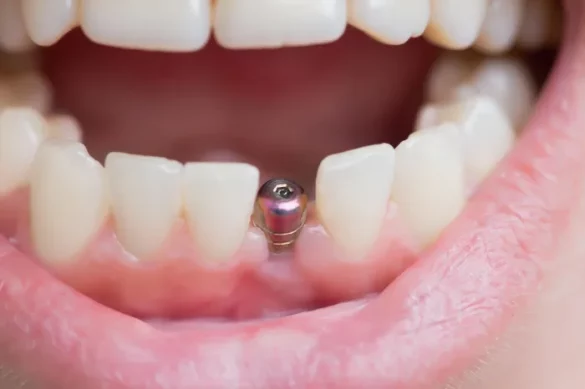
A dental implant is a permanent solution to replace a missing tooth. It consists of three main parts: the implant post (surgically placed in the jawbone), the abutment (which connects the post to the crown), and the dental crown (the visible part that looks like a natural tooth). Dental implants are popular due to their durability and natural appearance, and they help maintain oral health by keeping surrounding teeth in place.
Average Cost of a Single Tooth Dental Implant in 2025
In 2025, the cost for one dental implant in the United States typically ranges from $3,000 to $5,000. This price usually includes several components:
cost breakdown
- consultation: $100 to $200
- implant placement surgery: $1,500 to $2,000
- abutment placement: $300 to $500
- crown placement: $1,000 to $2,000
However, some additional procedures might not be included in this range:
- bone grafting: $200 to $3,000 (if the bone is not thick enough to support the implant)
- tooth extractions: $75 to $650 per tooth (if the old tooth needs to be removed)
- X-rays or CT scans: $25 to $250 (for diagnosis and planning)
The final cost can increase if you need any of these extra procedures. Always ask your dentist for a detailed estimate before treatment begins.
Factors That Impact the Total Cost
Several elements can influence the final cost of your dental implant. Understanding these can help you anticipate costs and budget more effectively.
Geographic Location
Prices may vary significantly by region. Urban areas with higher living costs often have higher dental fees, while rural areas may offer lower prices.
Dentist’s Experience and Expertise
More experienced and specialized dentists often charge higher fees for their services. Their skill and reputation can sometimes justify the higher cost.
Type and Brand of Implant
Not all implants are the same. High-quality, trusted brands and materials tend to be more expensive. The long-term performance and durability of the implant are important considerations.
Additional Procedures
Sometimes, pre-implant treatments are required. Bone grafts, sinus lifts, or other preparatory procedures can add hundreds or even thousands of dollars to the overall cost.
Materials Used for the Crown
The crown can be made from porcelain, zirconia, or other materials. Each type impacts the price. Porcelain and zirconia are more aesthetic and durable, but usually cost more.
Surgical Complexity
The placement of the dental implant depends on location and your oral health. Complex cases may require more expertise and time, influencing the cost.
Laboratory Fees
Custom crowns and abutments are made in dental labs. These laboratory fees are part of the final bill.
Insurance Coverage
Whether or not your insurance covers implants can greatly change your out-of-pocket cost. Insurance plans vary widely in their coverage.
Dental Insurance and Implants
dental insurance typically only covers a part of the implant cost, if at all. Here is what you need to know about how insurance might help:
How Insurance May Cover Implants
- Some insurance plans may pay for a percentage (such as 50%) once you meet their deductible.
- Plans might cover parts of the process (like the crown or abutment) and exclude the surgery itself.
- Most plans set annual maximum benefits, usually from $1,000 to $2,000 per year for all dental work—not just implants.
- Waiting periods of 6-12 months may exist before coverage begins for major procedures.
Restrictions and Clauses
- Pre-existing conditions (such as teeth lost before insurance began) may not be covered. This is known as the missing tooth clause.
- Employer-sponsored group plans often have better coverage and terms compared to individual dental plans.
- Senior-focused and supplemental dental plans may offer more generous implant coverage than standard plans.
Example of Potential insurance coverage
If you have dental insurance, your coverage might look like:
- consultation and X-rays: 80% to 100% covered
- Implant Surgery: 50% covered
- Abutment and Crown: 50% covered
- bone grafting: Sometimes not covered, or only partially
Steps to Check Your Coverage
- Review your dental plan’s policy booklet or contact the insurance provider.
- Ask your dentist for pre-treatment estimates and submit them to your insurer for pre-authorization.
- Talk with your dental office for help in managing claims and authorizations.
Tips to Manage and Reduce Costs
There are several ways patients can lower expenses or make the procedure more affordable:
Use In-Network Providers
Dentists who are part of your insurance’s network usually cost less than those who are out-of-network. Always check with your insurer for approved providers.
Maximize Supplemental Policies
Some people purchase supplemental dental insurance for expanded coverage. This can offset costs not covered by primary insurance.
Utilize Tax-Advantaged Accounts
Using a Flexible Spending Account (FSA) or Health Savings Account (HSA) can reduce your overall expenses, as money used for dental care through these accounts is pre-tax.
Timing Your Treatments
If your insurance has an annual maximum, you can split parts of the procedure between policy years. This can help you get the most from your yearly benefits.
Negotiate Payment Plans
Many dentists offer financing options, payment plans, or discounts for upfront payment. Ask about what is available at your dental office.
Keep Accurate Records
Document all treatments, payments, and insurance communications so that you have a clear understanding of what has been done and what is still owed.
Is a dental implant Worth the Investment?
While the cost for a dental implant may seem high, it can be a wise long-term investment for your oral health. Unlike bridges or dentures, implants do not affect neighboring teeth and can last for decades with proper care. Implants help maintain jawbone health and restore your ability to eat, speak, and smile comfortably.
FAQs
How long does a dental implant last?
With good oral hygiene, dental implants can last 20 years or longer.
Does dental insurance cover implants for one tooth?
Most dental insurance plans only cover a portion of the implant cost. Some plans may exclude implants entirely, so check your policy specifics.
Are there low-cost alternatives to dental implants?
Bridges and dentures are less expensive solutions. However, they may not offer the same durability or function as implants.
What happens if I need extra procedures like bone grafting?
Additional treatments can increase your total cost. Always ask your dentist for a full breakdown before starting treatment.
Can I finance my dental implant?
Many dental offices offer payment plans or work with financing companies to help patients cover the cost over time.
Conclusion
The cost of a single dental implant for one tooth varies between $3,000 and $5,000, with possible additional costs for preparatory procedures or advanced care. Factors such as where you live, your dentist’s expertise, the type of implant, and insurance coverage all play a role in determining the final expense. dental insurance may help offset some costs, but most patients pay a significant portion out of pocket. It’s crucial to understand each step and associated fee before proceeding, and to consult your insurance policy, dentist, and financial options thoroughly. By planning ahead and making informed choices, you can achieve the best dental outcome and manage your budget effectively.