


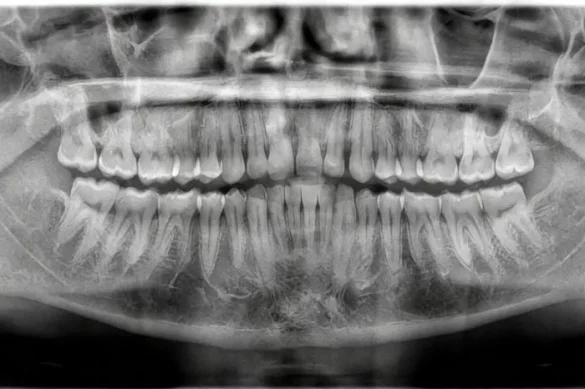
Tooth decay and cavities are among the most common dental problems faced by people in Nigeria today. When untreated, these issues can lead to pain, infection, and even tooth loss. tooth filling is one of the quickest and most effective solutions to restore a damaged or decayed tooth. Many people wonder how much it costs to fill a tooth in Nigeria, especially as dental health awareness continues to grow across the country.
Understanding Tooth Filling
A tooth filling is a procedure where a dentist removes decayed tooth material and fills the cavity with a suitable material. This helps restore the tooth’s normal shape and function. Tooth fillings stop further decay and keep your teeth healthy and strong. In Nigeria, dental fillings are usually done with modern materials by trained professionals, making the process safe and reliable.
Why You May Need a Tooth Filling
Dental cavities often start small and may not cause pain at first. Over time, they get bigger and affect deeper layers of your teeth. Tooth fillings are essential for:
- Repairing cavities caused by tooth decay
- Fixing chipped or broken teeth
- Preventing future decay in the affected area
- Restoring chewing function and maintaining oral health
Ignoring a cavity can lead to the need for more complex treatments, such as root canal therapy or even tooth extraction, which are more expensive and time-consuming.
Factors Influencing the Cost of Tooth Filling in Nigeria
The cost to fill a tooth in Nigeria depends on several factors, including:
1. Type of Dental Clinic
Larger, well-established clinics in major cities like Lagos and Abuja may charge more for their services than clinics in smaller towns. This is often due to higher overhead costs, investment in modern technology, and staff expertise.
2. Location
Dental services are usually more expensive in urban areas than in rural settings. Clinics located in high-traffic areas or commercial centers have higher operating costs that may reflect in their pricing.
3. Type of Filling Material
Dentists in Nigeria use a variety of filling materials. Common types include composite resin (tooth-colored), amalgam (silver-colored), and glass ionomer. Composite resins often cost more due to their aesthetic appeal and durability.
4. Extent of Tooth Damage
If the decay is minor, filling is simple and less expensive. However, when a cavity is deep or covers a large area, more material and dentist’s time are needed, which drives up the cost.
5. Dentist’s Experience
Highly experienced dentists or specialists in prosthodontics may charge more for their expertise. This can ensure a higher quality outcome and longer-lasting filling, which may reduce the need for future repairs.
Average Price Range for Tooth Filling in Nigeria
At reputable clinics such as TeethMinder dental clinic in Lagos, the cost for a tooth filling starts from approximately ₦44,800 and can be as high as ₦64,800 per tooth. These prices often cover the cost of materials and the dentist’s time. However, prices vary across clinics and regions. At clinics with less modern facilities or in less populated locations, you may find fillings for slightly lower prices.
It is important to note that these prices are only for the filling itself. First-time patients are usually required to register and undergo a consultation and full-mouth X-ray. For instance, TeethMinder dental clinic charges ₦10,000 for initial registration and examination.
What Is Included in the Tooth Filling Cost?
The quoted price for tooth filling generally covers:
- Examination of the affected tooth
- Removal of decayed tissue
- Cleaning of the cavity
- Application of the filling material
- Shaping and polishing of the filling
Additional costs may include diagnostic X-rays or the fee for initial consultation, especially for new patients.
Additional Costs to Consider
- Registration and consultation: Most clinics require you to pay a one-time registration fee, often including a full-mouth X-ray and dentist consultation.
- Post-Treatment Medication: Occasionally, the dentist may recommend pain relievers or antibiotics after the procedure.
- Follow-Up Visits: If you experience discomfort or symptoms persist, you may need to visit the clinic again, which could add to the total cost.
Why Tooth Fillings Are Worth the Investment
Preventing complications by filling a cavity early is almost always cheaper and less painful than waiting until major intervention is needed. Untreated cavities can lead to root canal treatment, which may range from ₦82,000 to ₦150,000 per tooth, or even tooth extraction costing between ₦40,000 and ₦69,600. Dental implants and crowns are much more expensive, often running into several hundred thousand or even over a million naira per tooth.
How to Ensure Quality and Affordability
Compare Clinics
Before making your appointment, compare multiple dental clinics in your area. Look for reviews, ask about their dentists’ qualifications, and request a clear quote.
Ask About Materials and Techniques
Your dentist should explain the type of filling material to be used and why it is suited for your case. Choosing the right material can help maintain the natural look and function of your teeth.
Consider Accessibility and Aftercare
Choose clinics that are easy to reach for follow-up visits, and ensure the staff communicate aftercare steps clearly. Good aftercare reduces complications and strengthens your investment in dental health.
Is There Insurance Coverage for Tooth Fillings in Nigeria?
While some health insurance plans in Nigeria may partly cover dental treatments, many only provide partial or limited benefits. It’s important to check with your insurance company about what is included in your dental coverage.
Alternatives to tooth filling Costs
If you are unable to pay for a tooth filling upfront, some clinics offer payment plans or installment options. Discuss with your dentist to see if such arrangements are possible. Delaying treatment can cost you more in the long run through advanced dental decay and more complex procedures.
Prevention is Key
The most cost-effective way to avoid tooth fillings is to prevent cavities before they start. Proper dental hygiene, regular checkups, and a healthy diet significantly reduce the risk of decay. Early diagnosis means less expensive treatments.
Frequently Asked Questions (FAQs)
What is the average price for a tooth filling in Nigeria?
The cost usually falls between ₦44,800 and ₦64,800 per tooth at major dental clinics. Prices may be lower at smaller clinics depending on location and facilities.
Are there payment plans if I cannot afford dental filling right away?
Some clinics provide installment payment options. Ask your dentist for available payment arrangements.
Does health insurance cover dental filling costs?
Coverage depends on your insurance plan. Some plans include partial dental care, but it is best to confirm with your provider.
What other dental treatments may be needed if I delay filling a cavity?
If you delay treatment, you may need a root canal, extraction, or more advanced procedures, which are considerably more expensive.
Conclusion
The cost to fill a tooth in Nigeria typically ranges from ₦44,800 to ₦64,800 per tooth at reputable clinics, with possible additional fees for consultation, X-rays, and aftercare. Prices vary depending on location, the experience of the dentist, and the material used for the filling. It is crucial for patients to prioritize quality, ensure clear communication with their dentist, and not delay treatment to avoid higher future expenses. Regular checkups and good oral hygiene habits remain the best way to minimize dental costs over time.