


Gum disease, also known as periodontal disease, is a widespread condition impacting adults globally. It primarily targets the gums, causing inflammation, bleeding, and in severe cases, bone loss around the teeth or dental implants. Managing and preventing gum disease starts at home, with careful oral hygiene and the use of an effective toothpaste tailored to gum health. But with countless choices on the shelf, what is the best toothpaste for gum disease, and how can you ensure your toothpaste delivers real benefits for your gums?
Understanding Gum Disease: Gingivitis and Periodontitis
Gum disease develops in stages. The early stage, gingivitis, shows up as swollen, red, and bleeding gums. It is usually caused by plaque buildup—a sticky film of harmful bacteria. If left untreated, gingivitis can progress to periodontitis, a more severe form that damages the bone and tissues supporting teeth. Periodontitis can lead to tooth loss and is often more difficult to treat. Good oral hygiene, including the right toothpaste, can help prevent this progression.
Why Toothpaste Matters for Gum Disease
Toothpaste is more than just a product for fresh breath or white teeth. For those at risk of gum disease, the right toothpaste offers targeted benefits:
- Reduces harmful bacteria: Specialized toothpastes contain ingredients that actively fight the bacteria causing gum inflammation.
- Removes stubborn plaque: These toothpastes help break down plaque build-up that irritates the gums and leads to infection.
- Protects tooth enamel: Ingredients like stannous fluoride not only fight bacteria but also strengthen teeth and protect enamel.
- Soothes and heals gum tissue: Some formulas contain soothing agents to calm inflammation and support healing.
- Counters tooth sensitivity: Toothpaste for sensitive gums often includes potassium nitrate to ease sensitivity—a common symptom of periodontitis.
Essential Ingredients for Gum Health Toothpaste
Experts recommend looking for certain ingredients proven to support healthy gums:
Stannous Fluoride
This form of fluoride offers more than cavity prevention; it fights bacteria, reduces gum bleeding, and calms inflammation. Stannous fluoride is often the top recommendation for those with gum disease.
Zinc Citrate
Zinc acts as an antibacterial agent, reducing plaque and tartar buildup around the gums.
Essential Oils and Natural Extracts
Ingredients like eucalyptus, tea tree oil, or aloe vera help reduce inflammation and soothe irritated gums.
Potassium Nitrate
For individuals with gum recession or sensitivity, potassium nitrate helps to reduce discomfort while supporting gum health.
Hydrated Silica and Calcium Carbonate
These mild abrasive agents help remove plaque gently without damaging the enamel or aggravating sensitive gum tissue.
ADA Approval
Always check for an ADA (American Dental Association) seal. It ensures the toothpaste meets safety and efficacy standards.
What Toothpaste Should Avoid if You Have Gum Disease
Not all toothpastes are appropriate for individuals with gum or periodontal problems. Some common ingredients and products to avoid include:
- Highly abrasive whitening formulas: These can wear down gum tissue and enamel, increasing sensitivity and irritation.
- Charcoal-based toothpaste: Its abrasiveness may harm enamel and worsen gum issues.
- Harsh detergents, like sodium lauryl sulfate: For already sensitive gums, these can increase irritation.
Best Practices: How to Choose Toothpaste for Gum Disease
Selecting the right product depends on your oral health status, sensitivity issues, and whether you have dental implants. Here’s what you need to consider:
1. Identify Your Oral Health Needs
Are you experiencing gum recession, bleeding, or tenderness? Do you have dental implants sensitive to inflammation? Choosing toothpaste that addresses these symptoms is crucial.
2. Focus on Anti-Gingivitis and Anti-Plaque Formulas
Toothpastes labelled for gum health usually include stannous fluoride, zinc citrate, or natural antibacterials. These are formulated specifically to reduce inflammation and support healing.
3. Consider Sensitivity and Irritation
People with sensitive gums or teeth should choose non-abrasive, gentle toothpastes with added soothing ingredients.
4. Check for ADA Seal
The ADA seal confirms the product has undergone testing for safety and effectiveness in treating gingivitis and gum disease.
5. Ask Your Dentist
For persistent or severe gum disease, consult your dentist. They may recommend prescription-strength products or a particular brand based on your needs.
Recommended Toothpastes for Gum Disease
Numerous brands offer products targeted for gum disease. Dental professionals frequently recommend the following:
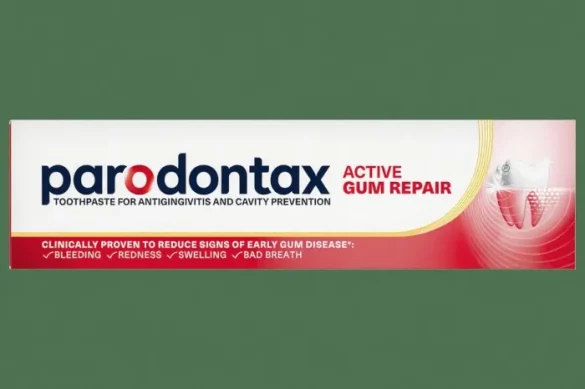
- Parodontax: Specially designed for bleeding gums and gingivitis, Parodontax contains stannous fluoride and powerful anti-bacterial agents.
- Crest Gum Detoxify: Combines stannous fluoride and foam-activating formulas to penetrate difficult gum pockets and reduce bacteria.
- Sensodyne Sensitivity & Gum: Dual-action formula that alleviates sensitive teeth while improving gum health.
- Colgate Total: Offers comprehensive protection against bacteria with stannous fluoride and zinc citrate.
These products are widely available and recognized for their ability to strengthen gums, calm inflammation, and reduce plaque.
Toothpaste for Gum Disease and Dental Implants
Individuals with dental implants need to select toothpastes that are gentle yet effective against bacteria. Abrasive toothpastes can damage the soft tissue seal around implants, risking inflammation or peri-implantitis. Opt for non-abrasive, ADA-approved formulas with stannous fluoride for maximum protection.
Supporting Gum Health Outside Toothpaste
Toothpaste is a key part of gum health, but it must be combined with:
- Brushing twice daily using a soft-bristle or electric toothbrush.
- Daily flossing to remove plaque between teeth.
- Regular dental checkups and cleanings to monitor gum and bone health.
- A balanced diet low in sugar and processed foods.
Poor oral hygiene, tobacco use, hormone changes, certain medications, and stress can all increase susceptibility to gum disease. Protecting your gums means caring for your whole lifestyle, not just choosing the right toothpaste.
Conclusion
Gum disease can be prevented and even reversed in its early stages by combining good oral hygiene, healthy habits, and the right toothpaste. Select a toothpaste containing proven ingredients like stannous fluoride and zinc citrate, check for ADA approval, and consider recommendations from dental professionals. Avoid abrasive formulas if you have sensitive gums, and tailor your choice to your specific oral health needs. With a comprehensive approach, you can maintain healthy gums, reduce your risk of tooth loss, and promote overall well-being.
FAQs
What causes gum disease?
Gum disease starts when plaque—a film of bacteria—builds up around teeth and gums. It leads to inflammation (gingivitis) and can progress to periodontitis if untreated.
Can toothpaste cure gum disease?
Toothpaste cannot cure advanced gum disease but is effective in preventing and treating early-stage gum problems. Combining it with brushing, flossing, and professional cleanings is essential.
Which ingredients should I look for in toothpaste for gum disease?
Look for stannous fluoride, zinc citrate, potassium nitrate, and natural anti-inflammatory agents like aloe vera or tea tree oil.
Are whitening toothpastes good for gum disease?
Whitening toothpastes can be overly abrasive for sensitive gums. For gum health, choose products targeted for gingivitis and gentle on gum tissue.
Should I consult my dentist before choosing toothpaste for gum disease?
Yes, always seek your dentist’s advice if you are experiencing gum symptoms, as they can recommend the best product and treatment plan for your needs.