


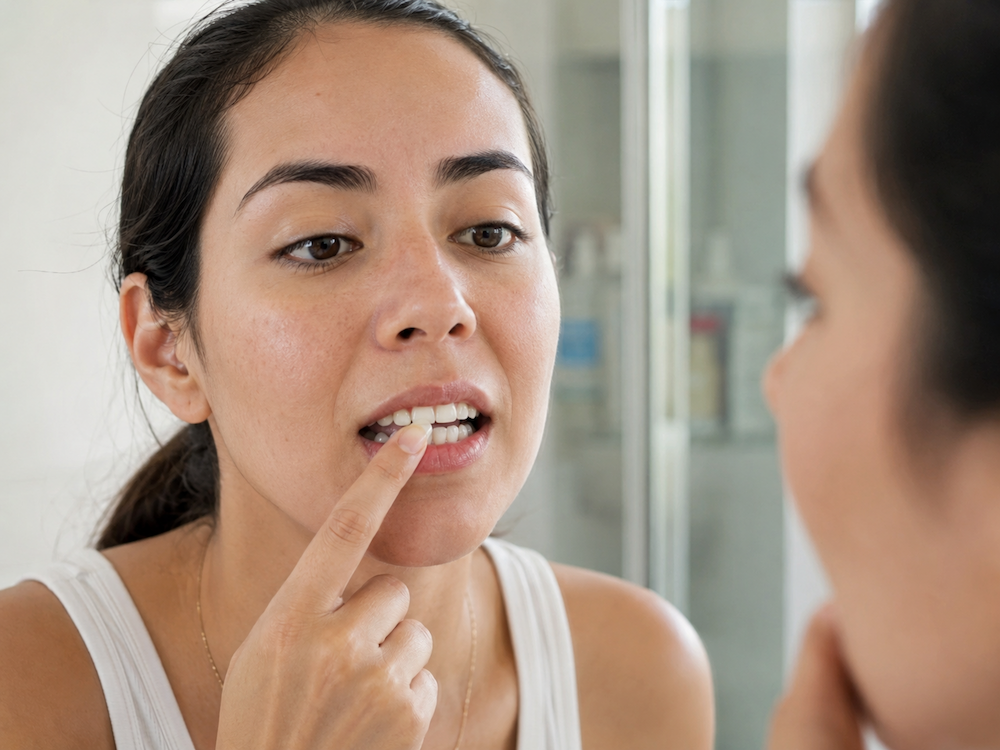
Teeth Feel Loose After Braces: Should You Be Worried?
When your teeth feel loose after braces, the sensation can be alarming. You may worry that orthodontic treatment has weakened your teeth or damaged their roots.
Fortunately, mild movement is often a normal part of orthodontic treatment. Teeth do not sit rigidly inside the jawbone. Instead, flexible tissues connect each tooth to the surrounding bone.
Braces and clear aligners use this natural system to move teeth. They apply light, controlled pressure over time. As a result, the bone and supporting tissues gradually adapt.
Therefore, a small increase in tooth mobility does not always mean something is wrong. In many cases, it shows that the teeth are responding to treatment.
However, not every loose tooth should be ignored. Strong movement, worsening pain, bleeding gums, or swelling may indicate another problem. Gum disease, poor oral hygiene, dental trauma, or excessive pressure may require professional attention.
This guide explains why teeth move, what normal mobility feels like, and when you should contact your orthodontist.
Teeth Are Not Fixed Directly to the Jawbone
Many people imagine that each tooth is firmly fused to the jawbone. However, teeth are not attached to bone like screws in a wall.
A thin layer of soft connective tissue surrounds each tooth root. Dentists call this tissue the periodontal ligament.
The periodontal ligament performs several important jobs:
- It connects the tooth root to the surrounding bone.
- It absorbs pressure when you chew.
- It contains nerves and blood vessels.
- It allows a small amount of natural tooth movement.
- It helps the body respond to orthodontic pressure.
You can think of this ligament as a tiny suspension system. It cushions the tooth instead of holding it completely still.
Therefore, even healthy teeth have slight physiological mobility. Most people cannot notice it during daily life. However, orthodontic pressure may make that movement easier to feel.
The American Association of Orthodontists explains that the periodontal ligament allows braces and aligners to move teeth safely through the bone over time.
How Braces Move Teeth
Orthodontic appliances do not simply push teeth through solid bone. Instead, they trigger a controlled biological response.
First, a bracket, wire, elastic, or aligner places gentle pressure on a tooth. That pressure affects the periodontal ligament around the root.
Then, the body begins remodeling the nearby bone:
- On the pressure side, bone is gradually removed.
- On the opposite side, new bone begins to form.
- The periodontal ligament reorganizes around the new position.
- The tooth slowly moves through the jaw.
This process takes time. That is why safe orthodontic treatment usually progresses in small stages.
In addition, teeth may feel tender after an adjustment. The periodontal ligament becomes compressed on one side and stretched on the other.
The American Association of Orthodontists describes this as bone remodeling. Bone breaks down on one side of the tooth, while new bone develops on the other side.
Therefore, movement during orthodontic treatment is not accidental. It is the purpose of the treatment.
Is It Normal for Teeth to Feel Loose During Braces?
Yes, mild tooth mobility can occur while braces or aligners move your teeth. In most healthy patients, this movement is temporary and controlled.
You may notice that:
- A tooth moves slightly when touched with your tongue.
- Biting feels different after an adjustment.
- Certain teeth feel more sensitive than others.
- The sensation increases for several days after a new wire.
- One tooth feels less stable while changing position.
These signs may occur because the supporting bone is being remodeled. Meanwhile, the periodontal ligament is adapting to the pressure.
However, you should not repeatedly push or wiggle the tooth. Constant testing can irritate the tissues and increase anxiety.
Instead, observe how the tooth feels during normal chewing and brushing. Mild mobility without severe pain often settles as treatment progresses.
Still, your orthodontist should monitor your teeth, gums, roots, and bone during treatment. Professional checks help confirm that movement remains within a safe range.
A very loose tooth is not something to diagnose at home.
Why Some Teeth Feel Looser Than Others
Orthodontic treatment rarely moves every tooth in the same way at the same time. Therefore, one tooth may feel more mobile than its neighbors.
Several factors can explain this difference:
- The tooth may be moving a greater distance.
- It may be rotating into a new position.
- The orthodontist may be correcting its angle.
- The tooth may receive pressure from an elastic.
- Its root shape may differ from nearby roots.
- The surrounding bone may have a different thickness.
- The tooth may contact the opposite arch too early.
For example, a crowded front tooth may need rotation and forward movement. As a result, it may feel more mobile during that stage.
Likewise, a tooth that receives direct force from an elastic may feel tender or slightly loose.
However, stronger mobility may also come from gum inflammation or bone loss. Therefore, comparison alone cannot confirm that the movement is harmless.
Tell your orthodontist which tooth feels different. They can examine the bite, gum tissue, appliance, and supporting structures.
Why Teeth May Feel Loose Just After Braces Come Off
The day your braces come off feels like the end of treatment. Biologically, however, the supporting tissues still need time to adapt.
After active tooth movement stops:
- The periodontal ligament begins reorganizing.
- New bone continues to mature.
- Gum fibers adjust around the teeth.
- The bite settles into its new relationship.
- The teeth remain vulnerable to unwanted movement.
Therefore, your teeth may feel slightly mobile soon after appliance removal. This feeling does not automatically mean that the treatment failed.
However, the teeth need support during this transition. That is why your orthodontist provides retainers.
Retainers do not usually continue the main tooth-moving process. Instead, they help maintain the corrected positions while the surrounding tissues stabilize.
The British Orthodontic Society states that retainers are fitted after braces are removed. Their purpose is to reduce the chance of orthodontic relapse.
Consequently, retainer wear forms an essential part of treatment rather than an optional extra.
The Role of Retainers After Orthodontic Treatment
Retainers protect the result created by braces or aligners. Without them, teeth can gradually move toward their previous positions.
Your orthodontist may recommend:
- A clear removable retainer
- A Hawley wire retainer
- A fixed retainer bonded behind the teeth
- A combination of fixed and removable retainers
The correct schedule varies between patients. Some people start with full-time wear. Others may begin with nighttime wear. Your orthodontist will choose a plan based on your bite, tooth movement, age, and relapse risk.
Therefore, do not rely on a universal rule such as “wear it full time for exactly six months.” Your own instructions matter more.
In addition, many people need long-term nighttime retention. Teeth can shift throughout life because of aging, bite forces, gum changes, and natural movement.
The American Association of Orthodontists notes that retainers preserve tooth positions after active orthodontic treatment.
So, keep wearing your retainer exactly as prescribed, even when the teeth already look straight.
When Loose Teeth May Signal Gum Disease
Orthodontic movement usually causes controlled, temporary mobility. Periodontal disease causes mobility for a very different reason.
Periodontitis is a serious infection of the tissues that support the teeth. Over time, inflammation can damage the periodontal ligament and destroy the surrounding bone.
As bone support decreases, teeth may become increasingly mobile.
Possible warning signs include:
- Bleeding during brushing or flossing
- Red or swollen gums
- Gum recession
- Persistent bad breath
- Pus around the gumline
- Pain when chewing
- New spaces between teeth
- Teeth that appear longer
- Mobility that continues to worsen
Braces do not directly create periodontitis. However, brackets and wires can make plaque removal more difficult.
For this reason, orthodontic treatment requires excellent oral hygiene. The NHS notes that treatment may increase the risk of decay and gum problems when oral hygiene is poor.
Therefore, clean around every bracket carefully. Also, continue regular dental checkups during orthodontic treatment.
Does Orthodontic Treatment Permanently Weaken Teeth?
Properly planned orthodontic treatment should not make healthy teeth permanently loose.
A qualified orthodontic professional evaluates several factors before and during treatment:
- Gum condition
- Bone support
- Root shape
- Tooth position
- Bite forces
- Oral hygiene
- Medical history
- Previous dental treatment
The orthodontist then selects an appropriate appliance and force level.
Light, controlled pressure allows the periodontal tissues to adapt. In contrast, excessive or poorly controlled force may increase the risk of unwanted effects.
Orthodontic treatment also carries other possible risks. These can include gum problems, enamel damage, relapse, and changes to tooth roots. Your dentist or orthodontist should explain risks that apply to your case.
Still, most patients complete treatment without losing healthy teeth.
The greater day-to-day threat often comes from plaque around the appliance. Braces can trap food and make brushing harder. Consequently, poor cleaning may lead to gum inflammation or tooth decay.
Thus, the appliance itself is not the whole story. Safe treatment also depends on hygiene, monitoring, and patient cooperation.
Signs That Need an Orthodontic Check
Mild tenderness or mobility may be normal. However, certain symptoms deserve prompt professional assessment.
Contact your orthodontist or dentist when:
- A tooth suddenly becomes much looser.
- Mobility continues to increase.
- You have severe or persistent pain.
- The gums become very red or swollen.
- The gums bleed heavily.
- Pus appears near a tooth.
- You develop fever or facial swelling.
- A tooth changes color after trauma.
- You cannot bite normally.
- A bracket, wire, or retainer feels broken.
- Your fixed retainer has detached.
- A removable retainer no longer fits.
You should also seek advice when pain lasts longer than expected after an adjustment. The NHS advises contacting an orthodontist if teeth remain painful for more than a few days or if the gums become very red, swollen, or painful.
Do not wait for the next routine appointment when symptoms seem severe.
Early assessment may prevent a small issue from becoming a larger problem.
How to Protect Your Teeth During Braces
Good daily care helps the teeth move safely while protecting the gums and enamel.
Follow these practical steps:
- Brush after meals when possible.
- Clean carefully above and below each bracket.
- Use fluoride toothpaste.
- Clean between the teeth every day.
- Use an interdental brush around wires.
- Avoid repeatedly wiggling mobile teeth.
- Limit hard and sticky foods.
- Do not bite pens, ice, or fingernails.
- Wear an orthodontic mouthguard during contact sports.
- Attend every orthodontic adjustment.
- Keep regular appointments with your general dentist.
- Report unusual mobility, pain, or swelling.
In addition, follow dietary advice from your orthodontist. A broken appliance can apply pressure in the wrong direction or delay treatment.
If your gums bleed, do not simply stop cleaning the area. Gentle and thorough plaque removal often helps mild inflammation. However, ongoing bleeding needs professional evaluation.
Hospital orthodontic guidance emphasizes that braces make cleaning more challenging. Good hygiene remains essential for preventing decay, staining, and gum disease.
Orthodontic Treatment Costs at Huangshan Dental
The cost of orthodontic treatment depends on the appliance, treatment complexity, and expected treatment time. At Huangshan Dental, patients can choose from traditional self-ligating braces and several clear aligner systems.
Traditional braces may suit patients who need reliable control over complex tooth movement. Meanwhile, clear aligners offer a removable and less noticeable option. They are often preferred by adults who want to maintain a natural appearance during treatment.
The following prices provide a general reference for orthodontic treatment at Huangshan Dental:
| Orthodontic Service | Price (RMB) |
|---|---|
| Self-Ligating Metal Braces | 11,000 |
| Angelalign Comfos Clear Aligners | 18,999 |
| Angelalign Standard Clear Aligners | 24,999 |
| Invisalign Comprehensive | 36,800 |
Self-ligating metal braces are a practical choice for patients who value effective treatment and affordability. They use specialized brackets that hold the orthodontic wire without traditional elastic ties. Therefore, they may make cleaning and routine adjustments more convenient.
Angelalign Comfos provides an entry-level clear aligner option for suitable orthodontic cases. In comparison, Angelalign Standard offers a more comprehensive treatment plan for patients who require additional tooth movement.
Invisalign Comprehensive is designed for patients with more complex alignment or bite concerns. It may include a wider range of treatment features and refinements based on the orthodontist’s assessment.
However, the final treatment fee may vary according to:
- The severity of crowding or bite problems
- The length of orthodontic treatment
- The number of aligners or refinements required
- Whether tooth extraction or additional procedures are needed
- The patient’s gum, bone, and overall dental health
Before treatment begins, the orthodontic team at Huangshan Dental will examine the teeth, gums, bite, and jaw relationship. Digital scans, photographs, and dental X-rays may also be used to create a personalized treatment plan.
Choosing an orthodontic appliance should not depend on price alone. The most suitable option should provide safe tooth movement, predictable results, and long-term bite stability. Therefore, patients should discuss their goals, lifestyle, and budget with an experienced orthodontist before making a decision.
Common Myths About Loose Teeth and Braces
Several myths can make patients unnecessarily afraid of orthodontic treatment.
Myth 1: Any tooth movement means the tooth is damaged.
Healthy teeth naturally have slight mobility. Orthodontic treatment may temporarily increase it.
Myth 2: Braces pull teeth out of the jaw.
Braces use controlled pressure to stimulate bone remodeling. They do not simply drag teeth through unchanged bone.
Myth 3: Teeth become permanently weak after braces.
Supporting tissues usually adapt and stabilize after active movement. Retainers help maintain the new positions.
Myth 4: Retainers are needed only for a few months.
Relapse risk continues over time. Many patients need long-term retention.
Myth 5: Straight teeth cannot develop gum disease.
Any teeth can develop gum disease when plaque remains around the gumline.
Myth 6: Bleeding gums are normal with braces.
Braces may make cleaning harder, but ongoing bleeding often signals inflammation.
Understanding these differences can reduce fear. More importantly, it helps patients recognize symptoms that deserve professional care.
Frequently Asked Questions
Can I wiggle a loose tooth during braces?
No. Avoid testing it repeatedly. Frequent pushing may irritate the periodontal tissues.
Will a slightly loose tooth become stable again?
In many cases, yes. As movement slows, bone and periodontal tissues continue to adapt.
Can a tooth fall out during normal orthodontic treatment?
This would be highly unusual in a healthy, properly monitored mouth. Severe gum disease or other dental problems can change the risk.
Why does my bite feel strange after an adjustment?
Teeth move at different speeds. Therefore, temporary bite changes can occur during treatment.
Should I stop wearing my retainer if a tooth feels loose?
Do not change the schedule on your own. Contact your orthodontist for individual advice.
Can adults have more tooth mobility during treatment?
Adults can receive orthodontic treatment successfully. However, gum and bone health require careful evaluation.
Does bleeding mean my braces are too tight?
Not usually. Bleeding more often relates to gum inflammation, plaque, or irritation. A dental professional should examine persistent bleeding.
Final Summary
When your teeth feel loose after braces, mild mobility may be part of the normal biological process that allows orthodontic movement.
Braces and aligners apply controlled pressure. The periodontal ligament responds, and the surrounding bone remodels. During this stage, some teeth may feel tender or slightly mobile.
After treatment, retainers help hold the teeth while the tissues continue adapting. However, retainer schedules differ. Follow the plan provided by your orthodontist.
More noticeable or worsening mobility needs attention. This is especially important when you also have bleeding gums, swelling, persistent pain, bad breath, gum recession, or difficulty biting.
In many cases, gum disease presents a greater threat to tooth stability than properly supervised orthodontic treatment. Therefore, excellent hygiene remains essential before, during, and after braces.
Brush thoroughly, clean between the teeth, attend regular appointments, and report unusual symptoms early.
Orthodontic treatment should move teeth, not permanently weaken them. With careful planning, healthy gums, controlled force, and consistent retention, the teeth can settle into their new positions and remain stable for years.