


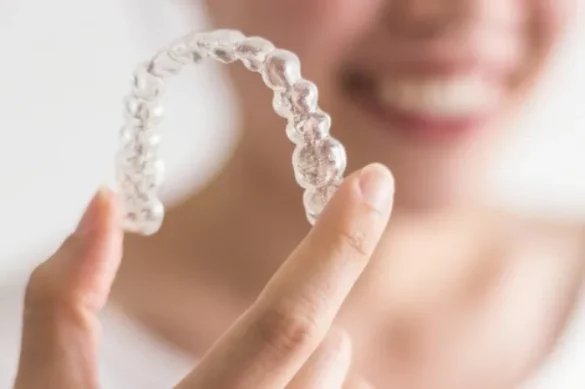
If you have recently completed orthodontic treatment and your braces have been removed, you may be wondering how long you should keep wearing your retainer. This question is important because a retainer plays a vital role in keeping your new smile straight. While braces move your teeth into their ideal position, retainers help maintain those results and prevent any unwanted shifting. Understanding the right wear schedule for your retainer ensures your orthodontic investment lasts a lifetime.
Why Retainers Are Necessary After Braces
Once the braces come off, your teeth are not yet permanently fixed in their new positions. The bones and tissues surrounding them need time to adapt to the adjustment. If you stop using your retainer too soon, your teeth may start shifting back to their original places. This phenomenon is known as orthodontic relapse. Retainers hold your teeth in their corrected alignment as your jawbone and gums stabilize. Without this retention period, all the effort invested in braces can be undone with even minor tooth movements.
Types of Retainers: Removable and Fixed
Removable Retainers
Removable retainers are popular because they can be taken out for eating, brushing, and flossing. The most common removable options include:
- Hawley retainers: Made with metal wires and acrylic material, these are durable and adjustable.
- Essix retainers: Clear plastic trays that fit snugly over your teeth and are barely noticeable.
- Clear retainers: Virtually invisible, these are favored for their subtle appearance.
- Invisalign aligners: Though typically associated with teeth straightening, they also serve as effective clear retainers.
Fixed Retainers
Fixed retainers, also called permanent or bonded retainers, consist of a thin wire attached to the back of your teeth. They stay in place indefinitely and are especially common on the lower teeth, which tend to move more as you age. Unlike removable retainers, fixed retainers require regular cleaning and maintenance, but they provide continuous support to keep your teeth straight.
How Long to Wear Your Retainer After Braces
Immediate Post-Braces Phase
Most orthodontists recommend wearing your retainer full-time for the first 3 to 6 months after your braces are removed. This means wearing the retainer all day and night, only taking it out for eating and cleaning. During this phase, your teeth are most vulnerable to shifting. Adhering to this full-time schedule is critical for success.
Transition to Nighttime Wear
After the initial retention period, your orthodontist will likely advise you to transition to nighttime wear. This means you wear your retainer each night while you sleep. Nighttime wear should continue for several years, and many experts recommend wearing a retainer at night for life. This long-term commitment is the best way to ensure your teeth remain straight in the future.
Lifelong Retention
Teeth naturally tend to move with age, even years after braces. Because of these changes, most orthodontists encourage lifelong nighttime retainer use. Failing to wear your retainer periodically can lead to crowding or misalignment, which may require additional orthodontic treatment. Even if your teeth feel stable, occasional nighttime retainer wear remains an important part of smile maintenance.
What Influences the Length and Frequency of Retainer Wear?
Each person’s orthodontic case is unique. Some people have teeth that remain stable after a period of wearing a retainer, while others experience relapse even years later. Factors that influence retainer wear include:
- The type of dental problem corrected
- Age and bone density
- Personal habits (such as teeth grinding)
- Changes in overall health
- The tendency of teeth to shift with age
Your orthodontist will consider all these variables to customize your retainer schedule.
Risks of Stopping Retainer Use Too Soon
If you discontinue wearing your retainer too early, your smile might not stay perfect. Tooth movement can begin within days or weeks, initially causing mild tightness in your retainer and eventually leading to crowded, misaligned teeth. In some cases, significant movement may require new orthodontic work to correct the changes. To protect your orthodontic results, maintain a regular retainer regimen for as long as your dentist recommends.
Caring for Your Retainer
Taking proper care of your retainer helps maintain its effectiveness and longevity. For removable retainers, clean them daily with warm (not hot) water. Avoid using toothpaste, which can scratch the surface. Rinse the retainer every time you remove it from your mouth and give it a gentle scrub using a dishwashing liquid and a soft-bristled brush once a week. Never eat or drink anything except water while wearing a removable retainer, as food and beverages can stain or warp the material. If your retainer breaks or gets lost, contact your orthodontist for a replacement as soon as possible.
Fixed retainers require special flossing techniques to remove plaque and food debris around the wire. Your orthodontist can recommend tools like floss threaders or interdental brushes to help keep your fixed retainer and the teeth around it clean.
Common Questions About Retainer Wear
Do I need to wear my retainer forever?
In many cases, yes. Teeth continue to shift with age, and lifelong nighttime retainer wear is the best way to protect your straight smile.
Can I reduce the frequency of retainer use as time goes on?
After the first year, you may be able to switch to wearing your retainer several nights a week instead of nightly. However, this depends on how stable your teeth are. Always consult your orthodontist before changing your retainer schedule.
What happens if I skip wearing my retainer for a few nights?
You may notice your retainer feels tight when you put it back in. If so, wear it continuously for 24 hours before returning to nighttime use. If the retainer no longer fits, schedule a visit with your orthodontist.
Are permanent retainers better than removable ones?
Both have advantages. Permanent retainers offer continuous support without having to remember daily wear, but they require diligent cleaning. Removable retainers are easier to clean but need consistent use for best results. Your orthodontist will recommend the best solution based on your needs.
Conclusion
Wearing your retainer after braces is an essential part of your orthodontic journey. The most effective retention plan begins with full-time wear for several months, followed by lifelong nighttime use. This helps keep your teeth straight and protects your investment in braces. Factors such as age, type of dental problem, and personal habits affect how long you need to wear your retainer, so always follow your orthodontist’s recommendations. Proper retainer care also ensures the best results for your smile.
FAQs
How long should I wear my retainer after braces?
Most patients should wear their retainer full-time for the first 3 to 6 months, then at night for life. Your orthodontist will adjust the schedule based on your individual case.
What if my retainer breaks or is lost?
Contact your orthodontist right away for a replacement. Continuing retainer use prevents unwanted tooth movement.
Do retainers cause discomfort?
Some mild discomfort is normal at first, but this usually goes away as you get used to your retainer. If discomfort persists, consult your orthodontist.
Can I eat with my retainer in?
No. Always remove your retainer before eating to prevent damage and maintain cleanliness.
Is it ever safe to stop wearing my retainer completely?
Only your orthodontist can determine if your teeth are stable enough to stop retainer use. For most patients, lifelong nighttime wear remains the best insurance for a perfect smile.