


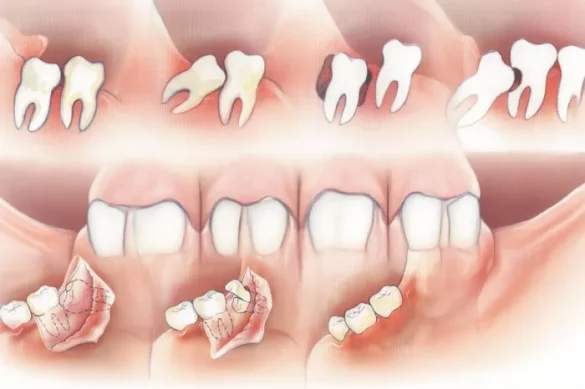
Jaw stiffness after wisdom teeth removal is a common concern for many patients. Recovering from this type of oral surgery often comes with temporary discomfort, including tenderness, swelling, and difficulty opening your mouth wide.
Understanding how long this stiffness lasts and what you can do to help speed up your recovery is crucial for returning to your daily routine comfortably and safely.
What Causes Jaw Stiffness After Wisdom Teeth Removal?
Jaw stiffness following wisdom teeth extraction can be caused by several factors. During the procedure, especially if it is lengthy or complex, your mouth is held open for a long time. This can strain your jaw muscles and make them feel sore or tight in the days that follow. Swelling around the extraction site and mild bruising in the surrounding tissues can also contribute to jaw stiffness. In some instances, the proximity to the jaw joint (temporomandibular joint or TMJ) may lead to additional discomfort and limited movement.
Another possible factor is the use of anesthesia, which sometimes causes short-term muscle fatigue. All these factors together might make it difficult to eat, speak, or even yawn normally after the procedure.
How Long Does Jaw Stiffness Last?
For most patients, jaw stiffness sets in within the first 24 hours after wisdom teeth removal. The period of discomfort usually peaks by the second or third day. Over this time, you may notice that it is difficult to open your mouth as wide as before the surgery, and simple activities like chewing or talking might be uncomfortable.
Typical Timeline for Recovery
- Day 1–3: Jaw stiffness is most pronounced. Swelling and bruising are common. You should expect limited movement and some pain during this period.
- Day 4–7: Stiffness typically starts easing. You may be able to open your mouth wider and notice a decrease in swelling and discomfort.
- 7–10 Days: For most people, stiffness is greatly reduced or gone entirely. Normal jaw movement usually returns and pain subsides.
- 2–3 Weeks: By this stage, you should have a full range of jaw movement. Any lingering tightness, bruising or swelling should be resolved. If stiffness persists beyond this, consult your oral surgeon.
When Does Jaw Stiffness Become Concerning?
Some degree of stiffness and soreness is normal after wisdom teeth extraction, but there are times when symptoms may signal a complication. If your jaw stiffness is severe and does not improve after seven to ten days, or if it seems to get worse over time, you should reach out to your dentist or oral surgeon. Additional warning signs include:
- Persistent or increasing pain
- Swelling that does not reduce
- Difficulty speaking, chewing, or swallowing
- Signs of infection such as fever, pus, or foul odor coming from the surgical site
Delayed resolution of jaw stiffness could be linked to issues like infection, dry socket (loss of the protective blood clot), or problems involving the jaw joint. Seeking professional evaluation is necessary to ensure proper healing.
Factors That Affect Jaw Stiffness Recovery
Several factors can influence how long jaw stiffness lasts and how well you recover:
- Complexity of the Surgery: Impacted or deeply embedded wisdom teeth often require a longer surgical time, which could result in more pronounced stiffness.
- Patient Age: Younger patients tend to recover more quickly, while older patients may experience longer periods of stiffness due to changes in tissue elasticity and bone density.
- Aftercare Routine: Proper oral hygiene, gentle movement exercises, and following post-surgical instructions all promote faster healing.
- Pre-existing TMJ Issues: Patients with temporomandibular joint disorders may have more jaw discomfort and a slower return to normal jaw movement.
What Helps Relieve Jaw Stiffness?
There are several evidence-based strategies you can use to manage and reduce jaw stiffness after wisdom teeth removal:
1. Cold Compresses
Apply an ice pack to the cheek on the affected side for 20 minutes at a time during the first 24–48 hours. This method helps reduce swelling and dulls pain. Do not place ice directly on skin—wrap it in a cloth for comfort and safety.
2. Take Prescribed Medications
Follow your dentist’s instructions regarding any pain relievers or anti-inflammatory medications. Over-the-counter options such as acetaminophen or ibuprofen can be helpful when taken as directed.
3. Gentle Jaw Exercises
Start gentle jaw movement exercises after the first 48 hours, as recommended by your oral surgeon. Begin by slowly opening your mouth as wide as is comfortably possible, then gently move the jaw side to side. Only perform exercises if they don’t cause pain or unusual sensations. Stop immediately and consult your provider if there is increased pain or swelling.
4. Jaw Massage
Massaging the jaw muscles on the outside of your face can sometimes provide relief. Use gentle, circular motions at the joint area for several minutes to help reduce tightness and discomfort.
5. Eat Soft Foods
Stick to a soft, no-chew diet in the first days after surgery. Options include yogurt, applesauce, broths, scrambled eggs, and mashed potatoes. Avoid chewy, crunchy, or hard foods that can stress the healing area and aggravate jaw muscles.
6. Warm Compresses (After the Initial 48 Hours)
If stiffness persists beyond two days, warm, moist compresses can help relax muscles and improve blood flow to the area, which may ease muscle tightness.
Preventing Prolonged Jaw Stiffness
Prevention is the best strategy for reducing jaw stiffness after surgery. Here’s what you should do:
- Follow All Post-Surgical Instructions: Strictly adhere to your provider’s aftercare guidelines, including avoiding smoking, spitting, or vigorous rinsing, which can disturb healing.
- Attend Follow-Up Appointments: Make sure to keep scheduled check-ups so your provider can monitor healing and address any complications early.
- Practice Good Oral Hygiene: Rinse gently with the prescribed mouthwash or saltwater to keep the area clean without disturbing the surgical site.
- Rest and Hydrate: Give your body time to heal and drink plenty of fluids to support recovery.
What About Complications Like Dry Socket?
A dry socket occurs when the blood clot that forms in the extraction site is lost too soon. It can lead to significant pain, delay healing, and sometimes cause increased jaw stiffness. Signs of dry socket may include severe pain, an empty-looking socket, and an unpleasant taste or odor from the mouth. If you notice these symptoms, contact your dentist promptly for assessment and treatment. Most cases resolve with proper care in 7–10 days but may prolong the feeling of stiffness in the jaw.
Does Age Change How Long Stiffness Lasts?
Younger patients (teens and early adults) often recover from wisdom teeth surgery within two to three weeks, with jaw stiffness usually gone in 7–10 days. Older adults may experience an extended period of tightness and slower healing, sometimes lasting three to four weeks or more. This is due to mature wisdom teeth being more difficult to extract and changes in bone or muscle that come with age.
When to Seek Help From Your Dentist or Surgeon
While some jaw stiffness is normal, do not ignore symptoms that persist or worsen. Contact your oral surgeon if:
- Stiffness and pain continue beyond three weeks
- Swelling and bruising do not improve
- You have symptoms of infection
- You are unable to open your mouth wider than one finger width
Prompt assessment can rule out complications and help you return to normal sooner.
Conclusion
Jaw stiffness after wisdom teeth removal is a common and expected part of the healing process. For most patients, it peaks in the initial days and resolves completely within 7–10 days. With the right aftercare—including medications, gentle exercises, and proper diet—you can minimize discomfort and restore jaw function quickly. If you experience ongoing stiffness or signs of complications, reach out to your oral healthcare provider for advice. Early attention ensures a smoother recovery and reduces the risk of more serious problems.
Frequently Asked Questions
How long should I expect jaw stiffness to last after wisdom teeth removal?
Most patients see stiffness decrease in 7–10 days. Complete recovery usually occurs by two to three weeks after surgery.
Can jaw exercises really help?
Yes. Gentle jaw exercises and massage, when done cautiously, can help restore normal movement and decrease stiffness.
What foods are best to eat to avoid making stiffness worse?
Stick to soft, no-chew foods such as yogurt, mashed potatoes, scrambled eggs, and broths until your jaw feels better.
When should I call my dentist about jaw stiffness?
Contact your dental provider if you have severe or persistent stiffness lasting beyond two weeks, or if jaw movement does not steadily improve.