


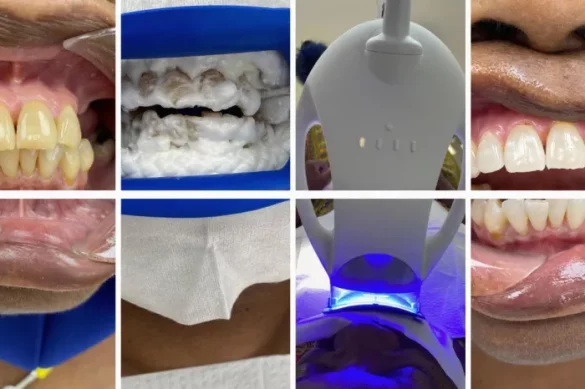
Zoom teeth whitening is an increasingly popular treatment for those looking to achieve a brighter, whiter smile. Many people turn to this in-office procedure due to the quick results and significant improvement in tooth color. However, one common question from patients considering the treatment is: How long does Zoom teeth whitening actually last? Understanding the longevity and factors influencing the whitening results is essential for making an informed decision about your smile.
What Is Zoom Teeth Whitening?
Zoom teeth whitening is a professional bleaching process often performed in dental offices. It utilizes a hydrogen peroxide-based whitening gel activated by a special light. This advanced system enhances the effectiveness of the bleaching agent, penetrating the enamel and dentin to break down stains and discoloration. The procedure typically takes about 45-60 minutes, making it a convenient option for those seeking instant improvements.
How Does Zoom Whitening Work?
Zoom whitening treatments begin with an application of a highly concentrated hydrogen peroxide gel to the surface of the teeth. A specific blue LED light is then used to activate the gel, allowing oxygen to enter the enamel and dentin and lift out deep-seated stains. The result is a noticeably brighter smile, often up to eight shades lighter than before treatment. Dental professionals closely supervise the procedure to ensure safety and effectiveness.
Factors Affecting Whitening Longevity
The effects of Zoom teeth whitening do not last forever. On average, results can persist between 6 months and 2 years. This variation depends heavily on individual lifestyle choices and oral hygiene. Several factors influence how long your whitening results will last, including:
1. Diet
Frequent consumption of staining foods and beverages, such as coffee, red wine, tea, and soda, can gradually dull whitened teeth. Foods high in pigment or acid can stain the enamel and shorten the lifespan of your treatment. Sticking to a diet low in staining substances will improve the longevity of whitening results.
2. Oral Hygiene
Good oral care is critical. Brushing with whitening toothpaste, flossing, and regular dental cleanings are essential habits. Proper brushing after every meal, or at least in the morning and evening, helps remove surface stains before they can set. Flossing also reduces bacteria and minimizes stain buildup between teeth.
3. Smoking and Tobacco Use
Tobacco products, including cigarettes and vaping, can quickly reverse whitening effects. These habits can lead to new stains on your tooth enamel, often causing discoloration faster than in non-users. Quitting smoking after your Zoom treatment can significantly help you maintain a whiter smile for longer.
4. Genetics and Enamel Health
Some people naturally have thicker or more absorbent enamel, affecting both the initial color of the teeth and how long whitening results last. Genetics may influence enamel porosity, but maintaining healthy teeth through professional dental advice usually ensures better and longer results.
5. Maintenance Treatments
Many dental offices provide custom-fitted whitening trays for at-home touch-ups. These trays allow you to maintain your whitening results over time, without the need for repeated in-office procedures. Patients are often advised to use touch-up whitening every 6 to 12 months, or whenever they notice yellowing returning.
Typical Duration of Zoom Whitening Results
On average, Zoom whitening results last from 6 to 12 months. For some individuals who avoid staining foods and maintain excellent oral hygiene, the effects can extend up to 24 months. Most patients are advised to schedule regular dental check-ups and cleanings to maximize results. Dentists may also recommend specific toothpastes or rinses designed to prolong whiteness after treatment.
The Initial 72-Hour Period: Protecting Your Results
The first 24 to 72 hours following a Zoom treatment are especially important. During this period, your teeth are more susceptible to absorbing stains. Dental professionals recommend that you avoid foods and drinks that could discolor your teeth, such as red wine, tea, coffee, curries, and any substances with strong pigmentation. Drinking water and eating crunchy fruits and vegetables, such as apples and celery, can help keep teeth cleaner. After this window, you can gradually return to your normal diet, but moderation is recommended to preserve your results.
Tooth Sensitivity After Zoom Whitening
Some patients experience sensitivity after Zoom whitening. This is due to the penetration of the whitening gel into the enamel and dentin, which can reach nerve endings. Sensitivity typically lasts a few days but is usually manageable with desensitizing toothpaste and over-the-counter pain relievers. Rarely, patients experience quick, sharp pains known as “zingers,” but these are short-lived and usually resolve within hours or, at most, a couple of days. If sensitivity persists beyond 48 hours, consult your dentist.
How to Prolong Your Whitening Results
You can extend the lifespan of your Zoom whitening results by following these practical steps:
- Practice excellent oral hygiene. Brush twice daily with a recommended whitening toothpaste and floss regularly.
- Minimize your intake of stain-causing foods and drinks. Use a straw for beverages such as iced coffee or soda to reduce contact with teeth.
- Avoid tobacco products altogether.
- Schedule regular dental cleanings and whitening maintenance visits.
- Use at-home whitening trays as directed by your dentist to touch up fading results.
Is Zoom Whitening Safe?
Zoom teeth whitening is a safe procedure when performed or supervised by a qualified dental professional. Modern systems are designed to minimize tooth sensitivity and protect your gums. Dentists will assess your oral health to determine if you are a good candidate and offer advice for post-treatment care, further improving your experience and results.
What Sets Zoom Whitening Apart?
Unlike over-the-counter whitening solutions, Zoom whitening uses professional-grade materials and the expertise of your dental team to deliver superior, fast, and more predictable results. The procedure is simple, non-invasive, and produces instant improvements that over-the-counter kits or home remedies cannot match. The use of a blue LED light significantly accelerates the active whitening process, providing a brighter smile in just one visit.
Conclusion
Zoom teeth whitening is a highly effective treatment for achieving a brighter smile, with results that can last from six months up to two years depending on individual habits and oral care. By carefully managing what you eat and drink, maintaining rigorous oral hygiene, avoiding tobacco, and following guidance from your dental professional, you can maximize and even extend the duration of your whitening results. For long-lasting impact, some patients also choose to use dentist-provided touch-up kits at home between professional treatments.
Frequently Asked Questions
How often can I get Zoom teeth whitening?
Most dental professionals recommend undergoing Zoom whitening no more than once a year, but maintenance trays can be used more frequently as directed.
Is tooth sensitivity serious after Zoom whitening?
Mild to moderate sensitivity is common and should resolve within a few days. Severe or persistent discomfort should be reported to your dentist.
What if my teeth start to become yellow again?
Consult your dentist about at-home touch-up kits or consider another Zoom session after enough time has passed since your last treatment.
Are there any foods that help keep my teeth white?
Yes, eating crunchy fruits and vegetables like apples, celery, and carrots can help clean teeth and reduce buildup. Water and dairy products also help maintain oral health after whitening.
Can anyone undergo Zoom whitening?
Zoom whitening is suitable for most adults, but people with dental restorations or certain oral health issues should consult their dentist to ensure the treatment is appropriate.