


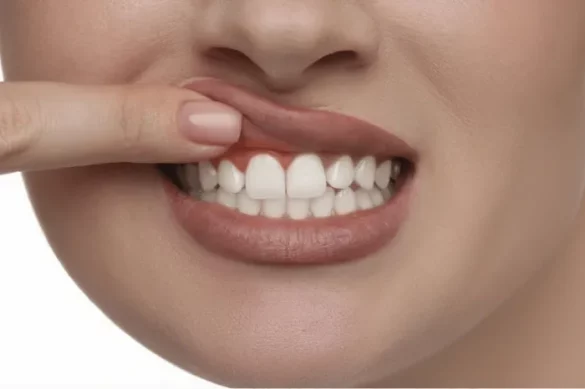
Many people living with periodontal disease are eager to find natural and practical ways to restore gum health and reduce their discomfort. Taking charge of daily habits—ranging from what you eat to how you clean your teeth—can play a pivotal role in supporting recovery without exclusive reliance on medical treatments.
Understanding Periodontal Disease
Periodontal disease, often called gum disease, refers to a chronic bacterial infection targeting the tissues that keep your teeth anchored. It usually starts with mild irritation or bleeding (gingivitis) and, if left unchecked, may lead to more severe problems such as gum recession and even tooth loss. Plaque buildup, driven by poor oral hygiene, is a chief culprit. Common symptoms include swollen or bleeding gums, persistent bad breath, loose teeth, and receding gums. Managing gum disease naturally hinges on vigilant oral care and conscious lifestyle adjustments.
Why Early Action Matters
Acting swiftly when signs of gum disease first appear can make a substantial difference, often reversing early-stage damage through better home routines and healthy practices. Advanced disease may ultimately demand professional intervention, but natural strategies can slow progression and mitigate discomfort, making prevention and quick response crucial.
Natural Remedies to Support Gum Health
Salt Water Rinse
A daily rinse with salt dissolved in warm water is time-tested for soothing inflamed gums, reducing oral bacteria, and speeding healing. Its simplicity makes it an accessible choice for many seeking relief.
Oil Pulling
Swishing coconut or sesame oil for several minutes is believed to lessen oral bacteria and plaque load, contributing to improved gum health. Always spit out the oil after use.
Turmeric Paste
Turmeric is renowned for its anti-inflammatory and antimicrobial effects. Mixed with water into a paste, it can be gently applied to affected gum areas for symptom relief and reduced bacterial growth.
Aloe Vera Mouth Rinse
Aloe vera gel, blended with water, offers a gentle and natural rinse to calm gum tissue. Select products free from synthetic additives for the safest results.
Baking Soda Brushing
Occasional brushing with a paste of baking soda helps manage bacteria and neutralize acids that irritate gums. Its mild abrasiveness supports thorough but gentle cleaning.
Herbal Mouthwashes
Rinses made from ingredients like sage leaf, diluted tea tree oil, or peppermint provide extra antibacterial protection. Homemade herbal options can enhance routine care and freshen breath.
Green Tea
Research suggests that green tea—rich in antioxidants—may slow gum disease progression and reduce oral inflammation. Including it in the daily diet can offer added benefits.
Dietary Choices and Lifestyle Habits for Healthy Gums
Balanced Nutrition
Eating foods loaded with vitamin C, vitamin E, and omega-3 fatty acids boosts gum resilience and discourages inflammation. Leafy greens, citrus fruits, peppers, walnuts, and fish are especially beneficial.
Reducing Intake of Sugars and Starches
Minimizing sweets and processed carbohydrates limits the fuel available to destructive oral bacteria, lowering risk of disease flare-ups and helping maintain clean teeth.
Hydration and Rinsing After Meals
Drinking plenty of water doesn’t just help overall health—it also flushes away debris and bacteria from the mouth. Rinsing with water after eating can further help control plaque.
Daily Oral Hygiene Practices
Proper Brushing and Flossing
Using a soft-bristled toothbrush and cleaning between teeth with floss every day can keep surface bacteria at bay and prevent plaque buildup—a cornerstone of gum health.
Use of Antibacterial Mouthwash
Whether homemade with natural ingredients or commercial, antibacterial rinses help limit harmful microbes and keep gums as clean as possible.
Electric Toothbrushes
For some, switching to an electric toothbrush helps lift away even stubborn plaque, making it easier to maintain healthier gums.
Chewing Sugar-Free Gum
Sugar-free gum stimulates saliva, cleansing the mouth naturally and reducing acids that compromise tooth and gum integrity.
Habits That Impair Gum Health
Avoiding Tobacco Products
Giving up smoking or any tobacco use is vital, as these substances worsen periodontal problems and slow recovery. Quitting can quickly lead to visible improvements in gum condition.
Preventing Oral Injuries
Gentle brushing and avoiding hard objects or oral piercings reduce risk of gum trauma and recession, helping keep tissues healthy.
When to Turn to Professional Care
Even with dedication to natural strategies, seeing a dentist regularly remains essential. Professional cleanings and evaluations help catch worsening issues early and ensure that proper intervention is provided when needed.
Conclusion
Integrating regular oral hygiene practices, healthy dietary choices, and proven natural remedies offers a comprehensive path to improving gum health for those living with periodontal disease. Whether it’s salt water rinses, herbs, or nutritional tweaks, these strategies work best when paired with consistent dental visits. For persistent or advanced cases, professional advice remains a must for long-term wellbeing.
Frequently Asked Questions
Can home remedies fully cure periodontal disease?
Natural remedies may help with mild cases but typically can’t reverse advanced gum disease, which should be supervised by a dentist.
How soon can results be expected from natural methods?
Improvements such as reduced swelling and bleeding may appear within days or weeks, but lasting change depends on sustained care and healthy habits.
Are herbal and homemade solutions truly safe?
Generally, these remedies are mild and safe if used correctly, but it’s important to follow proper guidelines and discontinue use if irritation develops. Essential oils should be diluted appropriately.
Is it necessary to keep visiting the dentist if my symptoms improve?
Absolutely—regular dental checkups are important for maintaining gum health, even if symptoms subside. Dentists can spot early warning signs and help prevent relapse.