


Many people believe that retainers are only for those who have completed orthodontic treatment with braces. However, retainers can also be an important tool in dental care for people who have never worn braces. They offer ways to maintain teeth alignment, correct minor problems, and protect overall oral health through a simple and non-invasive approach. This article explains when and why retainers might be recommended without braces, the benefits and limits of this strategy, and what to expect if your orthodontist suggests retainer use without a prior history of braces.
What Is a Retainer?
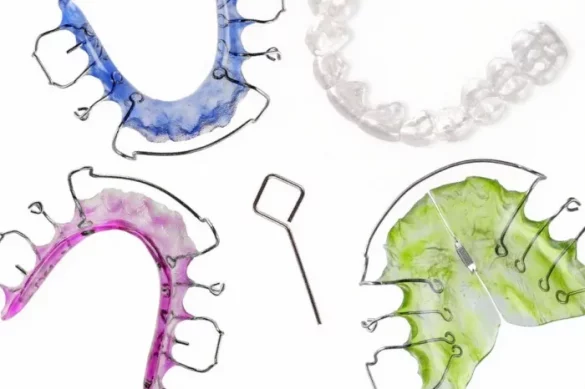
A retainer is a custom-made dental device designed to keep your teeth in their proper positions. It can be made from plastic, metal, or a combination of these materials. Retainers may be fixed, which means they are bonded to the back of your teeth, or removable, which allows you to take them out for cleaning and eating. The main purpose of a retainer is to prevent your teeth from moving, but it can also help with some other dental concerns.
Can You Have Retainers Without Braces?
Yes, it is possible to have a retainer without ever having braces. While braces are designed to move teeth into a better position, retainers are meant to keep teeth stable. Orthodontists may recommend retainers without braces in situations where there is only a minor issue or in order to provide protection for teeth.
Reasons for Getting Retainers Without Braces
Preventing Minor Teeth Shifting
Teeth can move over time for many reasons. These include natural growth, pressure from other teeth, or habits like grinding. If your teeth have very slight misalignment or you want to prevent changes, a retainer may be recommended without any prior orthodontic treatment. This simple device applies gentle pressure that holds teeth in place, avoiding unnecessary movement.
Correcting Minor Dental Alignment Issues
Not all alignment problems require braces. For example, small gaps between teeth or a tooth slightly out of position can sometimes be controlled with retainers alone. In these cases, retainers are much more comfortable and less noticeable than braces. Your orthodontist will decide if your specific situation fits this solution.
Post-Dental Work Care
After dental work like crowns or fillings, a retainer may be used to keep the surrounding teeth from moving. This helps maintain the results of your dental work by providing stability. Not only does this protect your new dental restoration, but it also lowers the risk of unwanted shifting.
Protection from Teeth Grinding
Teeth grinding, or bruxism, is a common habit that can damage your teeth over time. Retainers can act as a barrier, separating your upper and lower teeth at night. Though not a treatment for misalignment, retainers can prevent enamel wear, reduce jaw pain, and protect dental surfaces against grinding.
Assisting with Thumb-Sucking and Tongue-Thrusting Habits
Children and some adults may have habits that affect their teeth, such as thumb-sucking or tongue-thrusting. These actions may push teeth out of alignment. In these cases, a special type of retainer or appliance can be used to discourage the habits and help keep the teeth in their proper positions.
Speech Improvement
Sometimes, problems in teeth or jaw positions can affect speech. Retainers may help improve clarity by stabilizing the teeth and guiding the tongue’s position during sound production. Non-invasive and comfortable, retainers can be considered for speech adjustments by dental professionals.
Jaw Pain Management
For certain jaw problems or discomfort—like issues with the temporomandibular joint (TMJ)—retainers can help maintain correct alignment and reduce stress on the jaw muscles. A properly fitted retainer can offer pain relief and help prevent additional issues related to bite.
Snoring and Sleep Apnea
Retainers are sometimes recommended as part of dental sleep medicine to help with snoring or mild sleep apnea. Specialized retainers are designed to keep the patient’s airway open by positioning the jaw or tongue, leading to improved sleep quality.
Types of Retainers Used Without Braces
Retainers come in several forms:
Fixed Retainers
These are bonded to the back of your teeth and stay in place all the time. They’re hard to lose and offer constant support.
Removable Retainers
Removable retainers can be taken out for cleaning or eating. They are easy to use and are common for minor problems or protection from grinding.
Clear Retainers
Made of transparent plastic, clear retainers are almost invisible. They are favored for their aesthetics when stability is most important.
Your orthodontist will suggest the type that fits your needs, based on the issue to be addressed and your lifestyle.
Benefits of Retainers Without Braces
- Usually less expensive than braces
- Less invasive; no brackets or wires
- Increased comfort, especially with custom fit
- Can prevent the need for future orthodontic treatment
- Simple maintenance and hygiene
Retainers provide stability and protection for your teeth without requiring extensive procedures. They are an effective option for people with minor issues or those wanting to avoid more complex orthodontic interventions.
Limitations of Retainers Without Braces
It is important to understand that retainers are not a substitute for braces if you have significant misalignment, multiple gaps, or bite problems. Retainers can only hold teeth in their present position and may provide very minor adjustments. For complex or severe problems, braces or other orthodontic tools will likely be necessary. An orthodontic consultation is vital to assess your needs and make recommendations.
Consultation and Professional Assessment
If you or your child is considering a retainer without ever having had braces, you should visit an orthodontist for evaluation. Diagnostic scans and x-rays will be used to check your teeth and jaw. Only a professional can assess whether a retainer alone is suitable or if more advanced treatment is needed. Your lifestyle, habits, and oral health will all be considered during this consultation.
Oral Health Maintenance With Retainers
Retainers are not just about alignment—they also help maintain your bite and oral health. By keeping teeth stable, they reduce risks such as gum disease and uneven wear. Regular cleaning, proper use, and follow-ups with your provider are needed for the best results.
Conclusion
In summary, retainers can be used without braces for specific dental concerns. They provide a simple and effective way to maintain alignment, manage minor issues, protect teeth from grinding, and assist with other oral health concerns. While they cannot replace braces for major problems, retainers are a valuable tool in the orthodontist’s kit. Always seek professional advice to ensure you get the best solution for your needs and enjoy long-term dental health.
Frequently Asked Questions (FAQs)
Can retainers fix all alignment problems without braces?
No, retainers are suitable for minor correction and maintenance only. Major misalignment needs braces.
Will wearing a retainer hurt if I never had braces?
Most patients find retainers comfortable. Some mild pressure may be felt, which usually goes away after a few days.
How often should retainers be worn?
Your orthodontist will provide specific guidelines based on your dental needs. Some people wear them only at night, others may need to wear them more frequently.
Can I get a retainer for teeth grinding?
Yes, retainers (sometimes called night guards) can protect teeth from grinding and related problems.
Is a dental consultation needed before getting a retainer?
Absolutely. Only a professional can assess if a retainer suits your individual dental health and advise you on the best approach.