


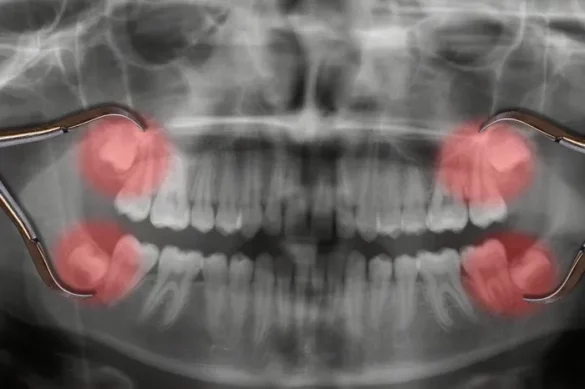
Wisdom teeth removal is a topic that causes concern for many people who are facing dental extractions. Patients often wonder whether removing wisdom teeth is more painful than other kinds of tooth extractions. Understanding the risks, the actual experience of pain, and aftercare is essential for anyone preparing for this common oral surgery.
What Are Wisdom Teeth and Why Are They Removed?
Wisdom teeth are the last set of molars to erupt at the back of the mouth. They usually appear between the ages of 17 and 25.
For some people, these teeth fit comfortably without issues. However, for many, wisdom teeth become problematic due to limited space in the jaw. This lack of space often leads to impaction, where the tooth does not fully emerge or grows at an awkward angle.
Dentists commonly recommend removing wisdom teeth to prevent crowding, infection, decay, or gum problems. Even if these teeth erupt correctly, their location makes them hard to clean, increasing the risk for oral health issues.
Types of Tooth Extraction: Simple vs. Surgical
Tooth extractions can generally be divided into two categories:
Simple Extraction
This type removes teeth that are visible and accessible in the mouth. Dentists use local anesthetic to numb the area, then loosen and remove the tooth with specialized instruments. Simple extractions are typically less painful and involve minimal tissue trauma.
Surgical Extraction
Surgical extraction is necessary when the tooth is not fully visible—often the case with wisdom teeth. The dentist or oral surgeon may need to cut through gum tissue or remove bone to reach and extract the tooth. This procedure is more invasive and tends to cause more discomfort both during and after surgery.
Why Is Wisdom Teeth Removal Often More Painful?
Wisdom teeth removal, especially when the teeth are impacted, is often considered the most painful dental extraction. Several factors contribute to this increased pain and discomfort:
Location and Accessibility
Wisdom teeth are positioned far back in the mouth. Their location makes them harder to reach and remove, often requiring prolonged procedures and more force. This can result in increased soreness and trauma to surrounding tissues.
Impaction
Many wisdom teeth do not emerge completely. When teeth are trapped in the jawbone or gum tissue (impacted), their removal usually involves cutting through both gum and bone. This necessity for surgical extraction increases the complexity and potential for pain.
Proximity to Nerves
Lower wisdom teeth are located near major nerves in the jaw. Operations in this area carry a higher risk of nerve irritation, which can cause numbness, tingling, or even extended pain following surgery.
Bone Removal
In many cases, some jawbone must be removed to fully access and extract the impacted tooth. Removing bone adds trauma, increases swelling, and generally causes more discomfort than extracting non-impacted teeth.
Healing and Recovery
Recovery from wisdom teeth extraction can involve swelling, bruising, and difficulty opening the mouth. The wounds are farther back in the mouth and harder to keep clean, which raises the risk of infection or complications like dry socket—a painful condition where the blood clot that protects the bone and nerves at the extraction site is lost.
Actual Experience of Pain: Procedure vs. Recovery
It is important to understand that pain during wisdom teeth extraction is well managed with modern dentistry. Dentists use local anesthesia or even stronger sedation, so patients generally feel only pressure or vibrating sensations during the procedure—not true pain.
However, as anesthesia wears off, most discomfort emerges in the recovery phase. The intensity of pain varies depending on:
- The complexity of the surgery (simple removal vs. impacted extraction)
- The patient’s health and healing ability
- Degree of swelling and bruising
Many people compare the pain after wisdom teeth removal to a dull, throbbing ache. It peaks in the first 24–48 hours and typically improves within a few days. Over-the-counter pain medication, ice packs, and carefully following post-surgical advice typically help manage symptoms.
How Wisdom Teeth Removal Compares to Other Tooth Extractions
Dentists generally agree that impacted wisdom teeth extractions are more painful and have a longer recovery than removing front teeth or non-impacted molars. Other difficult extractions (such as severely decayed or broken teeth removed surgically) can be painful too. However, the back location, frequent impaction, and potential for nerve involvement make wisdom teeth extractions stand out for causing more discomfort on average.
Each person’s pain tolerance is different, and not every wisdom tooth extraction leads to severe pain. Proper dental techniques, individual health, and thorough aftercare all play a role in how much pain is experienced and how well healing progresses.
Tips for Managing Pain After Wisdom Teeth Removal
Dentists provide detailed instructions for pain management after extraction. Key strategies include:
Use of Medications
Dentists usually recommend or prescribe pain relievers. Over-the-counter options like ibuprofen or acetaminophen are typically
sufficient for most cases.
Applying Cold Packs
Ice packs help control swelling and can numb the area, providing comfort during the first day or two after surgery.
Rest and Soft Foods
Taking it easy and eating only soft foods for several days allows the mouth to heal. Avoid chewy, crunchy, or spicy items, which could disturb the healing site.
Oral Hygiene
Follow instructions for gentle rinsing, usually starting 24 hours after extraction. This helps avoid infection. Do not use straws or spit forcefully, as these could disturb the blood clot and lead to dry socket.
Attending Follow-Up Appointments
Return to the dentist for any scheduled checks. If you develop severe pain, swelling, or other issues, contact your dentist immediately, as these may signal complications requiring attention.
Are There Ways to Make Wisdom Teeth Removal Less Painful?
Modern dentistry offers solutions to help make the procedure and recovery as comfortable as possible. Options include:
- Local anesthesia to numb the extraction site
- Sedation or general anesthesia for anxious patients or complicated extractions
- Pre- and post-operative medications such as antibiotics or prescription painkillers if needed
- Education about aftercare to minimize complications and speed healing
Communication with your dental team is crucial. Let them know about any anxiety, health conditions, or concerns so they can tailor the approach to your needs.
Conclusion
Wisdom teeth removal is often more painful than other types of dental extractions, particularly when the teeth are impacted or require surgical removal. Most people find the process manageable, especially if they follow their dentist’s pain control and aftercare instructions. With today’s advances in anesthesia and oral surgery, the actual procedure is rarely painful. Recovery can be uncomfortable, but for most patients, discomfort is short-term and responds well to home care measures. If you have concerns about pain or healing, speak openly with your dental professional to create a pain management plan that works for you.
FAQs
Is wisdom teeth removal always painful?
No, the procedure itself is typically not painful due to effective anesthesia. Most discomfort occurs during recovery and is usually mild to moderate.
How long does the pain last after wisdom teeth removal?
Most pain peaks within 24–48 hours and then gradually improves. Complete healing usually takes 1–2 weeks.
How does the pain from wisdom teeth removal compare to other extractions?
Impacted wisdom teeth removal is often more painful than simple tooth extractions due to the procedure’s complexity, but not everyone experiences severe pain.
What complications can increase pain after extraction?
Dry socket, infection, or nerve injury can cause increased pain. Following aftercare instructions reduces risk.
Can anything be done to prevent pain?
Strictly following your dentist’s advice before and after extraction is the best way to minimize pain and reduce the risk of complications.