


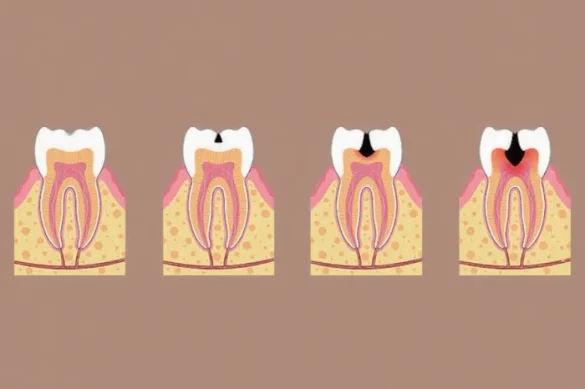
Many people worry about cavities and the need for dental fillings. But did you know that cavities do not always require invasive dental procedures, especially when detected early? The earliest stage of tooth decay, known as a Stage 1 or early cavity, affects the outer enamel only and can often be reversed with proactive care. This article will explain what an early stage cavity is, how it develops, the importance of early detection, and the steps you can take to reverse the damage and maintain healthy teeth.
Understanding Early Stage Cavities
An early stage cavity refers to the initial phase of tooth decay, where only the enamel—the hard, outermost protective layer of the tooth—is affected. At this point, the enamel is weakened by acids, but there is no visible hole or structural break in the tooth. The process behind this is called demineralization, where minerals are lost from the enamel due to attack by acids produced by bacteria in dental plaque.
Signs and Symptoms of Early Cavities
Most people cannot easily detect an early cavity at home. Pain is usually absent at this early stage, making regular dental checkups essential for timely diagnosis. Sometimes, you might see white, chalky spots on the surface of the tooth. These areas signal loss of minerals. Less commonly, there might be faint brown or gray discolorations. Sensitivity to hot, cold, or sweet foods may occur, but it is often mild and can come and go.
Because symptoms are subtle, only a trained dentist can reliably spot these early signs using a professional examination. Routine dental visits every six months are crucial for detecting problems before they become serious.
How Do Cavities Form?
Cavities start when bacteria in the mouth feed on sugars and starches left behind from foods and drinks. These bacteria form a sticky layer called plaque on the teeth. As bacteria digest these sugars, they produce acids. These acids attack and weaken the enamel, a process that begins with demineralization before a cavity actually forms. If these acid attacks continue and minerals are not replenished, the enamel can break down further and develop into a classic cavity (a hole in the tooth). At that point, reversal is no longer possible, and a filling is needed.
Risk Factors for Early Cavities
The following factors can increase your risk of developing early cavities:
- Frequent snacking on sugary or starchy foods
- Poor oral hygiene
- Dry mouth or low saliva flow
- Genetics affecting enamel strength
- Young children and older adults (due to less mature or thinning enamel)
- Use of medications that reduce saliva
Understanding these risks can help you take action to prevent damage and protect your teeth.
Can Early Stage Cavities Be Reversed?
If an early cavity is caught before the enamel breaks or a hole forms, the damage can often be reversed. The key is remineralization—the process where lost minerals are restored to the enamel. This can be achieved through a variety of methods, primarily with the use of fluoride and improved oral hygiene.
The Science of Remineralization
Your saliva is naturally equipped to fight cavities. It washes away food and bacteria and contains minerals like calcium and phosphate that can help rebuild weakened enamel. However, lifestyle factors and poor oral care can tip the balance toward demineralization. Supporting the natural remineralizing process is vital for reversing early cavities.
Professional Treatments for Early Cavities
Dentists have several non-invasive ways to treat early stage cavities and encourage remineralization:
Fluoride Treatments
Fluoride is a mineral that profoundly strengthens enamel and helps it reabsorb lost minerals. Professional fluoride treatments come in the form of gels, foams, or varnishes applied directly to teeth. These boost the enamel’s ability to repair itself. Dentists may recommend higher-strength fluoride toothpastes or rinses for home use, especially for those with frequent cavity risk.
Dental Sealants
Dental sealants are thin, protective coatings painted onto the chewing surfaces of molars and premolars. Although usually done in children, sealants can also help adults with deep grooves prone to decay. By blocking bacteria and food from crevices, sealants provide a barrier against acid attack and aid in keeping teeth clean.
Home Strategies to Reverse Early Cavities
Beyond professional treatments, what you do at home plays a major role in reversing early decay:
1. Daily Fluoride Toothpaste
Choose a fluoride toothpaste and brush at least twice a day. Fluoride in toothpaste is one of the easiest and most effective ways to support remineralization.
2. High-Quality Brushing and Flossing
Plaque removal stops bacteria from producing acid. Use soft, gentle circular motions while brushing for two minutes twice daily. Flossing helps clean between the teeth where cavities often start and where your brush cannot reach.
3. Smart Diet Choices
Bacteria thrive on sugar and fermentable carbohydrates, producing acid. Limit sticky candies, cakes, chips, and sugary drinks. Instead, snack on cheese, nuts, celery, and raw vegetables that help cleanse teeth and stimulate saliva flow. Drink water after meals to wash away food particles and acids.
4. Chewing Sugar-Free Gum
Chewing gum (especially those with xylitol) increases saliva flow. This extra saliva helps rinse the mouth, neutralize acids, and promote remineralization of the teeth.
5. Regular Dental Visits
Dentists can spot early signs of demineralization and provide tailored fluoride treatments, sealants, or preventive therapies as needed. Timely professional intervention increases the chance of reversal and keeps your teeth healthy for life.
When Reversal Is No Longer Possible
If decay breaks through the enamel and creates a hole in the tooth, remineralization is not enough. At this stage, fillings or other dental work may be required. Delaying treatment only increases the risk of pain, tooth loss, and more expensive procedures such as root canals or crowns later.
Prevention Is Your Best Defense
The best way to avoid cavities altogether is prevention. Establishing good oral care routines from an early age, eating teeth-friendly foods, limiting sugar intake, and seeing your dentist regularly are all vital steps. Dental sealants may be a good option for people with deep grooves or those at increased risk.
Dentists and dental hygienists can also educate you about daily habits and preventive measures tailored to your unique needs.
Conclusion
Early stage cavities represent a unique window of opportunity for reversing tooth decay before costly and invasive dental treatment is needed. These cavities involve minimal enamel damage that, with proper intervention, can be repaired and strengthened. Fluoride treatments, sealants, good home care, and smart nutrition all play a role in stopping and even reversing early-stage decay. Regular checkups provide the expert eyes necessary to catch problems early. If you think you have the beginning of a cavity, or if you simply want to prevent them from ever starting, talk to your dentist and practice consistent oral hygiene at home—your teeth will thank you for years to come.
FAQs
Can all cavities be reversed?
No, only cavities that have not caused a hole in the enamel can be reversed. Once the enamel surface is broken, professional treatment is needed.
How long does it take to reverse an early cavity?
With daily fluoride, better oral hygiene, and dietary changes, some early-stage lesions may remineralize in weeks to months. Regular dental monitoring is essential.
What foods help prevent cavities?
Cheese, nuts, leafy greens, and high-fiber vegetables support dental health. Water and foods rich in calcium and phosphorus help rebuild enamel.
Is fluoride safe for my teeth?
Yes, fluoride is considered safe and highly effective for strengthening enamel and preventing cavities when used as directed by your dentist.
Should children and adults both get fluoride treatments?
Both children and adults benefit from regular fluoride exposure. Dentists may suggest treatments based on age, risk level, and oral health needs.