


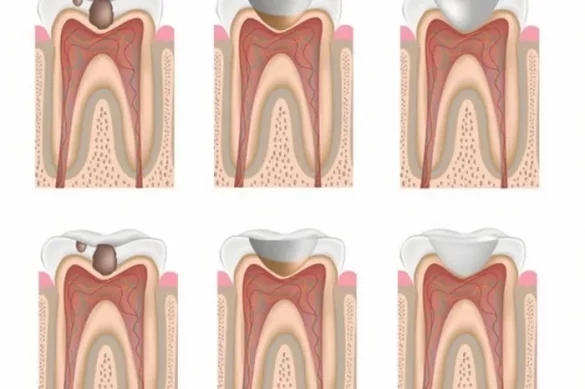
When patients notice holes or cavities in their teeth, one of the most common questions they have is whether every dental hole needs to be filled. The answer is more nuanced than a simple yes or no. Modern dental research and practice show that the need for fillings depends on several factors, including the stage of tooth decay, symptoms, and the patient’s overall oral health. Understanding the principles behind dental fillings can help patients make informed decisions about their treatment options.
Understanding Tooth Decay and Dental Holes
Dental holes, scientifically referred to as cavities, are the visible signs of tooth decay. Tooth decay begins with the breakdown of tooth enamel due to acids produced by oral bacteria. These acids form from the sugars and carbohydrates in our diet. If not managed properly, the process leads to the formation of cavities, which are essentially holes in the tooth surface. According to the American Dental Association (ADA), tooth decay develops progressively through several stages.
Stages of Tooth Decay
There are commonly five recognized stages of tooth decay:
- Enamel Lesion: Early spots or white/brown lesions signal minerals leaving the tooth enamel. At this initial stage, the structure of the tooth surface has softened, but a cavity or hole has not yet formed.
- Enamel Decay: The loss of minerals continues, and the enamel starts breaking down. At this point, small holes may begin to appear, indicating the start of a cavity.
- Dentin Decay: The decay reaches the dentin, the layer beneath the enamel. The cavity generally increases in size and is closer to the nerves, often causing pain or sensitivity.
- Pulp Decay: The cavity progresses even further, reaching the pulp—the tooth’s center, which contains nerves and blood vessels. This can result in toothaches and a significant risk of infection.
- Tooth Abscess: If untreated, bacteria can invade deep into the pulp, forming an abscess (a pocket of pus), leading to severe pain, fever, and swelling.
When Is a Filling Required?
Not every hole in a tooth automatically requires a dental filling. Dentists decide if a filling is necessary based on the extent of the decay, symptoms, and the risk of further damage. The main goal of a filling is to restore the tooth’s shape, function, and strength, and to seal off areas where bacteria can continue to cause decay.
Symptoms and Diagnosis
Dentists use a combination of tools to assess whether a filling is needed:
- Visual Examination: Looking for cracks, discoloration, or visible holes.
- X-rays: Identifying decay not visible to the naked eye and understanding the depth of the cavity.
- Pain and Sensitivity: Symptoms such as pain when chewing, sensitivity to hot or cold, or discomfort with sweets.
If the tooth exhibits these signs and the cavity extends into the dentin or pulp, a filling is often recommended.
Conservative and Aggressive Treatment Approaches
Dentists adopt different strategies:
- Aggressive Approach: Immediate filling is often suggested for any cavities discovered, especially if they are deep or symptomatic.
- Conservative Approach: Monitoring small, early-stage cavities that might not require immediate filling; sometimes remineralization therapies are preferred.
Alternatives to Dental Fillings
For cavities at their earliest stages, before substantial tooth structure is lost, alternative treatments may be possible.
Remineralization
- Fluoride Varnish or Gel: Application of high-concentration fluoride helps re-mineralize the enamel and reverse early decay. These treatments are painless and noninvasive.
- High-Fluoride Toothpaste: Prescription toothpaste can prevent further decay, especially on exposed roots or sensitive areas.
Dental Sealants
Sealants are protective coatings placed over the grooves of molars or teeth at risk of decay. They can be used to cover areas of minor early decay to prevent progression. Sealants do not restore lost tooth structure but can stop small, non-cavitated lesions from worsening.
Silver Diamine Fluoride (SDF)
SDF is a topical treatment that halts decay and hardens the cavity, especially in baby teeth or for patients unable to tolerate drilling or fillings. However, it stains the treated area black and does not rebuild lost tooth material.
Risks of Not Filling a Cavity
Leaving a dental hole untreated, especially if it is large or progressing, increases the risk of more severe oral health issues:
- Increased Decay: Cavities grow larger and may affect neighboring teeth.
- Pain and Infection: Untreated holes can lead to toothaches, abscesses, and infections requiring complex treatment such as root canals or extractions.
- Tooth Loss: Extensive decay compromises structural integrity, leading to possible tooth loss, replacement, or implants.
Filling Types Explained
If a dentist determines a filling is necessary, several materials are available for restoring the tooth:
- Composite (Resin): Tooth-colored material suitable for front and visible teeth.
- Amalgam: Metal filling, durable and often used for molars.
- Porcelain or Gold: Less common, more costly, typically reserved for complex cases.
Dentists help patients choose the best option based on the cavity’s location, tooth function, aesthetic needs, and cost.
Prevention Is Key
Consistent oral hygiene and regular dental visits are essential. Brushing with fluoride toothpaste, reducing sugar intake, and using recommended mouth rinses are preventive measures. Professional checkups enable early detection and intervention; some cavities may be managed without fillings if caught soon enough.
Conclusion
Not all holes in teeth need immediate filling. The necessity for treatment depends largely on the stage and severity of the cavity, symptoms, and risk factors. Early-stage decay might be managed with noninvasive treatments, while advanced cavities often require fillings to prevent complications. Individual dental care should focus on prevention, timely diagnosis, and tailored treatment options under professional guidance.
Frequently Asked Questions
Do all dental cavities need to be filled?
Not all cavities require immediate filling; early-stage decay may be managed with remineralization therapies or sealants.
Are there alternatives to dental fillings?
Yes. Preventive measures like fluoride treatments, high-fluoride toothpaste, and dental sealants can halt early decay. Topical agents such as silver diamine fluoride may also help for certain cases.
What happens if a cavity is not filled?
Untreated cavities can enlarge, cause pain, spread infection, and result in tooth loss or costly treatment.
How can I prevent cavities?
Brush regularly with fluoride toothpaste, maintain a low-sugar diet, and visit the dentist for checkups and cleanings.
Can small holes in teeth heal on their own?
Very early enamel lesions can remineralize with proper care but deeper cavities require dental intervention.