


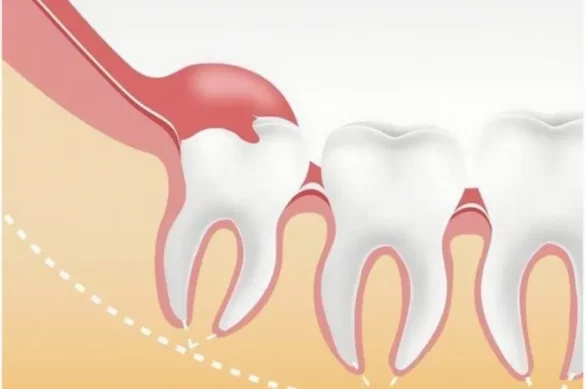
Swelling is a common concern after wisdom teeth removal, and many people worry about when the swelling will be the worst. This is a natural part of the body’s healing process after oral surgery and plays a significant role in the recovery experience. Recognizing when swelling peaks and knowing how to handle it can make the post-operative period more comfortable and less stressful.
Why Does Wisdom Teeth Swelling Happen?
When wisdom teeth are extracted, whether due to impaction, infection, or crowding, the body reacts to the surgery by sending more blood and immune cells to the area. This response helps to protect against infection and aids tissue repair, but it also causes swelling around the cheeks, jaw, and sometimes even the eyes. The amount and duration of swelling often depend on the complexity of the surgery and the body’s unique healing response.
The Timeline of Swelling After Wisdom Teeth Removal
The First 24 Hours
Immediately following surgery, swelling is usually not significant. The affected area may feel slightly puffy or tight, but the most obvious swelling generally has not yet developed. During this period, the use of ice packs is recommended. Applying cold to the face helps limit how much blood rushes to the area, thereby minimizing initial swelling. Pain medications and anti-inflammatory drugs may also be started as advised by your dentist or oral surgeon.
Day Two: When Swelling Peaks
For most patients, swelling becomes more apparent on the second day after wisdom teeth removal. This is often described as the worst day for swelling. The cheeks and sides of the face may look visibly larger, and it might become more difficult to open the mouth fully. The feeling of tightness, puffiness, and discomfort tends to be strongest at this stage. This is part of the normal healing process and not usually a cause for concern.
Day Three: Sustained Swelling and Discomfort
On the third day after surgery, swelling often remains at its highest or may reach its peak. Some patients notice that the puffiness, pain, and limited jaw mobility are most severe on this day. Discoloration, such as bruising around the cheeks or jaw, can also develop due to blood moving beneath the tissues. The discomfort and difficulty with eating or speaking may persist, but most symptoms should not be getting worse at this stage.
Days Four and Five: Gradual Reduction in Swelling
By the fourth and fifth days after wisdom teeth removal, swelling should start to subside. The cheeks should begin to look and feel less swollen. While some minor puffiness and discomfort may linger, most people find that pain and tightness are more easily managed. If swelling appears to be worsening instead of improving after the third day, it is important to contact your dental provider.
Factors Influencing the Severity of Swelling
Several factors determine how much swelling an individual will experience:
- The number of wisdom teeth removed. Removing more teeth, especially all four, may result in more swelling.
- The degree of impaction. If teeth are deeply impacted or require surgical cutting, swelling will probably be more pronounced.
- The patient’s age. Older patients often experience more swelling and a slower recovery.
- Adherence to post-operative instructions such as using ice packs, keeping the head elevated, resting, and taking prescribed medications.
- Overall health and immune system response. Pre-existing health conditions may affect healing and the body’s inflammatory reaction.
How to Manage and Minimize Swelling
Proper care can significantly lessen the severity of swelling and make recovery more comfortable:
- Use ice packs: Apply ice packs to the outside of your face over the surgical area in the first 24-36 hours. Keep the ice on for 20 minutes at a time, with short breaks in between, during waking hours.
- Elevate your head: Keep your head elevated while resting or sleeping, using pillows, to prevent fluid from accumulating in the area.
- Avoid heat early on: Do not apply heat until at least 36 hours after surgery, since it can increase swelling. Switch to warm compresses after the initial period to help the swelling go down.
- Follow medication instructions: Take anti-inflammatory medication and painkillers as recommended by your oral surgeon.
- Rest: Limit physical activities that can increase blood pressure and blood flow to the face, possibly making swelling worse.
- Monitor for complications: Watch for signs of infection, such as excessive redness, pus, a bad taste, or swelling that continues to worsen after several days. Contact a healthcare provider if any of these symptoms appear.
The Role of Diet in Managing Swelling
Consuming soft, cool foods such as yogurt, applesauce, mashed potatoes, or smoothies can help avoid further irritation to the surgical sites. Staying hydrated is also crucial, but do not drink with straws, as sucking can dislodge blood clots and delay healing. Avoid spicy, hot, or hard foods until swelling and discomfort have improved.
When to Be Concerned and Seek Help
While some swelling, pain, and slight bruising are normal, certain symptoms may suggest complications that need immediate attention. These include:
- Bleeding that does not decrease with applied pressure
- Fever above 101°F (38.3°C)
- Persistent or increasing swelling after three days
- Difficulty breathing or swallowing
- Numbness in lips, tongue, or chin lasting more than a few days
If you experience any of these issues, contact your oral surgeon or dentist promptly.
Recovery Expectations and Timeline
For most people, the swelling after wisdom teeth removal becomes apparent within 24 hours, peaks on the second or third day, and resolves significantly by days four and five. Every recovery is different, and some may notice swelling for up to a week. Good oral hygiene and adherence to care instructions can speed up the resolution of swelling and support faster overall healing.
Conclusion
Swelling after wisdom teeth surgery is part of the normal body response to tissue injury. The swelling usually reaches its worst on the second or third day after the procedure. With careful aftercare, including using ice packs, keeping your head elevated, and following your dentist’s instructions regarding medication and activity, you can minimize swelling and promote a smoother recovery. Being informed about the typical swelling timeline and what to expect can help reduce anxiety and improve healing outcomes. If swelling does not improve as expected or is accompanied by concerning symptoms, always reach out to your healthcare provider.
FAQs
When should I expect wisdom teeth swelling to be at its worst?
Swelling is usually most pronounced on the second and third day after wisdom teeth removal.
How long does wisdom teeth swelling last?
Most swelling subsides by the fourth or fifth day after surgery, with complete resolution by one to two weeks.
What can I do to reduce swelling faster?
Use ice packs for the first 36 hours, keep your head elevated, get plenty of rest, and follow all aftercare instructions.
When should I call my dentist about swelling after wisdom teeth removal?
If swelling worsens after three days or is accompanied by severe pain, fever, difficulty swallowing, or increased bleeding, contact your healthcare provider promptly.