


Cavities are one of the most common dental problems affecting people of all ages. You might hear them called tooth decay or dental caries. These small holes or damaged areas in your teeth can lead to pain and bigger dental problems if untreated. A cavity may start as a tiny spot, but if it grows, the damage gets worse. So, what exactly are cavities made of and how do they develop? This article will answer these questions in simple and clear terms.
Understanding Tooth Structure and Cavity Development
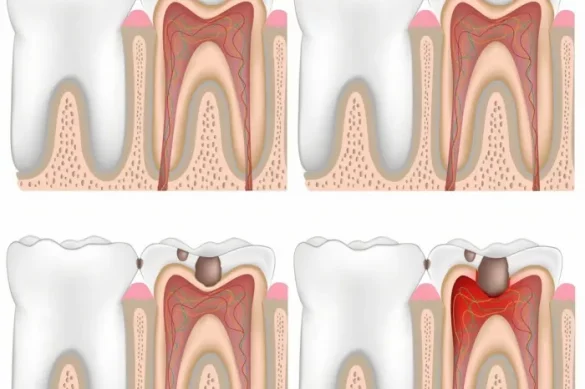
Teeth are strong because they are covered with enamel, the hardest substance in the human body. Enamel protects your teeth while chewing and biting. Below the enamel, there is a softer layer called dentin, and inside the tooth, there is a pulp that contains nerves and blood vessels. Cavities form when the enamel breaks down and is damaged.
What Is a Cavity?
A cavity is a damaged area in the tooth where the enamel has been weakened or destroyed. It starts as a small hole or pit in the enamel. If not treated, this hole can grow and extend into the dentin and even reach the pulp inside the tooth. Cavities are caused mainly by the interaction of bacteria, acid, and food particles in your mouth.
What Are Cavities Made Of?
Cavities themselves are not made of any one material. Instead, they represent areas of lost tooth tissue. To understand what fills a cavity, imagine a process where the hard tooth material is eroded or destroyed. The contents of a cavity include:
Enamel and Dentin Loss
The primary thing that makes up a cavity is the loss of minerals from the enamel and dentin due to acid attacks. When the enamel is attacked by acid, it loses important minerals like calcium and phosphate. This loss leaves behind a hollow space in the tooth. The dentin, which is softer than enamel, can be attacked and eroded even more quickly by acids. So, in a cavity, there is less of the original tooth material.
Decayed Tissue
As the cavity grows, bacteria penetrate deeper into the tooth. They break down not just the enamel but also the dentin. This leads to the presence of decayed, weakened dental tissue. The decayed material may appear brown, black, or dark yellow and is soft to touch compared to healthy tooth structure.
Bacterial Plaque and Acid Byproducts
Inside the cavity, you may find dental plaque. Plaque is a sticky film made of bacteria, saliva, and food particles. Bacteria in plaque produce acids when they digest sugars and starches. These acids attack and dissolve enamel and dentin. So, a cavity may contain remaining plaque, bacterial colonies, and their acid byproducts.
Food Particles and Debris
Cavities often trap tiny bits of food or other debris because of their hollow shape. These leftovers feed bacteria inside the cavity, helping them produce more acid, which worsens tooth decay.
Infected Pulp (Advanced Cavities)
If a cavity is left untreated and grows deep enough to reach the pulp, the inner part of the tooth becomes infected. The pulp contains nerves and blood vessels, and when infected, it leads to pain and possibly abscess formation. In this advanced stage, the cavity is made up of dead tissue, bacteria, and pus.
The Process: How Cavities Form
Cavities begin with bacterial activity. The mouth naturally hosts many types of bacteria, some of which are harmless or useful. However, some bacteria, especially those that thrive on sugars, are destructive to tooth tissue. Here is a step-by-step breakdown:
1. Plaque Formation
When you eat, especially sugary or starchy foods, small particles get left behind on your teeth. Bacteria in the mouth join with these particles and saliva to create a sticky film called dental plaque. This plaque is the starting point for cavity formation.
2. Acid Production
The bacteria in plaque feed on the sugars and starches from foods. As they digest these substances, they produce acids as a waste product. These acids are harmful and attack the minerals in the enamel, causing the enamel to lose its hardness.
3. Enamel Breakdown
Repeated acid attacks weaken the enamel. This causes soft spots or holes, which are the first sign of a cavity. If not treated, the cavity can grow deeper.
4. Dentin Exposure and Damage
When the enamel is largely worn away, the underlying dentin is exposed. Dentin is much softer than enamel and less resistant to acid damage. Bacteria and acids can destroy dentin faster, and the cavity gets larger.
5. Pulp Infection (In Severe Cases)
If decay reaches the pulp, the result is infection, pain, and possible tooth abscess. At this stage, cavities are very serious and can threaten the health of your entire tooth.
What Substance Fills a Cavity Before Treatment?
Before a dentist treats a cavity, its hollow is filled with decayed tooth tissue, bacteria, acids, and sometimes trapped food. After the decayed material is removed, dentists use special filling materials to restore the tooth’s shape and function. Common filling materials include composite resins, ceramics, silver amalgam, and glass ionomer. These substances do not form the cavity but replace the lost tooth tissue to restore your tooth after decay is removed.
What Do Cavities Look Like?
Cavities can appear in several forms. They may look like white or brown spots on the teeth at first. As they progress, the spots can turn dark brown or black. Cavities might appear as small holes or pits on the tooth surface, or large areas of decay. Sometimes, they are in between teeth and hard to notice without a dental exam.
Why Are Cavities Dangerous?
Cavities lead to tooth pain, sensitivity, trouble chewing, and infections. If left untreated, cavities can destroy the tooth, lead to abscesses, and affect your overall health. Early treatment is important.
Prevention: How to Protect Against Cavities
Preventing cavities is possible with good dental care. You should brush your teeth at least twice a day using fluoride toothpaste. Floss daily to remove plaque between teeth. Eat a balanced diet and limit sugary snacks and drinks. Visit your dentist regularly for check-ups and professional cleaning.
Conclusion
Cavities are areas of decay and destruction in your teeth. They are not made of any unique material; rather, they are spaces where enamel and dentin have been lost due to acid attacks from bacteria. Inside these spaces, there is decayed tissue, bacterial plaque, acids, and debris. Understanding what cavities are made of helps you realize the importance of dental hygiene and regular dental care. Protect your enamel and prevent cavities by brushing, flossing, and making healthy food choices. If you suspect you might have a cavity, see your dentist soon for treatment and advice.
FAQs
What causes cavities?
Cavities are caused by acids produced when bacteria in plaque digest sugars and starches left on your teeth. These acids attack and break down tooth enamel.
Do cavities heal on their own?
No, cavities cannot heal naturally. Enamel does not grow back, so professional dental treatment is required to repair cavities.
What is inside a cavity before it is treated?
Before treatment, a cavity contains decayed tooth material, bacteria, acids from bacterial activity, and sometimes trapped food debris.
Can you prevent cavities?
Yes. Brushing, flossing, and reducing sugary foods and drinks help prevent cavities. Regular dental check-ups also allow for early detection and treatment.
Why does a cavity smell bad?
Bad breath from cavities is usually caused by trapped bacteria and decaying tooth tissue inside the cavity.