


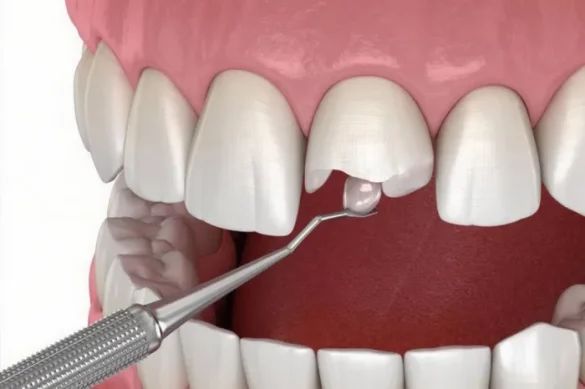
Discovering you have a broken tooth, especially one with a cavity, can be alarming and even painful. Teeth are strong, but decay, trauma, or even biting on something hard can lead to damage that requires immediate attention. Understanding what steps to take, what treatments are available, and why prompt action matters can make all the difference in protecting your oral health and restoring your smile.
Understanding Broken Teeth and Cavities
Teeth can break or crack due to various reasons, including accidental trauma, biting on hard objects, grinding, or underlying decay caused by cavities. When a cavity weakens a tooth, even soft foods or regular chewing can eventually lead to fractures or chips. The severity of the break can range from minor chips affecting only the enamel to cracks that reach deep into the root. If the tooth is broken and also has a cavity, quick intervention is essential to prevent disease from spreading.
Types of Broken Teeth
Dentists classify broken teeth in several ways:
- Craze Lines: These are hairline cracks in the enamel and are usually harmless.
- Fractured Cusp: A piece of the tooth’s chewing surface breaks off, often near a filling.
- Cracked Tooth: A vertical crack runs from the chewing surface toward the root.
- Split Tooth: The tooth is split into distinct segments, sometimes extending into the gum.
- Vertical Root Fracture: The crack starts below the gum line and moves upward.
Each type requires a different approach to restoration, and having a cavity present makes the repair more complex.
Why Cavities Increase Risk of Broken Teeth
Cavities form when bacteria attack the tooth’s surface, demineralizing and dissolving enamel and dentin. As the tooth structure is compromised, normal biting forces can be enough to cause a break. Treating both the cavity and the break is crucial because bacteria can enter deeper parts of the tooth, leading to infection, pain, and even tooth loss.
What to Do If You Break a Tooth With a Cavity
If you break a tooth and suspect or know there is a cavity, follow these steps:
- Rinse your mouth gently with warm water to remove debris.
- Apply an ice pack to the outside of your cheek if there is swelling.
- Avoid chewing on the affected side.
- Take non-prescription pain relief if needed.
- Seek dental care as soon as possible. Do not attempt home repairs; only a dentist can provide safe and effective treatment.
Diagnosis: How Dentists Identify the Problem
Dentists use a combination of visual examination, special staining dyes, dental probes, and X-rays to assess the extent of the damage. They look for the type and depth of the crack and measure how far the cavity has progressed. Sometimes, advanced imaging like cone beam CT scans is used to evaluate bone loss or deeper fractures.
Treatment Options for Broken Teeth With Cavities
1. Dental Bonding
Composite bonding is often the first line of treatment for minor breaks. The dentist will clean the tooth, remove decay caused by the cavity, and then apply a tooth-colored resin. This material is shaped to match your tooth’s natural structure and hardened with a special light. Bonding is durable and can restore both function and appearance, but it may not be suitable for larger fractures.
2. Fillings
If the cavity is small and the break does not extend deeply, the dentist may repair the tooth using a filling. All decay is removed, the tooth is cleaned, and a filling material such as composite or amalgam is placed to rebuild the lost structure. This is a straightforward procedure for minor damage.
3. Dental Crowns
When the tooth is badly chipped or has a fracture that compromises much of its structure, a crown may be recommended. Crowns are custom-made caps (often of ceramic or porcelain) that cover the entire tooth, protecting it and restoring strength. Before placing a crown, the dentist cleans out all cavity material and shapes the tooth to fit the restoration. Crowns can last many years and offer excellent protection.
4. Root Canal Therapy
Sometimes, a break exposes the tooth’s nerve or pulp, and bacteria from the cavity may have caused infection. In these cases, a root canal is necessary. The dentist removes the damaged or infected pulp, disinfects the inside of the tooth, and seals it. The tooth usually needs a crown afterward for full protection. Root canals save the tooth from extraction and relieve pain.
5. Dental Veneers
Veneers are custom-made porcelain shells designed to cover the front of the tooth. They are best for cases where only the front of the tooth is damaged, and the cavity has not compromised the inner structure. The dentist removes some surface tooth material, treats any cavity, and bonds the veneer to the tooth for a natural look.
6. Tooth Extraction and Implants
If the tooth is severely broken and decayed beyond repair, extraction may be the only option. After removing the tooth, the dentist can place a dental implant—a titanium post topped with a crown that looks and functions like a real tooth. Modern implants are strong and long-lasting, but the process can take months from start to finish.
Treatment Duration and Recovery
Repairing a broken tooth with a cavity may take one or more appointments, depending on the chosen treatment. Simple fillings and bonding can be done in a single visit. Crowns, veneers, and implants may require weeks or months. Your dentist will detail the process for your specific situation.
The Importance of Timely Treatment
Leaving a broken, decayed tooth untreated can lead to infection, abscesses, bone loss, and even systemic health issues. Prompt dental treatment not only relieves pain but also prevents further complications.
Preventing Future Breaks and Cavities
Protect your teeth by practicing good oral hygiene: brush twice daily with fluoride toothpaste, floss regularly, and visit your dentist for routine checkups. Avoid chewing hard objects like ice, hard candy, or using your teeth as tools. If you grind your teeth, ask your dentist about a mouth guard. Wearing a sports mouth guard can help prevent trauma during physical activities.
Conclusion
Fixing a broken tooth with a cavity is not something you can do at home—professional dental treatment is essential. From fillings and bonding to crowns and root canals, modern dentistry offers reliable, long-lasting solutions to restore your tooth and safeguard your health. Early intervention produces the best outcomes, so see your dentist promptly if you suspect a problem.
Frequently Asked Questions
How do I know if my broken tooth has a cavity?
You may notice pain, sensitivity, visible decay, or discoloration. Only a dentist can diagnose cavities accurately and assess the break.
Can a broken tooth with a cavity heal on its own?
No, teeth cannot heal themselves. Treatment is necessary to prevent complications.
Which treatment is best for a broken tooth with a cavity?
The choice depends on the severity of the break and the extent of the cavity. Your dentist will recommend the most appropriate option after examination.
Is repairing a broken tooth with a cavity painful?
Most dental procedures are performed under local anesthesia, so you should not feel significant pain during treatment. Mild discomfort afterward is normal.
How can I prevent teeth from breaking in the future?
Maintain good oral hygiene, avoid hard foods, use mouth guards, and see your dentist regularly for early detection and preventative care.