


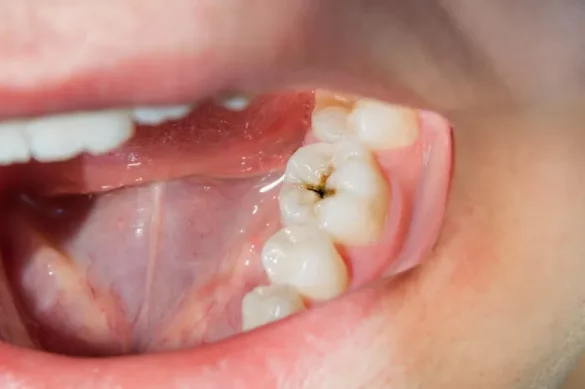
Gum pain is a frequent concern for many people and often raises worries about dental health, particularly the possibility of having a cavity. Many individuals wonder if pain in their gums automatically means they have a cavity or if it can signal other oral health problems. Understanding the causes of gum pain and its relationship with cavities is important in maintaining a healthy mouth and preventing unnecessary anxiety.
What Is Gum Pain?
Gum pain refers to discomfort or soreness in the tissue surrounding your teeth, also known as your gingiva. This pain can range from mild tenderness to severe aches and may affect just one spot or the entire mouth. Often, gum pain is described as throbbing, sharp, or dull. It can be temporary or persistent, depending on the underlying cause.
Causes of Gum Pain
Gum pain does not necessarily mean you have a cavity. There are several potential causes, some harmless and others more serious. The most common causes include:
Periodontal Disease (Gum Disease)
Periodontal disease, commonly called gum disease, occurs when plaque accumulates on the teeth and hardens into tartar that irritates and inflames the gums. Early stages of gum disease, called gingivitis, may cause gums to bleed, become red, and feel sore. As gum disease progresses, symptoms can include pain, bad breath, swelling, and even tissue recession. In advanced cases, untreated gum disease may even lead to tooth loss.
Tooth Sensitivity
Sensitive teeth can cause pain in both the teeth and gums, especially when consuming hot, cold, or sugary foods and drinks. This sensitivity happens when the enamel is worn down or the gums recede, exposing the tooth roots. Gum pain from sensitivity is usually sharp and sudden but may disappear quickly. Over-the-counter toothpaste designed for sensitive teeth can help reduce discomfort, but ongoing or severe pain should be checked by a dentist.
Trauma or Injury
Gum pain can result from trauma, such as brushing too hard, using a toothbrush with stiff bristles, flossing aggressively, eating hard or crunchy foods, or sustaining an injury during sports or a fall. Such trauma can make gums sore, red, or even cause minor bleeding, but usually heals within days. Protecting your gums and using gentle techniques during oral hygiene can prevent pain from injury.
Gum Abscess or Infection
A gum abscess is a pocket of pus developing in the gums due to infection, often caused by trapped food or bacteria. Abscesses are usually painful and can cause swelling, redness, and sometimes fever. The pain tends to be severe and requires professional dental treatment.
Cavity (Tooth Decay)
Cavities are holes or areas of decay in the teeth caused by bacteria breaking down sugars on the tooth’s surface. While cavities themselves often cause pain in the affected tooth, they can sometimes lead to gum discomfort if the decay is near the gum line or between teeth. In such cases, pain may be felt during biting, chewing, or when the cavity has progressed to affect deeper tooth structures.
Impacted Tooth
For some people, especially those with wisdom teeth, gums may become painful if an impacted tooth cannot erupt properly. This can lead to swelling, tenderness, and persistent discomfort in the affected area. If left untreated, an impacted tooth can cause more severe dental problems.
How to Tell If Gum Pain Is Due to a Cavity
Not all gum pain means a cavity. If the pain is associated specifically with a tooth, is localized, and is accompanied by other symptoms such as sensitivity to temperature, visible spots or stains, or pain when chewing, a cavity may be present. Cavities between teeth are especially difficult to see but might produce pain when chewing or biting down. Sometimes, gum pain from a cavity may also be accompanied by bleeding or irritation in the gums adjacent to the decayed tooth.
However, if gum pain is related to general soreness, swelling, or redness of the gums — especially without tooth pain — gum disease or another issue is more likely. Gum pain from periodontal disease tends to affect larger areas and is less sharp than cavity pain. Diagnosing the cause of gum pain requires a thorough dental examination, sometimes including X-rays or a visual assessment to check for cavities, gum disease, or other concerns.
Other Dental Conditions That Cause Gum Pain
Bruxism (Teeth Grinding)
Individuals who grind their teeth may not realize the impact on their gums. Excess pressure from grinding can cause soreness in the gum tissue, jaw pain, and headaches. Management often includes a custom night guard and stress reduction strategies.
Cracked or Damaged Teeth
Physical damage to teeth, such as cracks or chips, can sometimes lead to gum pain if sharp edges irritate the soft tissue or if injury extends below the gum line. Cracked tooth pain typically intensifies during biting, chewing, or with temperature changes.
Food Trapped Around Teeth and Gums
Food particles stuck between teeth or under gums can lead to localized soreness and discomfort. If left uncleared, trapped food can lead to infection or a cavity in the area, but the initial pain may simply be irritation. Regular flossing and professional cleanings help prevent trapped food from causing gum pain.
Why Early Diagnosis Is Important
Ignoring gum pain can allow underlying oral health problems to worsen. Cavities, gum disease, or abscesses may all progress if left untreated. Early diagnosis and treatment usually mean less discomfort, easier procedures, and healthier teeth and gums.
Dentists use a variety of tools to diagnose the source of pain. These include:
- Dental examination: inspecting teeth and gums visually
- X-rays: to spot cavities, cracks, or bone loss
- Gum assessment: checking for bleeding, swelling, or recession
Once the cause is identified, appropriate treatment can begin. For cavities, fillings may be used. For gum disease, professional cleaning and sometimes medication are recommended. Abscesses and deep infections may require drainage and antibiotics.
When to See a Dentist
If you experience persistent gum pain, pain that interferes with eating or sleeping, or notice other worrisome symptoms such as bleeding, swelling, or visible changes in your oral tissues, it is important to visit your dentist promptly. Even if gum pain goes away on its own, underlying causes like cavities or gum disease may still require attention to prevent future problems.
Preventing Gum Pain and Cavities
Good oral hygiene is key to preventing gum pain and cavities. Follow these fundamental steps:
- Brush teeth thoroughly twice daily using a soft-bristled toothbrush
- Floss daily to remove food and plaque between teeth
- Use an antiseptic mouthwash if recommended by your dentist
- Avoid sugary foods and drinks which can promote tooth decay
- Visit your dentist regularly for routine check-ups and cleanings
Conclusion
Gum pain is not always an indicator of a cavity. It can result from many factors, including gum disease, sensitivity, injury, or other oral health conditions. Cavities may cause pain in the gums if located near gum tissue, but many other causes are possible. The only way to determine whether gum pain indicates a cavity is by visiting a dentist for a professional exam. Proper oral hygiene, routine dental care, and early attention to symptoms ensure a healthy mouth and prevent serious complications.
Frequently Asked Questions
Does gum pain always mean I have a cavity?
No, gum pain can be caused by gum disease, sensitivity, injury, or other dental conditions. Only a dentist can confirm if a cavity is present.
If my gums hurt but my teeth don’t, should I worry about cavities?
Gum pain without tooth pain is more likely due to gum disease or irritation. Cavities often cause tooth pain rather than widespread gum discomfort.
Can gum disease cause pain similar to a cavity?
Yes, gum disease can cause pain, swelling, and bleeding that may feel similar to cavity pain. Both require attention from a dental professional.
What should I do if I have gum pain?
Maintain good oral hygiene and schedule an appointment with your dentist to identify the cause and receive appropriate treatment.
How do dentists diagnose whether gum pain is due to a cavity or other problems?
Dentists use visual exams, X-rays, and gum assessments to pinpoint the cause of pain and plan treatment.