


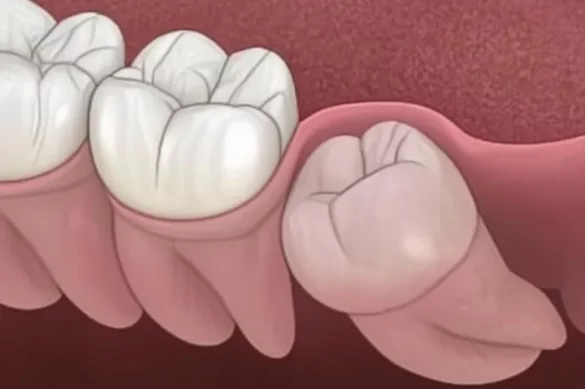
Many people encounter problems with their wisdom teeth, the third set of molars that typically emerge in late adolescence or early adulthood. Unlike other teeth, wisdom teeth often attempt to erupt sideways rather than following a straight path. This unusual development can lead to discomfort, dental complications, and the need for surgical removal. Understanding why wisdom teeth come in sideways can help you recognize issues early and take appropriate action to protect your oral health.
What Are Wisdom Teeth?
Wisdom teeth are the final set of molars located at the back of the mouth. These teeth normally appear between the ages of 17 and 25. While some people have enough space in their jaw for wisdom teeth to emerge correctly, many do not, which can result in abnormal growth patterns. Dentists call this sideways eruption “horizontal impaction,” and it often means the tooth is pushing toward neighboring molars rather than erupting upright.
Why Do Wisdom Teeth Come in Sideways?
Lack of Space in the Modern Jaw
The most common reason wisdom teeth come in sideways is insufficient space in the jaw. Over thousands of years, the size of the human jaw has gradually reduced. This change occurred as humans shifted from eating tough, raw foods to a diet that is softer and easier to chew. With less need for extra molars, our jaws shrank, but wisdom teeth continue to develop in most individuals. As a result, there is not enough space for wisdom teeth to erupt properly, pushing them to come in at odd angles—including sideways.
Crowding and Misaligned Existing Teeth
If your teeth are already crowded or not properly aligned, wisdom teeth can struggle even more to find space. They may push against the neighboring molars, causing other teeth to shift. This further increases the chance of sideways growth because the wisdom teeth must take whatever path is available, often horizontally under the gumline.
Impaction and Disturbed Pathways
Impaction happens when the wisdom teeth cannot fully break through the gum or remain trapped within the jawbone. When a tooth is impacted, it may develop sideways, pressing directly into the roots of adjacent molars. The term “horizontal impaction” describes teeth that are positioned at a right angle beneath the gums. These teeth will not erupt normally and remain hidden, potentially causing unseen problems.
Evolutionary Factors
Humans once needed large jaws and extra molars to grind tough foods. As diets became softer and easier to chew, the evolutionary need for extra teeth lessened, but wisdom teeth still form during development. Modern jaws do not usually have room for these additional teeth. This evolutionary mismatch is a root cause of many wisdom teeth problems.
Symptoms and Risks of Sideways Wisdom Teeth
Pain and Discomfort
Sideways wisdom teeth often cause pain, especially in the back of the mouth. This pain can range from mild discomfort to severe, throbbing aches. Sometimes the pain is due to impaction or the pressure applied to neighboring teeth and jawbone.
Damage to Other Teeth
When a wisdom tooth grows in sideways, it can push against other molars. This pressure may lead to tooth shifting, overcrowding, and damage to roots or enamel. Over time, the alignment of other teeth can change, resulting in bite problems and difficulty cleaning between teeth.
Increased Infection Risk
Partially erupted or impacted wisdom teeth can create flaps of gum tissue. These flaps collect food particles and bacteria, making it harder to keep the area clean. This environment increases the risk of cavities, gum disease, and tooth infections. Sometimes, infections spread to deeper tissues, causing swelling and more serious complications.
Formation of Cysts
Though rare, horizontal impaction can lead to the development of dental cysts or jaw cysts. These are fluid-filled sacs that may grow around the impacted tooth. If left untreated, cysts can damage the jawbone and neighboring teeth, sometimes requiring surgical intervention.
Gum Disease and Periodontal Problems
Impacted or misaligned wisdom teeth make it difficult to maintain proper oral hygiene. The position and depth of the teeth limit access for cleaning, increasing the risk of gum disease. Periodontal problems can cause bleeding, pain, and swelling around the wisdom tooth area. In some cases, the infection can spread beyond the mouth, affecting general health.
Diagnosis and Monitoring
Dental X-Rays
Dentists use X-rays to track the position and development of wisdom teeth. Yearly dental checkups and imaging can reveal if wisdom teeth are growing sideways or becoming impacted. Early detection is critical for effective treatment and prevention.
Regular Dental Examinations
Routine visits to the dentist allow for early identification of potential issues before symptoms become severe. Your dentist will evaluate your teeth alignment and monitor the growth of wisdom teeth, especially during your late teens and early twenties.
Treatment Options for Sideways Wisdom Teeth
Early Intervention
Dentists often recommend evaluating wisdom teeth during adolescence. Extracting wisdom teeth before they are fully developed can simplify the procedure and improve healing. Early intervention prevents complications, including infection and damaging neighboring teeth.
Surgical Extraction
When wisdom teeth are impacted or causing issues, oral surgeons may perform wisdom tooth extraction. This procedure involves removing the problematic molars to prevent or address pain, infection, and alignment problems. Today, dental professionals use advanced techniques and anesthesia to ensure safety and comfort during surgery.
Aftercare and Recovery
After extraction, it’s important to follow proper aftercare instructions. This includes maintaining good oral hygiene, managing swelling and pain, and attending follow-up visits. Recovery is usually faster when teeth are removed before significant complications develop.
Preventing Problems Associated With Sideways Wisdom Teeth
While you cannot prevent wisdom teeth from forming, you can minimize risks associated with sideways growth. Staying proactive with dental appointments and X-rays allows early detection. Following dentist advice and scheduling removals when needed can protect your oral health and prevent future issues.
Conclusion
Wisdom teeth often come in sideways due to a lack of space in the jaw, evolutionary changes, and misalignment of existing teeth. Sideways wisdom teeth can lead to pain, damage to other teeth, infection, and additional complications like cysts or gum disease. Early diagnosis and professional intervention are the best strategies for minimizing risks and protecting oral health. Regular dental checkups, X-rays, and proper aftercare following wisdom tooth extraction are essential parts of managing this common issue.
FAQs
Why do wisdom teeth come in sideways more often now?
Changes in human diet and evolution have led to smaller jaw sizes. Since wisdom teeth are no longer necessary for chewing tough foods, many people do not have enough room for them, causing them to grow sideways.
What are the warning signs of sideways wisdom teeth?
Common signs include pain at the back of the mouth, swelling, difficulty opening your mouth, and shifting teeth. Routine dental X-rays provide early warning, even before symptoms develop.
Is removal always necessary for sideways wisdom teeth?
Not all sideways wisdom teeth require removal. Dentists recommend extraction when there is pain, risk of infection, or damage to neighboring teeth. Each case is evaluated based on severity and associated symptoms.
How painful is wisdom tooth extraction?
Modern dental surgery uses anesthesia and pain management, making extraction generally comfortable. Some soreness and swelling are normal after the procedure, and recovery usually occurs in a few days to a week.
Can sideways wisdom teeth cause problems later in life?
Yes. Sideways wisdom teeth can lead to infections, gum disease, cysts, and misalignment of other teeth. These problems may worsen with age, making early intervention important.