


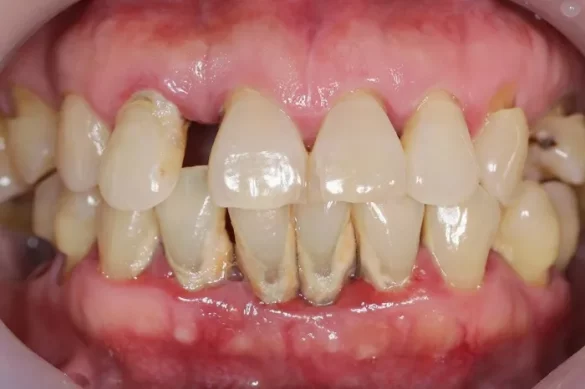
Cavities can appear anywhere on the teeth, but those that develop where your tooth meets your gums—known as gum line cavities—often go unnoticed until they become a serious problem. Understanding what a gum line cavity looks like can help you catch signs of decay early and protect your oral health.
What Is a Gum Line Cavity?
A gum line cavity is a type of tooth decay that forms on the surface of the tooth, right where it meets the gums. It may sit just above the gum line or dip slightly below into the area covering the tooth root. Gum line cavities are especially common in older adults or those with receding gums, but anyone can develop them.
The Early Stage: White or Chalky Spots
At the earliest stage, a gum line cavity may look like a faint white, dull, or chalky spot near your gum line. This is known as demineralization—the first warning sign that acids from plaque are starting to remove minerals from your tooth’s enamel or cementum (the root’s outer layer).
In this early period, you likely will not experience pain or discomfort. The spot might not be visible unless you look closely in good lighting. Dentists are especially trained to spot these early changes during routine check-ups. At this stage, the damage can often be reversed with improved oral hygiene and professional fluoride treatments.
Progression: Darkening Spots and Pits
If a gum line cavity continues to develop, the white spot can slowly turn into a light brown stain, a dark brown patch, or even a black area. The transition in color happens as the weakened enamel or cementum further breaks down, allowing bacteria and food debris to stain the area.
At this point, the cavity becomes more obvious. You may also notice:
- A visible brown or black spot at the gum line
- Increased sensitivity to hot, cold, or sweets in the affected area
- Occasional sharp pain or discomfort, especially when brushing or when eating
If the cavity advances, you might see or feel a small hole or pit at the gum line. This hole can be rough or crater-like and may catch food or your dental floss. Cavities below the gum line are called root cavities and are even more problematic since roots are softer and more vulnerable to damage than enamel.
Advanced Signs: Visible Holes and Gum Changes
When decay gets severe, the cavity at your gum line may turn into a larger, more noticeable hole. This can expose the soft interior of your tooth and, if below the gum line, the root itself. Such advanced cavities are often accompanied by:
- Swollen, red, or bleeding gums
- Bad breath that doesn’t resolve with brushing
- A persistent toothache or throbbing pain
- Pus or swelling if the cavity becomes infected
A visible hole at the gum line should never be ignored. At this point, professional dental treatment is necessary to prevent further damage or tooth loss.
Why Gum Line Cavities Are Easy to Miss
Not all gum line cavities are easy to spot. Because of their location, you may not see the first changes unless you examine your teeth carefully each day. Some cavities only become obvious during routine dental X-rays, especially when hidden between teeth or slightly beneath the gum tissue.
Additionally, not every white or brown spot is a cavity. It could be staining from food, fluorosis, or even a side effect of medication or genetics. Only a dentist can confirm if a spot is truly the start of a cavity.
What Causes Gum Line Cavities?
Gum line cavities mainly develop due to the buildup of plaque, which is a sticky film of bacteria that forms when you eat or drink. The bacteria produce acid from sugar, attacking the tooth surface at the gum line. Contributing risk factors include:
- Poor brushing or flossing habits
- Consuming a high-sugar diet
- Dry mouth (reduced saliva flow)
- Receding gums, exposing softer, more vulnerable tooth tissue
- Aging (gum recession is more common as we age)
The cementum layer that covers tooth roots under the gums is much softer than enamel. If exposed by gum recession, it decays much faster, allowing cavities to form and progress rapidly.
How to Recognize a Gum Line Cavity
To check for gum line cavities, try these steps:
- Use a mirror and good lighting to examine the area where your teeth meet your gums.
- Look for any spots that are white, brown, or black, or any pits that catch your fingernail or floss.
- Pay attention to any sensitivity or discomfort, especially after eating hot, cold, or sweet foods.
If you notice these signs, schedule a dental exam right away. Your dentist will use visual inspection and X-rays to determine the extent of decay.
Treatment Options
Treatment depends on the stage and location:
- Early-stage gum line cavities (white spots): Remineralization is possible with professional fluoride treatment and improved brushing and flossing.
- Visible holes or advanced decay above the gum line: Dentists remove decayed material and use a filling (usually composite resin) to restore the tooth.
- Decay below the gum line (root cavities): More extensive work may be needed, sometimes including a root canal and crown if the tooth’s pulp is affected.
If the cavity is caught early, the process is simple and painless. But once a pit or hole forms, and especially if the root is involved, ignoring the problem can cause severe pain, infection, and potential tooth loss.
Prevention: The Best Approach
You can prevent most gum line cavities by:
- Brushing with a fluoride toothpaste twice daily, focusing extra attention on the gum line
- Flossing every day, making sure you clean where the gum and tooth meet
- Seeing your dentist for check-ups and cleanings at least twice per year
- Using a fluoride mouthwash as recommended
- Maintaining a diet low in sugar and acid
- Avoiding tobacco, which can worsen gum disease and recession
Good oral hygiene not only prevents cavities but also reduces the risk of gum disease, another major cause of tooth loss.
Conclusion
A gum line cavity typically starts as a subtle white spot, which later turns brown or black and may become a visible hole or pit where the tooth meets the gum. These cavities are dangerous because they can progress quickly, especially if the roots are exposed. Early detection and intervention are essential. If you notice any unexplained spots, holes, or sensitivity, contact your dentist promptly. Professional care combined with diligent oral hygiene is the best way to prevent gum line cavities and protect your smile for life.
Frequently Asked Questions
What does a cavity look like at the gum line?
A gum line cavity usually begins as a faint, chalky white spot and can progress to a brown or black stain, eventually forming a hole or pit near the gums. Sometimes, it can be so subtle that only your dentist can spot it early.
Are gum line cavities more serious than other cavities?
Gum line cavities can be more serious if they progress below the gum line and affect the tooth root, which is softer and decays faster than the enamel. Advanced cases may require root canal treatment or crowns, so early treatment is key.
Can you reverse a cavity at the gum line?
In the earliest stage (when it’s just a white spot), remineralization is possible with fluoride treatments and good hygiene. Once a hole or pit has developed, professional filling or more complex dental treatment is generally required.
Who is most at risk for gum line cavities?
Older adults with receding gums, people with poor brushing or flossing habits, and anyone with a dry mouth or a high-sugar diet face higher risks.
How can I prevent cavities near my gums?
Brush and floss daily with attention to the gum line, use fluoride toothpaste, limit sugary snacks and drinks, and schedule regular dental check-ups to catch early signs of decay.