


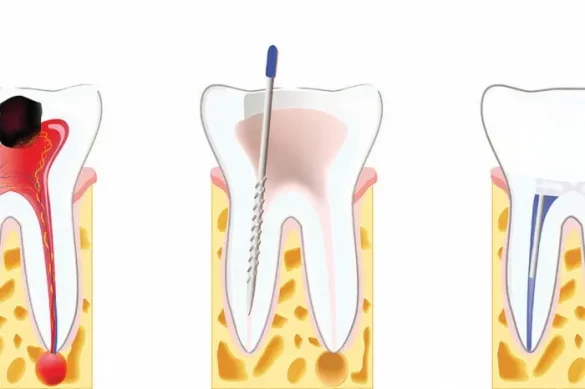
Root canal treatment is one of the most commonly performed procedures in dental practice today. While it is often considered the best choice for saving a decayed or infected tooth, it is important to recognize that a root canal is not without risks and disadvantages. Understanding both the benefits and negatives of this procedure helps patients make well-informed choices about their oral health.
What Is a Root Canal?
A root canal is a dental procedure used to treat infection or damage inside a tooth. The dentist removes the diseased or dead pulp from the pulp chamber, which consists of nerves, blood vessels, and connective tissue. After thorough cleaning, the cavity is disinfected and sealed to prevent infection. Often, a crown is placed on the tooth for full function and protection.
Weakening of the Tooth Structure
One significant negative of root canal treatment is that it weakens the tooth. To remove the infected pulp, the dentist drills an opening in the tooth. This removes both infection and much of the inner structure that gives the tooth strength. Once the core tissue is removed, the tooth becomes hollow and more brittle. Even with restorative solutions like crowns, the tooth does not regain its natural strength. A weakened tooth is more susceptible to fractures and may require additional repairs in the future.
Possibility of Lingering or Recurrent Infection
While root canals are designed to remove infection, there is no guarantee that all bacteria are eliminated from the tooth’s intricate canal systems. Tooth anatomy can be complex, with many small accessory canals and microscopic tubules branching from the main canal. Even with advanced cleaning methods, some bacteria may remain inside. If any bacteria or infected tissue is left behind, the risk of persistent or recurrent infection increases. In these cases, patients may need additional root canal treatments or minor surgical procedures such as an apicoectomy.
Potential for Tooth Discoloration
After a root canal, the treated tooth may become discolored or darken over time. This is mainly due to the removal of living tissue and the lack of blood supply within the tooth. Tooth color changes do not affect function but may lead to esthetic concerns, especially for teeth visible when smiling or speaking. Dentists often recommend crowns to restore both the structure and appearance of the affected tooth.
Dental Procedure May Require Multiple Visits
Although some root canals are performed in one appointment, complicated cases might necessitate two or more visits. The dentist may need to apply medication between sessions to fully remove infection. Additionally, a crown or other final restoration is often created in a separate appointment. These multiple visits can be inconvenient, especially for those with busy schedules.
Increased Costs Linked to Root Canal Treatment
Root canal therapy, combined with restorative treatment such as crowns, can be costly, especially if complications develop. Re-treatment, additional visits, or surgery add to the overall cost. Compared to tooth extraction, the initial investment is higher, although long-term maintenance of natural teeth may offset some expenses.
Post-Treatment Sensitivity and Discomfort
Some patients experience ongoing sensitivity or discomfort after root canal treatment. Though most discomfort resolves within a few days, it is possible for pain or pressure to persist due to inflammation, incomplete cleaning, or issues with the dental restoration. Persistent pain must be evaluated by a dental professional to rule out further underlying problems.
Potential Systemic Health Concerns
Recent discussions among researchers and biologically-focused dentists have raised questions about the long-term systemic effects of root canal-treated teeth. Healthy teeth contain living tissue that is nourished and protected by blood supply. After the pulp is removed, the tooth is essentially dead, but it is left in the mouth as a functional structure.
Because the root canal system is never completely sterilized, some experts believe that bacteria can survive in the microscopic tubules and canals within the tooth. These bacteria may generate toxins, which could potentially enter the body through the root tips. While the majority of root canal-treated teeth remain trouble-free, a small percentage of people may develop chronic or systemic issues such as autoimmune conditions, musculoskeletal pain, or general fatigue that some experts attribute to low-grade persistent infection.
Although there is no broad scientific consensus that root canals cause these diseases, patients should be aware that such risks are being researched. Individual susceptibility may depend on genetic factors, immune function, and pre-existing conditions. For most people, the overall risk is low, but it is still an important consideration.
Not All Root Canal Treatments Are Successful
Success rates for root canals are generally high, but failure can occur. If the cleaning is incomplete, infection may persist. Added factors such as poor oral hygiene, failed restorations, or new cracks in the tooth can lead to reinfection. Failed root canal treatments may require retreatment, surgical procedures, or ultimately, extraction of the tooth.
The Tooth Is No Longer Living
While saving the tooth’s structure, a root canal results in a non-vital tooth. Living tissue has natural defenses against infection and injury. Once the tooth is dead, it does not regenerate or repair itself. Over time, natural wear and tear can lead to additional structural problems.
Possible Complications After Root Canal
Complications are not common but can happen. Sometimes, dental instruments can break inside the canal. In rare cases, untreated canals are missed entirely, or a restoration fails to seal out bacteria. These problems can allow infection to persist or reoccur, sometimes requiring more invasive treatments in the future.
Informed Decision-Making Is Key
Every dental procedure involves weighing the advantages against the potential drawbacks. Patients should ask their dentist questions, understand all options—including extraction and implant placement—and agree on a plan that fits their needs and preferences. Dentists often recommend root canals to preserve functional and esthetic benefits, but all potential negatives should be openly discussed.
Conclusion
Root canal treatment remains a valuable dental procedure for saving natural teeth and preventing extraction. However, it is not without disadvantages. These include weakened tooth structure, potential for persistent infection, discoloration, multiple dental visits, increased costs, and possible systemic effects. Not all treatments are successful, and post-treatment pain or complications can occur. Understanding the negatives of a root canal empowers patients to make informed decisions about their oral health, in partnership with trusted dental professionals.
FAQs
1. Is a root canal painful?
Most root canals today are performed under local anesthesia and are relatively comfortable. Any lingering pain is usually temporary.
2. Can infection return after a root canal?
While most root canals are successful, persistent or recurrent infection is possible if bacteria are not entirely eliminated.
3. Is it better to extract the tooth?
Extraction may be an option, but it can lead to problems like shifting teeth and loss of chewing function. It is best to discuss both options with your dentist.
4. Are there long-term risks to my health after a root canal?
Some discussions suggest potential risks for certain individuals. While the scientific consensus is not clear, discuss any concerns with your dentist or a specialist.
5. Will I need a crown after a root canal?
Crowns are often recommended to protect and restore the function of the treated tooth, especially in molars and premolars.