


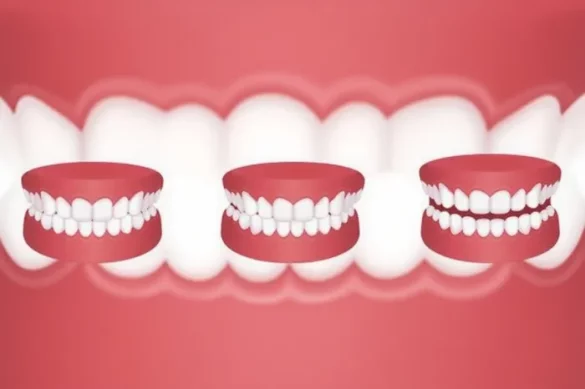
Bruxism, or tooth grinding, is a huge circumstance that impacts the tooth and jaw, regularly inflicting ache and discomfort. Many humans do now no longer recognize they grind their tooth till signs and symptoms start to intervene with their day by day lives. A key query arises: Is bruxism from tension? This article ambitions to offer a clean evaluate of the connection among tension and bruxism, which includes signs and symptoms, causes, and remedy alternatives for the ones affected.
What Is Bruxism?
Bruxism is the involuntary grinding, clenching, or gnashing of tooth. It regularly takes place in the course of sleep, however also can manifest whilst someone is awake, specially whilst they’re deep in idea or stressed. Many humans are unaware they be afflicted by bruxism till they revel in signs and symptoms including jaw ache, headaches, or broken tooth. Diagnosis commonly comes from dentists who observe symptoms and symptoms in the course of ordinary examinations.
Common Symptoms of Bruxism
Bruxism offers a lot of signs and symptoms that may have an effect on each the tooth and surrounding muscles. Simple symptoms and symptoms include:
- Jaw ache or stiffness
- Regular headaches
- Earaches
- Facial discomfort
- Worn or cracked tooth
- Tooth sensitivity
- Disrupted sleep patterns
Often, those signs and symptoms seem regularly and are greater intense in instances wherein grinding takes place regularly. Some humans may also revel in simplest moderate discomfort, whilst others be afflicted by full-size enamel harm or jaw disorders.
The Link Between Bruxism and Anxiety
Scientific research display a clean connection among bruxism and intellectual fitness disorders, in particular tension and pressure. In fact, studies estimates that as many as 70% of bruxism instances may be traced to mental factors. Anxiety triggers muscle anxiety withinside the jaw, main many people to grind or clench their tooth subconsciously.
Stressful events, job-associated stress, and emotional demanding situations can expand bruxism signs and symptoms. For example, experts running in high-stress environments regularly record better fees of tooth grinding. People missing powerful pressure control talents can be at more risk. Emotional pressure also can get worse sleep disruptions, growing the probabilities of middle of the night bruxism.
Brief Overview of Scientific Evidence
Multiple research factor closer to an affiliation among continual pressure, tension, and accelerated jaw muscle activity. Researchers discover that folks that revel in anxious situations, including the ones related to place of job conflicts or non-public crises, are much more likely to broaden bruxism. Those who can not system or deal with tension efficaciously may also show up their pressure thru tooth grinding, in particular in the course of sleep.
Other Factors Contributing to Bruxism
While tension is a prime factor, bruxism does now no longer usually have a unmarried cause. It also can end result from:
- Sleep disorders, including sleep apnea
- Excessive use of alcohol or tobacco
- Some medications, specially the ones affecting the frightened system
- Poor chunk alignment or dental problems
- Genetic predisposition
Lifestyle conduct which includes ingesting caffeinated beverages, abnormal sleep styles, and substance use can in addition worsen bruxism. Addressing those elements is important in controlling and stopping enamel grinding.
The Importance of Early Detection and Intervention
Many patients forget about early symptoms and symptoms of bruxism, believing signs and symptoms are transient or unrelated to their intellectual health. However, neglecting the hassle can result in long-time period complications, together with worn enamel, jaw disorders, and persistent pain. Dentists propose normal checkups to identify early harm and intrude earlier than lasting damage happens.
Recognizing accelerated tension on your existence is similarly important. Ask your self when you have these days confronted annoying events, demanding situations at paintings, or non-public problems that might growth tension. Talking overtly approximately your signs and symptoms with a healthcare issuer can assist find a connection and manual remedy.
Potential Treatments and Solutions
Today, more than one procedures exist for treating bruxism, particularly while tension is a root cause. These include:
Cognitive Behavioral Therapy (CBT)
CBT is a broadly used healing approach that enables human beings perceive and control tension-scary mind and conduct. Through guided sessions, people can study coping strategies and strain discount techniques to lower bruxism episodes.
Improving Sleep Hygiene
Because bruxism regularly happens at some stage in sleep, adopting normal sleep workouts and growing a relaxing bedtime surroundings may also assist. Simple steps which includes lowering display time earlier than bed, sticking to a steady sleep schedule, and averting stimulating materials could make a giant difference.
Lifestyle Modifications
Limiting caffeine, alcohol, and tobacco consumption can lessen each tension and bruxism signs and symptoms. Daily exercise, meditation, and rest physical activities sell higher intellectual health. Managing strain tiers in paintings and private existence contributes to usual jaw and dental health.
Dental Interventions
Dentists may also propose custom mouth guards or splints to shield enamel from grinding harm, particularly at night. These gadgets offer a barrier, lowering put on and tear at the same time as assuaging discomfort. In extreme cases, dental remedy can be had to restore broken enamel or accurate chunk problems.
Professional Support and Guidance
Consulting healthcare professionals, which includes doctors, dentists, or therapists, is important for correct prognosis and remedy planning. Open conversations approximately stressors and signs and symptoms permit for individualized care.
Preventing Bruxism
Prevention begins offevolved with self-attention and healthful conduct. If you note telltale signs and symptoms, display styles on your day by day strain and sleep. Address reassets of hysteria promptly, and are seeking expert assist if needed. Regular dental visits make certain that minor dental put on is detected early, growing the possibilities of a success remedy.
Recognizing the Vicious Cycle
Bruxism and tension frequently feed off every different. Poor sleep and jaw ache because of enamel grinding can growth strain, which then results in greater bruxism. Recognizing this cycle is fundamental to breaking it, both via strain control strategies or scientific therapy. Remember, decreasing tension can result in fewer episodes of bruxism, at the same time as controlling bruxism also can ease tension.
Conclusion
Bruxism is a not unusualplace ailment that may critically effect oral and popular fitness. Anxiety and strain are principal contributors, however different life-style elements and clinical situations additionally play a role. Early recognition, right dental care, and intellectual fitness help provide the high-quality risk for a hit control. Awareness of signs and symptoms and proactive intervention are the primary steps closer to a ache-free, more healthy life.
FAQs
What are the principle symptoms and symptoms of bruxism?
Common symptoms and symptoms consist of jaw ache, headaches, enamel sensitivity, and cracked enamel.
Can treating tension forestall enamel grinding?
Yes, addressing tension and strain normally results in a discount in bruxism signs and symptoms.
Is bruxism continually associated with tension?
No, at the same time as maximum instances are connected to tension, different elements like sleep issues and life-style selections also can motive bruxism.
What must I do if I suspect I even have bruxism?
Schedule a dental checkup and talk your signs and symptoms with a healthcare provider. Early intervention can save you excessive damage.