


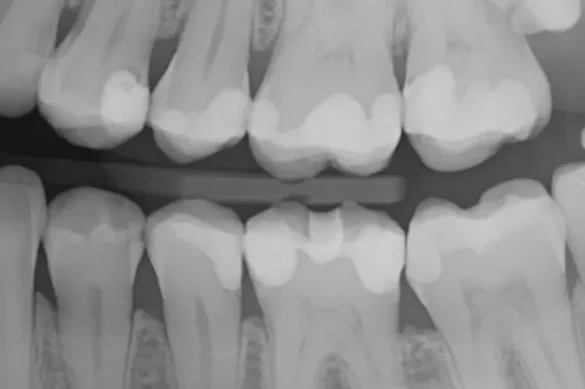
Bitewing X-rays play a essential position in dental care, presenting dentists a method to take a look at enamel for hidden cavities and display universal oral fitness. While they’re in particular beneficial for revealing decay among enamel and below current fillings, understanding their strengths and barriers facilitates sufferers make knowledgeable selections approximately their dental ordinary.
What Are Bitewing X-Rays?
Bitewing X-rays are a kind of dental radiograph normally used for the duration of ordinary dental appointments. The manner entails the affected person biting on a wing-formed holder that positions a sensor or film, permitting the X-ray device to seize specified photos of each the top and decrease enamel at once. These photos spotlight the crowns of the enamel and the bone degree among them, presenting important data unseen for the duration of everyday visible exams.
Why Dentists Rely on Bitewing X-Rays
The number one benefit of bitewing X-rays lies of their capacity to reveal regions among enamel—spots which are frequently difficult to check out visually. Cavities regularly expand in those spaces, making early detection key to easier and much less invasive treatment. Bitewing X-rays additionally assist song the integrity of dental restorations, display bone ranges for symptoms and symptoms of gum disease, and take inventory of oral fitness over time.
How Cavities Appear on Bitewing X-Rays
When the X-ray photograph is produced, wholesome enamel fabric absorbs greater radiation and indicates up as lighter regions, at the same time as cavities—due to the breakdown of enamel—take in much less and seem darker. This assessment permits dentists to pinpoint spots of decay, inclusive of the ones hidden below restorations or on the touch factors among enamel.
Types of Cavities Detected
Cavities Between Teeth
Bitewing X-rays are best for locating interproximal cavities, the sort that paperwork among neighboring enamel. These regions are nearly not possible to take a look at directly, so X-rays function a dependable diagnostic device to find out early-degree decay.
Decay Beneath Fillings and Crowns
Sometimes, cavities expand out of sight beneathneath dental fillings or crowns. Bitewing X-rays can monitor symptoms and symptoms of decay, in particular round the rims or below restorations, aleven though heavy metallic fillings may also difficult to understand a few details.
Secondary or Recurrent Cavities
Teeth with preceding restorations are vulnerable to new decay along vintage fillings. Bitewing X-rays assist become aware of those recurrent cavities, presenting dentists with proof to manual similarly treatment.
Limitations of Bitewing X-Rays
Despite their effectiveness, bitewing X-rays have positive barriers.
Early Enamel Decay
Very early cavities, confined to the floor enamel, won’t be seen on X-rays till they develop deeper into the enamel.
Occlusal Cavities
Decay starting at the biting surfaces—the occlusal regions—won’t continually display truely on bitewing photos, until the cavities are large. The number one awareness of bitewing X-rays is the aspect view, so they’re much less perfect for detecting this kind of decay.
Gum Line and Root Cavities
Bitewing X-rays are particularly designed to photo the crown quantities of enamel. For cavities positioned close to or underneath the gum line, different imaging techniques along with periapical or panoramic X-rays offer higher insight.
Metal Restorations
Metal fillings and crowns can block X-ray beams, making it tough to hit upon cavities performing close to or underneath those restorations. Dentists may also want to mix X-rays with medical tests or opportunity imaging strategies in such cases.
Integrating Bitewing X-Rays With Other Dental Tools
Dentists seldom rely totally on bitewing X-rays. Comprehensive examinations additionally contain visible and tactile inspection, affected person history, and further radiographic exams while needed. This multi-pronged technique guarantees that cavities, particularly the ones neglected in a single diagnostic method, are much more likely to be detected elsewhere.
The Science Behind Cavity Formation and Detection
Cavities emerge while micro organism withinside the mouth metabolize sugars, generating acids that erode the teeth. These lesions regularly begin silently, missing signs and symptoms at first. Regular dental visits and bitewing X-rays are critical for intercepting cavities earlier than they grow to be painful or expensive to treat. Yet, dental understanding in comparing signs and symptoms and the use of supplementary diagnostic equipment stays crucial.
Importance of Routine Bitewing X-Rays
As a part of preventive dental care, bitewing X-rays are advocated yearly for adults liable to decay and at periods for others with decrease danger. Children advantage from periodic X-rays as their growing enamel are particularly vulnerable. Early detection now no longer handiest enables maintain enamel shape however additionally prevents complex, pricey remedies down the road.
Do Bitewing X-Rays Find All Cavities?
Bitewing X-rays are incredibly powerful for recognizing many sorts of cavities, especially the ones among enamel and below positive restorations. However, they’ll now no longer monitor very early lesions, cavities out in their range, or the ones masked via way of means of metallic fillings. Dentists use different techniques along bitewing X-rays to obtain a complete diagnosis; a clean X-ray does now no longer continually suggest enamel are freed from decay.
Preventive Steps to Reduce Cavities
Maintaining hollow space-unfastened enamel extends past radiographs. Consistent brushing, flossing, moderating sugary meals intake, and everyday dental checkups are relevant to oral health. Fluoride strengthens teeth and lowers hollow space danger. Individuals at better danger can be coached via way of means of their dentist for greater common X-rays and preventive remedies.
Conclusion
Bitewing X-rays serve an critical position in hollow space detection, particularly among enamel and round current dental paintings. Though they can’t discover all sorts of decay, they paintings in tandem with different diagnostic equipment, making sure that sufferers acquire thorough, attentive care. Good oral hygiene behavior and everyday checkups are key to retaining enamel healthful for years to come.
Common Questions approximately Bitewing X-Rays
Can bitewing X-rays forget about cavities?
Yes, early cavities or the ones in particular places might not seem clearly. This is why dentists integrate a couple of examination strategies to make certain not anything is missed.
How often must bitewing X-rays be taken?
For adults, as soon as a 12 months is typical, until there are chance elements or previous decay. Your dentist will advise a time table desirable on your needs.
Are bitewing X-rays safe?
Bitewing X-rays contain minimum radiation exposure, and protection protocols are strictly followed.
Does a clean bitewing X-ray suggest no cavities?
Not necessarily. Some cavities might also additionally continue to be hidden, mainly whilst new or in hard-to-photograph places. Comprehensive checks assist fill any gaps.
What must I do if signs and symptoms persist regardless of a clean bitewing X-ray?
Notify your dentist approximately any concerns. Further diagnostic exams or opportunity X-rays might also additionally discover hidden issues.