



A severe toothache is a uniquely disruptive experience, capable of bringing everything to a halt, especially in the middle of the night. While the immediate priority is comfort and a return to sleep, the long-term goal is a definitive solution.
Below are the most effective temporary pain management techniques based on current dental science, along with the critical signs that indicate a need for urgent medical or dental attention.
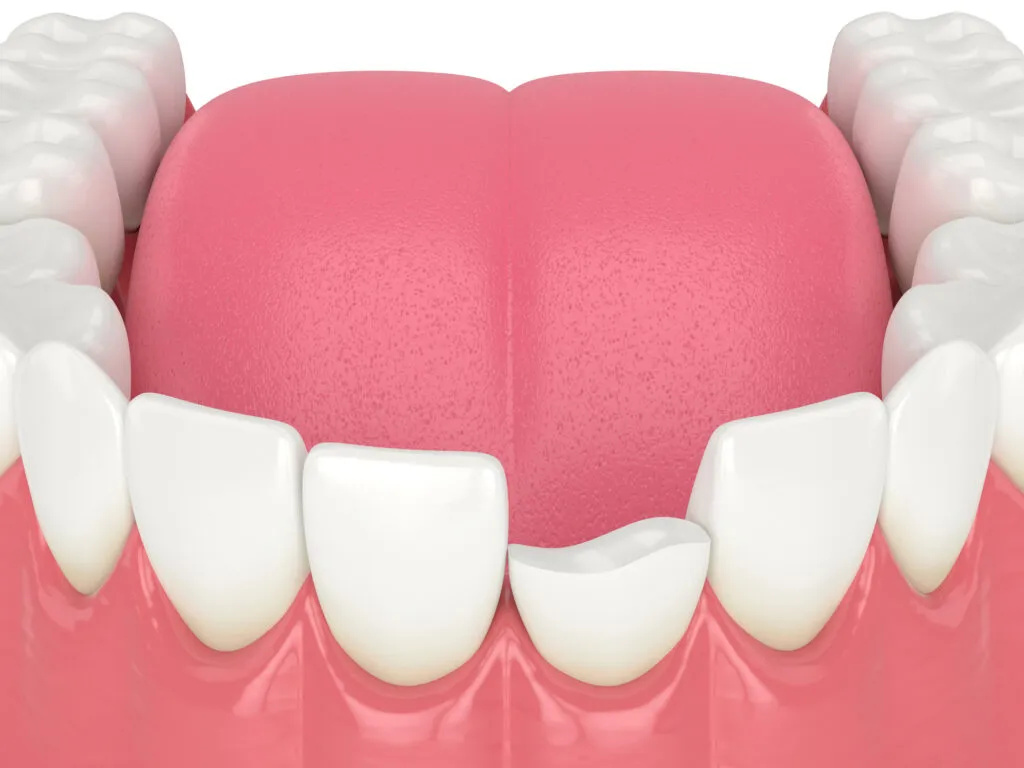
Why Do Toothaches Hurt?
Inside every tooth is sensitive tissue known as dental pulp, filled with nerves and blood vessels. When the pulp is irritated (due to tooth decay, cracked fillings, or an abscess), the resulting inflammation triggers sharp, throbbing oral pain.
Assess Your Dental Emergency IMPORTANT DISCLAIMER: This assessment tool is for informational purposes only and is not a substitute for professional dental advice. If you are experiencing a dental emergency, please seek immediate care from a qualified dentist or visit the nearest emergency room.
Emergency Dental Assessment
Answer a few questions to determine if you need immediate dental care.
How severe is your pain? i 😊No Pain 🙂Mild Discomfort 😣Moderate Pain 😫Severe Pain Do you have any swelling? i 👌No Swelling 😌Mild (Gums Only) 😮Noticeable 😨Severe Have you experienced any dental trauma? i 🦷Knocked Out Tooth ↔️Loose Tooth 🔨Chipped/Cracked ✅No Trauma Are you experiencing any bleeding? i 🚫No Bleeding 🩹Mild When Brushing 🩸Persistent Bleeding Other Symptoms Fever Pus or Discharge Bad Taste/Smell
Assessment Result
Not Assessed Complete the assessment above
This assessment is a starting point — always consult your dentist for professional advice tailored to your situation.
How We Assess Dental Emergencies
Critical Symptoms
- Severe pain indicates urgent attention
- Facial swelling may signal infection
- Trauma requires immediate evaluation
Risk Assessment
- Based on clinical triage protocols
- Considers symptom severity
- Evaluates infection risk factors
Treatment Urgency
- Emergency: Immediate care needed
- Urgent: Within 24 hours
- Semi-urgent: Schedule soon
💡
This tool is for informational purposes only and should not replace professional dental advice. If you’re experiencing severe symptoms, seek immediate dental care.
* Based on standard dental emergency triage protocols. Always consult a dental professional for proper diagnosis.
At night, this pain often intensifies because lying down increases blood flow to your head, boosting pressure inside the inflamed tooth. Additionally, your body’s natural anti-inflammatory hormones, like cortisol, decrease at night, further heightening pain sensations.
While emergency toothache relief at home can help manage the discomfort temporarily, it doesn’t treat the underlying root cause. Professional dental care is still necessary, ideally within 24 to 48 hours, to prevent complications and long-term damage.
Safe At-Home Toothache Relief Options
You likely already have several proven pain-relief options right in your home. Here’s how to use them effectively and safely:
-
Ibuprofen and acetaminophen combo — Combining ibuprofen and acetaminophen is highly effective for tooth pain. A safe adult regimen is ibuprofen 400 to 600 mg every six hours, alternated with acetaminophen 500 to 650 mg every six hours. Do not exceed the daily limits (1,200 mg ibuprofen OTC limit, 3,000 mg acetaminophen OTC limit for adults).
-
Topical benzocaine gel — Benzocaine (like Orajel) can briefly numb oral pain. Apply a pea-sized amount directly to the affected area no more than four times daily. Avoid use in children under two years due to the risk of methemoglobinemia.
-
Cold compress cycles — Applying a cold compress to your cheek for 20 minutes on, then 20 minutes off, can reduce inflammation and numb the painful area, easing discomfort significantly.
-
Warm salt-water rinse — Dissolve half a teaspoon of salt in eight ounces of warm water, then swish gently for 30 seconds before spitting. This method reduces swelling, cleans the area, and provides mild relief from toothache-related pain.
-
Temporary filling kit or orthodontic wax — Over-the-counter temporary dental filling kits or orthodontic wax can seal exposed nerves or sensitive dentin, reducing discomfort until professional care is accessible. Follow the kit instructions carefully to avoid causing additional problems.
These methods provide reliable emergency toothache relief, reducing oral pain and inflammation safely and effectively for short-term comfort.
Toothache Home Remedies to Avoid
While certain internet “hacks” might sound appealing, some DIY remedies can cause more harm than good. Skip these risky solutions to avoid complications:
- Aspirin directly on gums — Applying aspirin to gums can chemically burn soft oral tissues, worsening your pain rather than relieving it.
- Straight clove or tea-tree oil without dilution — Pure essential oils can severely irritate gums and oral tissues. Dilute clove oil properly if you choose this method; never apply undiluted oils.
- Swishing alcohol or applying heat — Alcohol rinses or warm compresses on a painful tooth can increase blood flow, intensifying inflammation and pain.
- Garlic paste myths — Despite its popularity online, garlic paste offers no clinically proven benefit for tooth pain relief.
These remedies may seem tempting in your urgent moment, but they’re likely to worsen pain or lead to additional dental issues.
When to Seek Immediate Professional Help
Certain symptoms indicate that your toothache has progressed beyond home remedies and needs immediate dental or medical attention. Recognizing these red-flag symptoms can prevent serious complications:
SymptomImmediate ActionFacial swelling or difficulty breathingVisit the ER immediately; potential airway compromise.High fever (over 101°F)Seek urgent care; it can indicate a spreading infection.Jaw stiffness (trismus) or severe painImmediate dental or medical evaluation needed; infection risk.Uncontrolled bleeding from the mouthER immediately; this requires immediate attention to stop bleeding.Pain persisting over 24 to 48 hours despite medicationEmergency dental visit; may need urgent procedure or antibiotics.
When experiencing these issues, seek immediate dental or emergency medical care. Delaying can worsen your condition, potentially leading to serious complications like a dental abscess or spreading infection.
What to Do the Morning After a Sudden Toothache
As soon as the sun rises, make a proactive plan to address the root cause of your toothache:
- Call your dentist promptly — Clearly mention any severe pain, swelling, or infection symptoms when scheduling your appointment to ensure priority.
- Prepare for the visit — Expect your dentist to perform a dental X-ray to pinpoint the source of pain. Treatments could include draining infections, prescribing antibiotics, or recommending procedures like root canals or tooth extraction, depending on severity.
- Explore cost-saving options — If financial considerations are a barrier, ask about payment plans, dental school clinics, or verify insurance coverage. Many dental offices offer affordable solutions and assistance with insurance coding.
Following through on these steps helps ensure your toothache gets proper and timely treatment, preventing further pain or serious complications.
Remember, home remedies are short-term solutions to get you through the night; they do not treat the underlying cause. For lasting relief and optimal oral health, schedule professional dental care promptly.
If you’re still struggling with toothache pain, use an emergency dentist directory or call your local dental hotline to arrange a same-day appointment. Your relief and safety depend on timely action.