


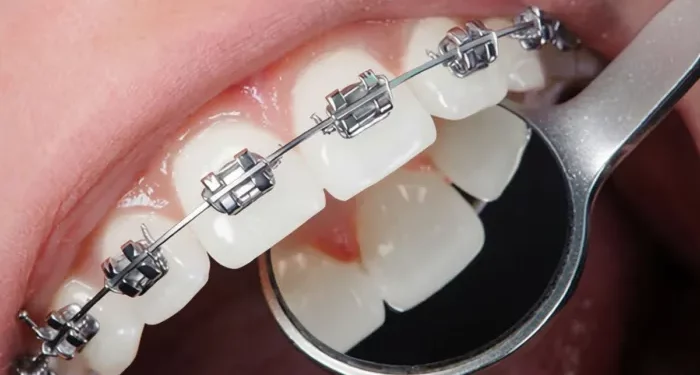
The global orthodontic wires market is undergoing significant changes as demand for dental correction rises worldwide and advancements in material science reshape product offerings. Orthodontic wires, essential components in fixed dental braces, are seeing steady demand thanks to long-term trends such as rising awareness of dental aesthetics and the increasing need for malocclusion treatment among both adolescents and adults.
New materials and manufacturing techniques play a critical role in the evolution of orthodontic wires. Traditional stainless steel remains a cost-effective choice, but materials like nickel-titanium (NiTi) and beta-titanium are gaining ground due to their flexibility, superelastic properties, and patient comfort. NiTi wires, in particular, are noted for their ability to return to their original shape after bending, resulting in improved treatment efficiency.
Demand for orthodontic wires is fundamentally consistent. The main driver remains the widespread presence of dental misalignment in all age groups. As oral health becomes more linked to overall well-being, orthodontic care is now regarded as part of comprehensive healthcare, not merely a cosmetic issue. The growing number of adults seeking orthodontic treatments is especially notable, reflecting greater aesthetic awareness and the increasing availability of less noticeable options such as clear aligners. While clear aligners have created alternative pathways for treatment, they often require the use of specialized wires for certain correction stages, meaning demand for traditional orthodontic wires continues to grow in new ways.
Manufacturing and quality control are highly important. Production is often centered in areas with strong metallurgical expertise, such as North America, Europe, and parts of Asia-Pacific. Creating high-grade wires requires strict compliance with international medical standards, adding complexity and cost to manufacturing processes. The global supply chain is affected by fluctuations in the cost of crucial raw materials like nickel and titanium, as well as by regulatory compliance demands in various markets.
Trade and logistics also shape the orthodontic wires industry. Key manufacturing regions, especially developed countries, export their products globally to markets with high demand but less manufacturing infrastructure. Shipping orthodontic wires requires careful packaging to prevent damage and contamination. Pricing is influenced by raw material costs, the level of product sophistication, and the structure of distributor networks. As local manufacturers emerge, particularly in rapidly developing regions, global brands face additional competition in price-sensitive markets.
Looking ahead to 2035, experts anticipate continued stable growth for the orthodontic wires market. Expansion is likely to be seen especially in emerging economies, where middle-class growth and greater orthodontic awareness drive demand. Ongoing advances in wire technology, including smart coatings and digital customization, are expected to further shape the market. Companies that balance innovative product offerings with effective cost management and broad distribution networks will be well-placed to benefit in a competitive global environment.
Tags: orthodonticorthodontic careorthodontic treatment Read More