


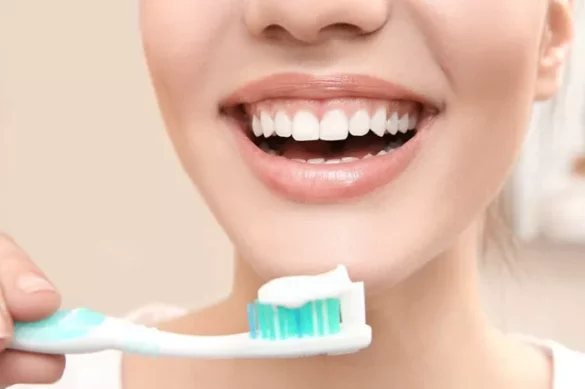
Oral hygiene plays a crucial role in maintaining overall health, and brushing your teeth is one of the simplest and most effective ways to prevent dental issues such as cavities and gum disease. But the question arises: is brushing your teeth just once a day enough to keep your teeth and gums healthy? This article will explore the science behind brushing frequency, the potential consequences of brushing once daily, and recommendations from dental experts.
Why Brushing Twice a Day is Recommended
Dental Experts’ Opinion on Brushing Frequency
The majority of dental professionals recommend brushing your teeth twice a day—once in the morning and once before bed.
This advice is grounded in research that shows brushing twice daily significantly reduces plaque buildup, prevents gum disease, and maintains a fresh breath. The American Dental Association (ADA) and other health organizations suggest this routine as the optimal approach for most people.
What Happens If You Brush Once a Day?
Brushing once a day may seem sufficient, but it could lead to various dental problems over time. Plaque, a sticky film of bacteria, forms on the teeth after eating and drinking. If not removed, plaque can harden into tartar, leading to cavities, gum inflammation, and tooth decay. Brushing once a day might not be enough to thoroughly remove plaque, especially in the morning or after meals when food particles and bacteria are present.
The Science Behind Tooth Decay and Gum Disease
How Plaque Contributes to Cavities
Plaque contains harmful bacteria that feed on sugars from food. As these bacteria consume sugars, they produce acid, which can erode tooth enamel. Over time, this acid weakens the tooth surface, leading to cavities. When brushing once a day, there is a higher chance of plaque accumulating, increasing the risk of cavities forming.
How Gum Disease Develops
Gum disease, also known as periodontal disease, begins when plaque is not removed from the teeth and gums. This leads to inflammation of the gums, a condition known as gingivitis. If left untreated, gingivitis can progress to more severe forms of gum disease, causing gum recession, tooth mobility, and even tooth loss. Brushing once a day may not sufficiently prevent plaque from building up, increasing the likelihood of gum disease.
Other Factors That Influence Oral Health
Diet and Its Role in Oral Health
Your diet significantly impacts the health of your teeth and gums. Sugary foods and drinks, such as sodas, candy, and baked goods, provide food for bacteria in the mouth, increasing the chances of plaque formation. Even if you brush once a day, a poor diet can lead to ongoing oral health problems.
The Role of Fluoride Toothpaste
Using fluoride toothpaste can help protect your teeth from decay. Fluoride strengthens tooth enamel, making it more resistant to acid attacks. While fluoride toothpaste offers additional protection, it does not replace the need for regular brushing. Brushing only once a day may not provide enough exposure to fluoride to fully protect your teeth from harmful acids.
How to Improve Your Oral Health Routine
Brushing Twice a Day
Brushing twice a day is ideal for most individuals. Ensure that you are brushing for at least two minutes each time, reaching all surfaces of your teeth, including the back molars and along the gum line. Proper technique is essential: use gentle, circular motions rather than aggressive scrubbing to avoid damaging your gums or enamel.
Flossing and Mouthwash
Brushing alone is not enough to remove all food particles and plaque from between your teeth. Flossing once a day is recommended to reach areas that your toothbrush cannot. Additionally, using an alcohol-free mouthwash can help kill bacteria and freshen your breath, providing an added layer of protection against oral diseases.
Regular Dental Check-ups
Even with a solid home care routine, it is important to visit the dentist regularly for professional cleanings and check-ups.
Dentists can detect early signs of tooth decay, gum disease, and other oral health issues before they become serious problems.
Conclusion
While brushing once a day may seem convenient, it is generally not enough to maintain optimal oral health. The buildup of plaque and the potential for cavities and gum disease make brushing twice a day a more effective practice. Along with brushing, flossing, using mouthwash, and regular dental visits are essential steps to ensure a healthy smile for life.