


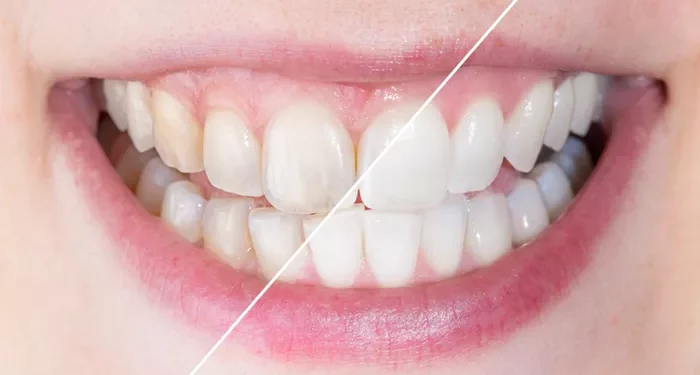
Scientists have developed a glycerol-stabilised calcium-phosphate gel that can rebuild early tooth enamel, a 2024 Nature Communications study reports — a potential shift from drilling and filling toward true enamel regeneration.
Tooth enamel can’t naturally regrow once it’s lost, leaving dentine exposed and causing pain and decay. Current dentistry replaces damaged enamel with artificial fillings and crowns. The new gel aims to restore mineral density by mimicking the tooth’s natural mineralisation process.
Researchers created nanoscale calcium-phosphate (CaP) clusters stabilized with glycerol. When applied to demineralised enamel in laboratory tests, the clusters bind to the tooth surface and rapidly form a coating that integrates with existing enamel. In controlled experiments the coating matched healthy enamel in hardness and acid resistance and repaired early erosion within hours.
The approach draws on biomimicry. During tooth formation, ameloblasts — cells that secrete enamel proteins — guide mineral crystallisation. Because ameloblasts are lost after teeth erupt, natural regeneration is impossible. The gel substitutes for that biological process, providing a mineral scaffold that imitates enamel’s crystalline structure.
If validated in human trials, the gel could yield several clinical benefits: stopping decay at an early stage, sealing exposed dentine to relieve temperature-related pain, and providing durable, enamel-like protection. Researchers also envision applications ranging from in-office treatments to future at-home preventive products.
Significant hurdles remain. The gel’s success so far is limited to lab and simulated oral environments. Human clinical trials must confirm durability under chewing forces, saliva, and complex bacterial conditions.
Manufacturing medical-grade CaP clusters at scale and ensuring long shelf life present additional challenges. Commercial availability could still be several years away.
For now, experts stress that conventional prevention remains essential: brush with fluoride toothpaste twice daily, floss, limit acidic foods, and see your dentist regularly. The new gel offers promise — not a replacement — for those habits.
If commercialised, enamel-regrowing treatments would mark a major change in dental care, shifting the focus from replacing tissue to biologically restoring it. The Nature Communications study opens the door to a less invasive, preventive model of dentistry that could reduce the need for traditional fillings.