


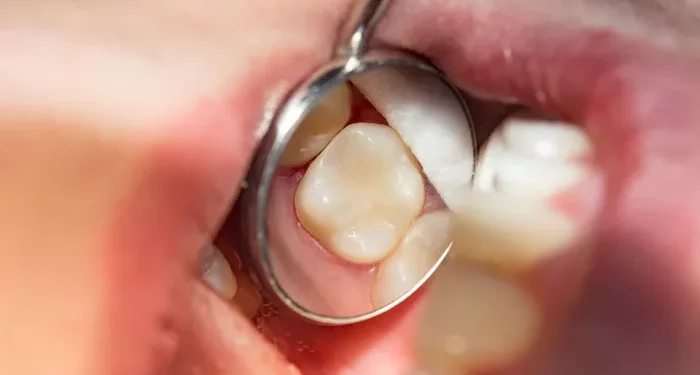
A temporary tooth filling can provide essential relief when a tooth is damaged or decayed. Whether you are waiting for a permanent filling or experiencing a dental emergency, knowing your options can help maintain oral health. This article will explore what temporary fillings are, why they are necessary, the materials that can be used for temporary fillings, and tips for proper care after placing a temporary filling.
Understanding Temporary Tooth Fillings
Temporary tooth fillings are used to protect a damaged or decayed tooth until a more permanent solution can be implemented. They serve several critical functions.
Why Are Temporary Fillings Necessary?
Protection: Temporary fillings help shield the tooth from bacteria and debris, reducing the risk of infection.
Pain Relief: They can alleviate discomfort by covering sensitive areas of the tooth and reducing exposure to hot and cold stimuli.
Functionality: Temporary fillings restore some function to the tooth, allowing for normal chewing and biting until a permanent solution is available.
Facilitating Dental Treatment: They enable patients to maintain their dental health while waiting for further treatment.
When Are Temporary Fillings Used?
Temporary fillings are commonly used in various situations, including:
After a dental procedure such as a root canal, where a permanent filling may not be placed immediately.
In cases of dental emergencies, such as a broken tooth or a lost filling, to provide immediate relief.
When a patient is awaiting a crown or bridge placement, temporary fillings help protect the underlying tooth.
Types of Materials for Temporary Fillings
Several materials can be used to create temporary fillings. Each material has its advantages and disadvantages, making them suitable for specific situations.
Dental Cement
Dental cement is one of the most commonly used materials for temporary fillings. It is versatile and easy to apply.
Types of Dental Cement: There are different types of dental cement, including zinc oxide-eugenol cement, glass ionomer cement, and resin-modified glass ionomer cement.
Advantages: Dental cement is effective in sealing the cavity and protecting the tooth. It also has good adhesive properties and can bond well to the tooth structure.
Disadvantages: While dental cement is durable, it may not withstand heavy chewing forces. It is designed for temporary use and may wear down over time.
Over-the-Counter Temporary Filling Kits
Several over-the-counter temporary filling kits are available for patients who need immediate relief. These kits usually contain dental cement or similar materials.
Ease of Use: These kits are user-friendly and come with step-by-step instructions. They allow patients to perform temporary filling at home.
Cost-Effective: Over-the-counter kits are typically less expensive than dental office visits.
Limitations: While convenient, these kits may not provide the same level of protection as a professional temporary filling. They are suitable for short-term use until professional care can be obtained.
Wax or Dental Wax
Dental wax can also be used as a temporary filling material. It is often used for small cavities or to cover sharp edges of broken teeth.
Application: Patients can easily mold dental wax to fit the shape of the tooth and apply it directly over the affected area.
Advantages: Wax is soft and gentle on the mouth, providing comfort and immediate relief from sharp edges.
Disadvantages: Dental wax is not a long-term solution and may not adhere well to the tooth. It is prone to dislodgment during chewing.
Chewing Gum
In a pinch, sugar-free chewing gum can serve as a temporary filling material for small cavities or to cover rough edges.
Functionality: Chewing gum can help protect the tooth from debris and provide some relief from sensitivity.
Advantages: It is readily available and easy to use.
Disadvantages: Chewing gum is not a durable solution. It can break down quickly and may not provide adequate protection against bacteria.
Cotton or Gauze
Cotton or gauze can be used as a temporary measure to cover a cavity or sensitive area until a dental appointment can be made.
Application: Patients can place a small piece of cotton or gauze over the affected area to reduce sensitivity and protect the tooth.
Advantages: This method is simple and effective for short-term use.
Disadvantages: Cotton or gauze may not stay in place during eating or drinking and should not be used as a long-term solution.
Tips for Applying Temporary Fillings
If you need to use a temporary filling material, here are some tips for effective application:
Read Instructions Carefully
If using an over-the-counter temporary filling kit, read all instructions carefully before starting the application. Following the manufacturer’s guidelines will ensure the best results.
Prepare the Tooth
Before applying any temporary filling material, clean the affected area thoroughly. Rinse the mouth with warm salt water to help remove any debris and bacteria.
Use a Clean Tool
If applying dental cement or wax, use a clean tool, such as a cotton swab or a small spoon, to manipulate the material. This helps maintain cleanliness and reduces the risk of infection.
Apply in Small Amounts
Start by applying a small amount of filling material to avoid overfilling the cavity. You can always add more if necessary.
Smooth the Surface
After placing the temporary filling, use your finger or a clean tool to smooth the surface. This will help ensure a comfortable fit and minimize irritation to the surrounding gums.
Caring for Temporary Fillings
Taking care of a temporary filling is crucial for its effectiveness and longevity. Here are some care tips:
Avoid Hard or Sticky Foods
For the best results, avoid chewing hard or sticky foods that could dislodge the temporary filling. Soft foods are a better option while waiting for a permanent solution.
Maintain Good Oral Hygiene
Continue to practice good oral hygiene during this time. Brush gently around the filled area and floss carefully to prevent plaque buildup.
Monitor for Changes
Keep an eye on the temporary filling and the surrounding area. If you notice any signs of discomfort, dislodgment, or further decay, contact your dentist promptly.
Schedule a Dental Appointment
A temporary filling is not a permanent solution. Schedule a dental appointment as soon as possible to address the underlying issue and receive a permanent filling.
see also: How Much Are Ceramic Fillings?
When to Seek Professional Help
While temporary fillings can provide immediate relief, certain situations require professional attention. Consider seeking help if:
The temporary filling comes loose or falls out
You experience increased pain or sensitivity in the affected tooth
There are signs of infection, such as swelling, redness, or discharge
The cavity appears to be worsening or changing
Conclusion
Temporary tooth fillings serve an important purpose in dental care, providing protection and relief while waiting for a more permanent solution. Various materials can be used for temporary fillings, including dental cement, over-the-counter kits, wax, chewing gum, and cotton. Understanding how to apply and care for temporary fillings can help maintain oral health until professional dental treatment is available. If you find yourself in need of a temporary filling, consider these options and do not hesitate to contact your dentist for further guidance and care.