


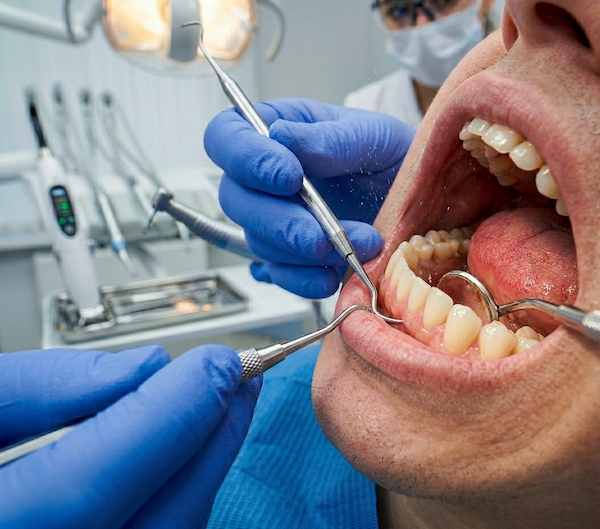
Maintaining optimal oral health goes beyond a daily brushing routine; it requires professional intervention. Two foundational periodontal treatments—Dental Scaling (often called “cleaning”) and Root Planing—are essential, yet they serve different purposes and target different areas of your oral cavity.
Understanding the Difference
While both procedures aim to eliminate harmful bacteria, they focus on different “zones” of your teeth.
Dental Scaling (Supragingival Cleaning): This is your standard professional cleaning. It focuses on the crown—the part of the tooth visible above the gum line. Its primary goal is to remove plaque and tartar buildup to prevent or treat gingivitis (gum inflammation), keeping your gums healthy and firm.
Root Planing (Subgingival Cleaning): This is a deeper, more therapeutic procedure. It targets the area below the gum line, specifically within the periodontal pockets. It removes hardened tartar, bacterial toxins, and diseased tissue from the root surfaces. This is a critical treatment for periodontitis (gum disease) to stop inflammation from progressing and prevent further destruction of the underlying bone.
Why Do You Need Root Planing?
Not everyone requires root planing. However, if your gum disease has advanced beyond what standard cleaning can fix, this procedure becomes a necessity to save your teeth.
Common indicators include:
Frequent bleeding while brushing or eating.
Persistent gum swelling, tenderness, or even pus discharge.
Noticeable gaps between teeth, an appearance of “longer” teeth, or increased tooth mobility.
X-ray evidence of bone loss around the tooth roots.
When periodontal pockets form, plaque and tartar migrate beneath the gum line. Standard dental instruments simply cannot reach these deep, infected areas. Root planing utilizes specialized, precision instruments to clean the root surfaces and smooth them out, which encourages the gums to reattach to the teeth, effectively stopping the cycle of bone loss.
Quick Self-Assessment: Do You Need Deeper Treatment?
Ask yourself these four questions. If you find yourself checking multiple boxes, it is highly likely that you need a professional periodontal assessment:
Do my gums bleed regularly when I brush or chew?
Do I frequently suffer from swollen gums, pain, or chronic bad breath?
Do my teeth feel loose, or does it seem like they are becoming longer with larger gaps between them?
Has a dentist previously diagnosed me with periodontitis or mentioned bone loss?
Busting the “Scaling” Fear: What It Actually Feels Like
Many people get nervous at the mere mention of “root planing,” fearing intense pain. In reality, while you may experience some sensitivity or a “sore” feeling in the roots, it is rarely as painful as anticipated.
Modern dentistry offers comfort-focused treatment options. With the use of local anesthesia and advanced, minimally invasive instruments, any potential discomfort is significantly minimized.
Do not let anxiety or misconceptions prevent you from seeking care. Neglecting periodontal disease can eventually lead to tooth loss—a much harder reality to face. Choosing a professional root planing treatment is a proactive, manageable step toward securing your smile for the long term.