


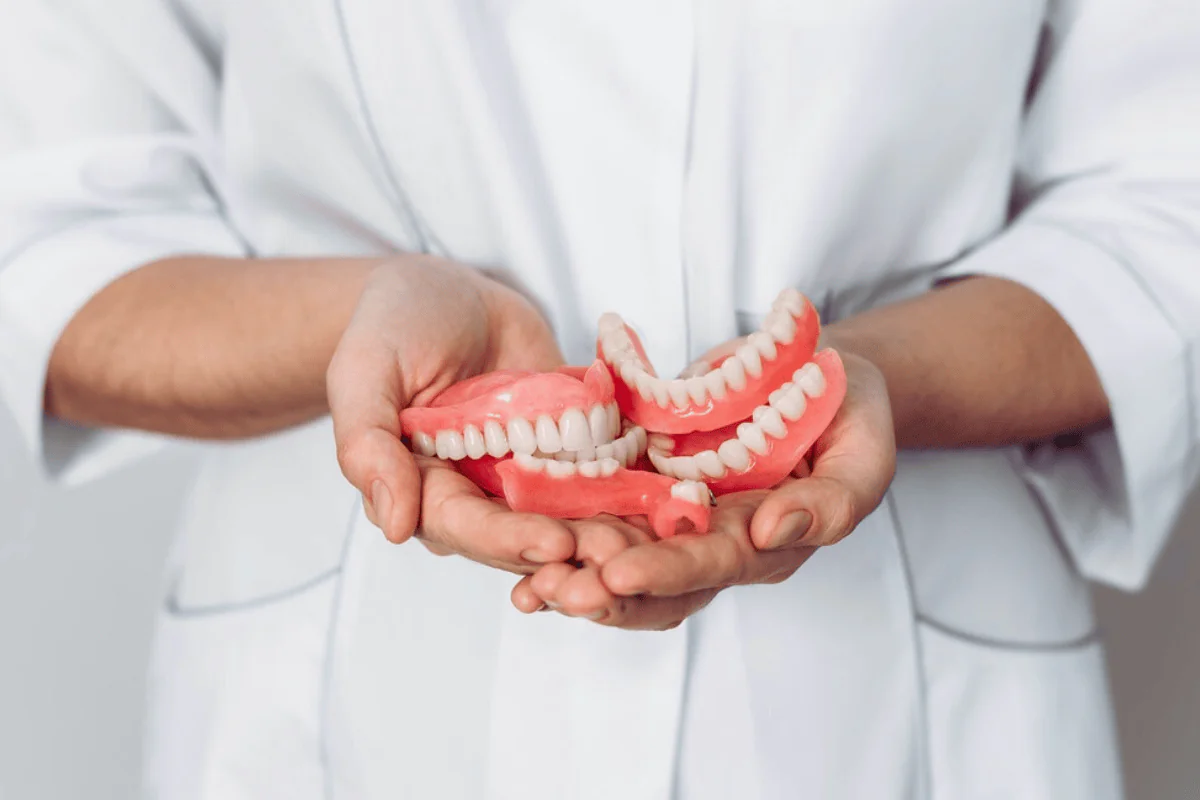
Can You Sleep with Dentures? The Short Answer
Many patients ask, can you sleep with dentures every night. The simple answer is no. Dentists strongly advise removing dentures before sleep. However, some people still wear them overnight out of habit or comfort.
At first, wearing dentures all day feels normal. Yet, problems can develop over time. Your gums and oral tissues need rest. Without rest, irritation may occur. In addition, bacteria and fungi can grow faster in a closed environment.
Moreover, wearing dentures continuously increases infection risk. This includes a common condition called oral thrush. Therefore, removing dentures at night supports better oral health.
To summarize this section:
- Dentists recommend removing dentures before sleep
- Continuous wear increases infection risk
- Oral tissues need time to recover
- Night removal improves long-term comfort
Why Sleeping with Dentures Can Be Harmful
Although it may seem convenient, sleeping with dentures carries several risks. Understanding these risks helps you make better decisions.
First, dentures create a warm and moist space. This environment allows microorganisms to grow rapidly. As a result, infections become more likely.
Second, constant pressure on gums leads to irritation. Over time, this may cause redness and soreness. In severe cases, ulcers can develop.
Third, poor airflow under dentures reduces oxygen exposure. This weakens the natural defense of oral tissues. Consequently, healing slows down.
Here are the key risks:
- Increased fungal growth
- Gum inflammation and pain
- Higher risk of denture-related infections
- Reduced tissue recovery
Therefore, removing dentures at night is not just advice. It is essential for maintaining oral health.
Denture-Related Oral Thrush: A Hidden Danger
One major concern is denture-related oral thrush. This condition is caused by Candida fungus. While this fungus exists naturally, it can overgrow under certain conditions.
For example, wearing dentures all day and night creates ideal conditions. The fungus thrives in warm and damp areas. As a result, infection may develop.
Common symptoms include:
- Red or inflamed oral tissue
- Burning sensation in the mouth
- White patches that can be wiped away
- Pain while eating or speaking
Additionally, many patients mistakenly use antibiotics. However, antibiotics do not treat fungal infections. In fact, they may worsen the condition by disrupting oral bacteria balance.
Therefore, correct diagnosis and treatment are important. Dentists usually recommend antifungal medication and improved hygiene habits.
Why Denture Wearers Are More Vulnerable
Not everyone faces the same risk. However, denture wearers often have higher vulnerability. Several factors contribute to this.
First, most denture users are older adults. Aging reduces saliva production. Saliva plays a key role in cleaning the mouth. Less saliva means higher infection risk.
Second, some patients have chronic conditions. Diabetes, for instance, increases susceptibility to infections. Meanwhile, a weakened immune system makes recovery slower.
Third, improper cleaning habits worsen the situation. If dentures are not cleaned properly, bacteria accumulate quickly.
Main risk factors include:
- Reduced saliva flow
- Weakened immune system
- Poor denture hygiene
- Chronic diseases
Therefore, extra care is necessary for denture users.
Proper Denture Care Routine for Nighttime
Good habits can prevent most problems. Therefore, following a proper denture care routine is essential.
Step-by-step care guide:
- Remove dentures before sleeping every night
- Rinse dentures after meals
- Brush dentures using a soft brush
- Use a denture cleaner instead of regular toothpaste
After cleaning, proper storage is also important.
Night care tips:
- Soak dentures in clean water or denture solution
- Keep dentures moist to prevent damage
- Avoid hot water, which may warp the material
Additionally, always clean your mouth.
- Gently brush gums and tongue
- Rinse with mild mouthwash
These steps help reduce bacteria and fungi. As a result, your oral health improves significantly.
What Happens If You Never Remove Dentures
Some patients rarely remove their dentures. Over time, this can lead to serious issues.
First, constant irritation damages soft tissues. This may cause long-term inflammation. Second, infections become more frequent. Oral thrush is especially common in such cases.
Moreover, denture fit may worsen. Continuous wear changes gum shape. As a result, dentures become loose or uncomfortable.
Here are potential consequences:
- Chronic oral infections
- Persistent pain and discomfort
- Poor denture fit
- Increased dental treatment costs
Therefore, regular removal is not optional. It is necessary for long-term oral health.
FAQ: Common Questions About Sleeping with Dentures
How long can you sleep with dentures?
Ideally, you should not sleep with dentures at all. Dentists recommend removing them every night. However, in rare situations, wearing them briefly may be acceptable. Still, this should not become a habit.What can I wear at night instead of dentures?
You can simply leave your mouth without dentures. This allows tissues to rest. In some cases, dentists may provide soft liners or temporary appliances. However, most patients do not need any replacement at night.
When to See a Dentist
Sometimes, symptoms require professional care. Therefore, knowing when to seek help is important.
Visit a dentist if you notice:
- Persistent redness or swelling
- Pain that does not improve
- White patches in the mouth
- Difficulty wearing dentures
Early treatment prevents complications. Moreover, regular checkups help maintain denture condition.
Dentists may:
- Prescribe antifungal medication
- Adjust denture fit
- Recommend better hygiene methods
Thus, professional guidance ensures better outcomes.
Final Thoughts: Can You Sleep with Dentures Safely?
In conclusion, the answer to can you sleep with dentures is clear. Dentists do not recommend it. While it may seem convenient, the risks outweigh the benefits.
Removing dentures at night protects your oral health. It reduces infection risk and allows tissues to recover. Moreover, proper cleaning habits make a big difference.
To stay safe:
- Remove dentures before sleep
- Clean them thoroughly
- Maintain regular dental visits
By following these steps, you can avoid complications. Ultimately, good habits lead to better comfort and long-term health.