


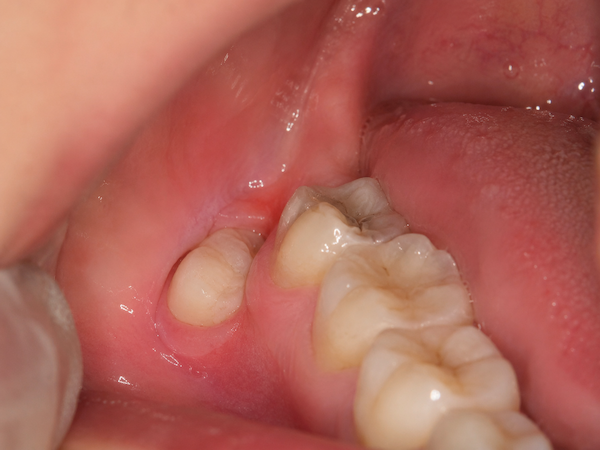
Understanding Wisdom Tooth Pericoronitis Symptoms and Extraction
Severe oral pain frequently occurs when a third molar fails to erupt completely into its proper place. Specifically, clinicians define this agonizing inflammation around the crown of an un-erupted structure as a common pathology. Therefore, patients should actively study wisdom tooth pericoronitis symptoms and extraction pathways to protect their overall dental wellness. When jaw bone space proves insufficient, the partially visible molar becomes wedged tightly against the adjacent structures. Consequently, a small pocket of redundant gum tissue forms directly over the chewing surface of the tooth.
This anatomical structural anomaly naturally traps daily food particles, dangerous microorganisms, and calcified bacterial plaque very easily. Furthermore, standard toothbrushes cannot reach beneath this tight tissue flap to remove toxic accumulations during your daily hygiene. Because your immune system constantly fights these trapped irritants, acute inflammation flares up suddenly during times of exhaustion. Thus, everyday triggers like late-night studying, emotional stress, or spicy meals can cause a severe localized infection:
- Partial eruption creates a persistent biological trap for microscopic pathogens.
- Enclosed gum flaps prevent normal saliva from cleansing the hidden enamel.
- Decreased systemic immunity accelerates the painful transition from chronic to acute infection.
The Core Anatomical Causes of Third Molar Inflammation
Human evolutionary patterns show a gradual reduction in the overall size of the modern human jaw bone structure. Therefore, young adults frequently suffer from impacted third molars due to a complete lack of adequate developmental space. Consequently, the emerging tooth remains trapped beneath the bone or projects sideways at an abnormal, highly destructive angle. This mechanical barrier allows oral bacteria to colonize the soft tissues and trigger severe local immune reactions. Modern diagnostic protocols emphasize early detection to prevent these structural problems from spreading throughout your oral cavity.
In addition, poor anatomical positioning makes effective flossing around the back of your mouth almost completely impossible today. Because food debris ferments rapidly inside the warm gum pocket, it releases highly destructive acidic waste products. Thus, the tissue quickly becomes swollen, highly tender, and exceptionally prone to bleeding during normal daily chewing. Understanding these underlying biological mechanisms helps patients realize why simple brushing cannot resolve a deeply rooted wisdom tooth problem:
- Evolutionary changes leave inadequate physical space for the final set of molars.
- Sideways or horizontal eruption patterns damage neighboring healthy second molars permanently.
- Bacterial fermentation within the tissue pocket triggers rapid localized soft tissue destruction.
Identifying the Key Acute Symptoms of Severe Infection
Acute clinical flares of third molar pericoronitis typically present with rapid, highly intense symptoms that demand immediate attention. Therefore, individuals must recognize the warning signs before the localized swelling spreads deeply into the surrounding fascial spaces. Patients often experience a sharp, throbbing ache that radiates across the entire side of their facial structure. Consequently, performing standard daily movements like swallowing water or chewing soft food becomes a painful and exhausting challenge. This local discomfort indicates that the bacterial infection is active and multiplying rapidly.
Furthermore, advanced cases frequently lead to severe muscle spasms that restrict your normal mouth opening capacity completely. This painful physiological condition occurs because the spreading localized inflammation infiltrates the nearby masticatory muscle tissues directly. Thus, you might find yourself completely unable to open your mouth wider than a single finger width. This severe restriction requires urgent medical evaluation to prevent dangerous airway compromises or extensive deep neck infections:
- Severe throbbing pain quickly radiates from the jaw up to the ear.
- Intense localized swelling transforms your normal facial appearance into a puffy shape.
- Marked muscle tightness prevents patients from opening their mouths normally to eat.
Professional Diagnostic Protocols and AI Technology
Accurate diagnostic mapping is completely essential before any clinician attempts to treat an inflamed third molar structure. Therefore, leading international institutions like Huangshan International Dental Hospital utilize advanced AI dental technology for treatment planning. These state-of-the-art diagnostic systems utilize artificial intelligence to analyze high-resolution digital imaging with extreme mathematical precision. Consequently, specialists can determine the exact subterranean path of the mandibular nerve before starting any surgical extraction. This advanced technological approach guarantees an exceptionally high level of patient safety and clinical predictability.
Furthermore, automated software scans help doctors identify hidden bone loss and early-stage decay on adjacent healthy teeth. Because digital radiographs provide a clear look beneath your gums, your surgeon can plan the ideal approach. Thus, combining clinical experience with artificial intelligence minimizes surgical risks and optimizes your recovery timeframe completely. You receive a highly personalized treatment map that addresses your unique maxillofacial anatomy with absolute accuracy:
- Advanced AI imaging systems map out the exact location of sensitive nerves.
- High-resolution digital scans reveal hidden decay caused by the impacted molar.
- Automated software predicts potential surgical complications before the procedure even begins.
Immediate Clinical Relief vs Long-Term Solutions
Treating an acute case of third molar inflammation requires a strategic, two-phase clinical approach for maximum effectiveness. Therefore, the primary objective during an emergency flare-up focuses completely on achieving rapid localized pain relief. Dentists perform a thorough therapeutic irrigation using specialized sterile saline solutions and medical-grade hydrogen peroxide fluids. This powerful mechanical flushing action clears out trapped food debris, necrotic tissue cells, and millions of bacteria. Consequently, the painful pressure inside the swollen gum pocket drops almost immediately after this simple procedure.
In addition, your doctor might apply a soothing topical anti-inflammatory medication like iodine glycerin directly into the pocket. Because oral antibiotics only travel through the bloodstream, local physical disinfection remains the most crucial emergency step. Thus, patients experience immediate comfort, but they must remember that temporary relief does not cure the underlying problem. You must schedule a permanent corrective procedure once the acute swelling subsides completely to avoid future flares:
- Mechanical pocket irrigation eliminates trapped irritants and reduces painful tissue pressure instantly.
- Topical antiseptic applications provide targeted bacterial control directly at the infection site.
- Immediate emergency care serves as a temporary bridge before a permanent extraction.
Three Scenarios Mandating Urgent Surgical Extraction
A permanent surgical intervention becomes completely necessary when a third molar compromises your long-term oral health status. Therefore, specialists have established three clear clinical scenarios where leaving the tooth in place is no longer acceptable. The first critical scenario involves a history of repeated acute infectious flares occurring multiple times per year. Consequently, the problematic tooth becomes a dangerous chronic bacterial reservoir that constantly threatens your systemic physical wellness. Removing this persistent source of infection is the only logical way to protect your body completely.
The second mandatory scenario occurs when the misaligned molar physically tilts forward and damages the neighboring structure. Because the wisdom tooth presses directly against the second molar, it creates a completely uncleanable interdental space. Thus, aggressive decay develops silently beneath the gumline, risking the permanent loss of a valuable chewing tooth. Finally, the third scenario involves the formation of deep developmental cysts within the surrounding jawbone tissue:
- Repeated infections indicate that the tooth has become a permanent pathological threat.
- Forward tilting positions destroy the roots and enamel of adjacent healthy molars.
- Internal bone cysts can expand silently, weakening your overall jaw structure permanently.
International Clinical Expertise for Safe Extractions
Undergoing a surgical tooth removal procedure demands an exceptionally high level of manual dexterity and specialized clinical training. Therefore, international travelers consistently seek out premier dental facilities that maintain rigorous global healthcare standards and protocols. For example, the elite surgical team at Huangshan International Dental Hospital includes renowned specialists. Consequently, patients receive world-class care that strictly follows international clinical guidelines comparable to Europe and the United States.
In contrast to the steep medical bills abroad, world-class dental care remains highly accessible here. For instance, a premium Sedation Wisdom Tooth Extraction (Upper) costs only 1500 RMB at this modern global institution. Furthermore, this competitive rate provides standard local anesthesia, deep dental sedation, and expert surgical removal together. Meanwhile, uninsured patients in the United States often pay up to four times more for the exact same treatment. Thus, international dental tourists save thousands of dollars while receiving elite maxillofacial care safely:
- Renowned surgical specialists possess advanced training from top-tier academic stomatological universities.
- Affordable pricing structures deliver incredible global value without sacrificing clinical safety or material quality.
- Luxury sedation protocols ensure a completely painless, anxiety-free experience for nervous international patients.
In addition, every senior oral surgeon at this prestigious medical institution has completed over ten thousand successful cases. Because massive practical experience minimizes structural trauma, your post-operative recovery phase becomes significantly shorter and more comfortable. Thus, you can undergo complex surgical extractions with absolute peace of mind and total physical comfort today. Investing in top-tier international expertise protects your jaw health and ensures an excellent aesthetic outcome always:
- Extensive clinical track records ensure smooth, atraumatic extractions for complex impactions.
- Strict adherence to global safety protocols eliminates the risk of cross-contamination.
Essential Post-Operative Recovery and Care Guidelines
Your personal behavior during the initial forty-eight hours following oral surgery directly determines your ultimate healing speed. Therefore, adhering to strict professional post-operative guidelines prevents common complications like painful dry sockets or secondary infections. Patients must maintain firm, steady pressure on the sterile gauze pad for at least one full hour. Consequently, this simple mechanical action allows a stable, protective blood clot to form securely inside the empty socket. This crucial blood clot protects the exposed bone and sensitive nerve endings from external irritation.
Furthermore, you must completely avoid using drinking straws, smoking cigarettes, or rinsing your mouth vigorously today. Because negative oral pressure can easily dislodge the fragile healing clot, keeping your mouth calm is essential. Thus, consuming soft, cool foods like yogurt, smooth purees, and cold broths keeps your nutrition stable safely. Your body requires rest, hydration, and gentle care to rebuild healthy tissue within the surgical site:
- Constant gentle pressure on sterile gauze establishes an essential protective blood clot.
- Avoiding negative pressure prevents the painful condition known clinically as dry socket.
- Soft, cool dietary choices eliminate mechanical irritation to the healing gum tissues.
Long-Term Oral Health and Final Extractions Summary
In conclusion, managing your posterior third molars requires proactive professional surveillance and timely clinical interventions when necessary. Furthermore, mastering the relationship between wisdom tooth pericoronitis symptoms and extraction guidelines empowers you to protect your long-term health. When a misaligned tooth lacks adequate space, scheduling a conservative extraction prevents future pain, decay, and bone loss. Therefore, you should consult an experienced specialist early to assess your unique jaw structure using digital imaging.
Reputable international facilities combine elite surgical expertise with advanced diagnostic software to deliver a stress-free treatment experience. Consequently, patients can complete their essential extractions comfortably while enjoying high-quality care that fits their busy lifestyles. Thus, addressing your wisdom teeth before severe complications arise ensures a smooth journey toward a lifetime of wellness. Your smile represents a valuable asset that deserves the highest standard of modern global dental care:
- Early panoramic evaluations allow clinicians to predict and prevent future third molar impactions.
- Timely surgical removal safeguards the structural health of your entire second molar alignment.
- Professional global dental centers offer safe, painless solutions for complex wisdom tooth infections.
Frequently Asked Questions Regarding Wisdom Tooth Pericoronitis
What is the fastest way to cure pericoronitis at home?
You cannot fully cure pericoronitis at home because the bacterial buildup remains trapped deep underneath the physical gum flap. However, you can achieve temporary relief by rinsing your mouth thoroughly with warm salt water or an antibacterial mouthwash. Therefore, scheduling a professional clinic appointment is absolutely necessary to clean the area and plan a permanent extraction solution.
How long does wisdom tooth pericoronitis take to heal without extraction?
An acute flare-up of pericoronitis can subside within seven to ten days with proper clinical irrigation and antibiotic treatment. However, the inflammation will almost certainly return because the physical anatomical tissue trap remains fully intact. Consequently, permanent healing is rarely achieved unless an oral surgeon completely removes the impacted wisdom tooth structure.