


Introduction
Many people believe that once they receive dental implants, brushing becomes less important because implants cannot develop cavities. However, this is one of the most common misconceptions in implant dentistry.
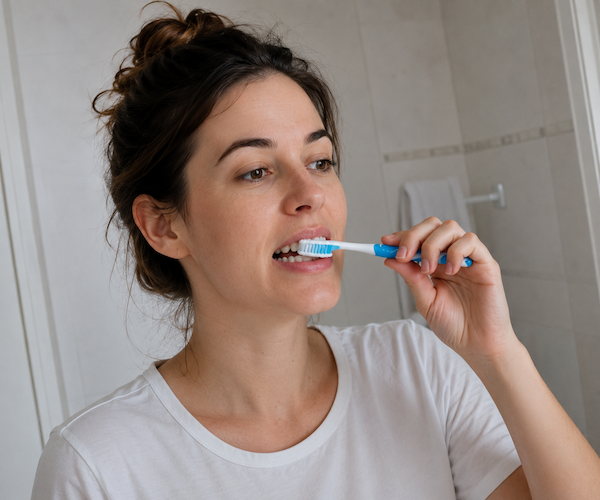
So, do you still need to brush your teeth with implants? The answer is a clear yes.
Although dental implants are made from titanium and ceramic materials, the surrounding gums and bone remain vulnerable to infection. Without proper cleaning, bacteria can accumulate around implants and cause inflammation, gum disease, and even implant failure.
Moreover, dental implants are a significant investment in your oral health. Therefore, maintaining excellent hygiene is essential for protecting both your smile and your long-term dental health.
In this guide, we will explain why brushing remains critical after implant treatment, how to care for implants correctly, and what happens when daily cleaning is neglected.
Why Dental Implants Still Require Daily Brushing
Many patients assume implants are immune to dental problems. While implants cannot get cavities, they can still develop serious complications.
Brushing is necessary because:
- Bacteria constantly live inside the mouth.
- Food particles collect around implant restorations.
- Plaque can form on implant surfaces.
- Gum tissue around implants can become infected.
- Bone supporting the implant can deteriorate.
As a result, poor oral hygiene may lead to peri-implant diseases.
These conditions often begin with mild gum inflammation. However, they can gradually progress into severe bone loss if left untreated.
Therefore, daily brushing remains the foundation of successful implant maintenance.
Understanding Peri-Implantitis: The Biggest Threat to Implants
One of the greatest risks to dental implants is a condition called peri-implantitis.
Peri-implantitis is an inflammatory disease that affects the tissues surrounding an implant. It develops when plaque and bacteria remain around the implant for extended periods.
Common symptoms include:
- Red or swollen gums
- Bleeding during brushing
- Persistent bad breath
- Gum recession
- Pain around the implant
- Implant mobility in severe cases
Furthermore, peri-implantitis is one of the leading causes of implant failure worldwide.
Unlike natural teeth, implants lack certain protective biological structures. Consequently, infections can spread more quickly into the supporting bone.
Fortunately, regular brushing significantly reduces the risk of developing peri-implantitis.
How Plaque Builds Up Around Dental Implants
Plaque does not discriminate between natural teeth and dental implants.
Every time you eat, proteins and bacteria combine to form a sticky biofilm on oral surfaces. If not removed, this plaque hardens into tartar.
Common plaque-retention areas include:
- Implant crowns
- Gum margins
- Spaces between teeth
- Areas beneath bridges
- Implant-supported dentures
Additionally, plaque can accumulate in places that are difficult to see.
Therefore, brushing alone is not enough. Patients should also use interdental brushes, floss, or water flossers to clean around implants thoroughly.
The cleaner the implant area remains, the healthier the surrounding tissues will be.
The Correct Way to Brush Dental Implants
Brushing dental implants requires a gentle but consistent approach.
Follow these steps for effective implant care:
Choose a Soft-Bristled Toothbrush
A soft brush helps protect gum tissues while removing plaque effectively.
Brush Twice Daily
Most dentists recommend brushing:
- Once in the morning
- Once before bedtime
Many patients also benefit from brushing after meals.
Use Small Circular Motions
Gentle circular movements clean effectively without damaging soft tissue.
Focus on the Gumline
The implant-gum connection is where bacteria often accumulate.
Brush for Two Minutes
Spend enough time cleaning all implant surfaces thoroughly.
Additionally, electric toothbrushes may improve plaque removal for some patients.
Additional Cleaning Tools for Implant Maintenance
Brushing is essential, but it should not be the only cleaning method.
For optimal implant health, consider using:
Interdental Brushes
These small brushes reach areas standard toothbrushes cannot access.
Water Flossers
Water flossers help flush debris from around implants and under bridges.
Implant-Safe Dental Floss
Special floss products are designed specifically for implants.
Antibacterial Mouthwash
Certain mouth rinses may help reduce bacterial levels.
However, mouthwash should complement brushing rather than replace it.
By combining multiple cleaning methods, patients can achieve superior plaque control.
Lifestyle Habits That Affect Implant Longevity
Daily brushing is important, but lifestyle choices also influence implant success.
Several factors increase implant complications:
- Smoking
- Poor diabetes control
- Excessive alcohol consumption
- Poor nutrition
- Skipping dental checkups
In contrast, healthy habits support long-term implant stability.
For example:
- Eat a balanced diet.
- Stay hydrated.
- Attend regular dental cleanings.
- Follow your dentist’s instructions.
As a result, implants often last for decades when properly maintained.
Professional Implant Care Matters Too
Home care is essential, yet professional maintenance remains equally important.
Regular dental visits allow dentists to:
- Monitor implant stability
- Remove hardened tartar
- Detect inflammation early
- Evaluate bone levels
- Adjust restorations if needed
At Huangshan International Dental Hospital, implant patients benefit from International-Level Dental Expertise. The implant team includes specialists trained at leading institutions such as Nanjing Stomatological Hospital. Furthermore, each implant dentist has completed more than 10,000 successful cases, providing extensive experience in long-term implant maintenance.
As a result, potential problems can often be identified before they become serious.
Modern Technology Improves Implant Maintenance
Technology continues to transform implant dentistry.
Today, advanced imaging and digital diagnostics help dentists evaluate implant health more accurately.
Huangshan International Dental Hospital supports diagnosis and treatment planning. AI-assisted systems help clinicians identify potential issues early while improving overall treatment accuracy.
Additionally, these technologies allow patients to receive personalized maintenance recommendations based on their individual needs.
Therefore, modern dental care combines professional expertise with advanced technology to protect implant longevity.
Common Mistakes Implant Patients Should Avoid
Many implant complications result from preventable mistakes.
Common errors include:
Skipping Daily Brushing
Even occasional neglect allows plaque to accumulate.
Using Hard-Bristled Brushes
Aggressive brushing may irritate the gums.
Ignoring Bleeding Gums
Bleeding is often an early warning sign of inflammation.
Missing Dental Appointments
Regular checkups help prevent serious complications.
Assuming Implants Are Maintenance-Free
This misconception causes many avoidable implant failures.
Instead, consistent oral hygiene should become part of your daily routine.
FAQ
Do you still need to brush your teeth with implants?
Yes. Although implants cannot develop cavities, plaque and bacteria can still accumulate around them. Daily brushing helps prevent gum inflammation, peri-implantitis, and implant failure.
What happens if you don’t brush your implants?
Without brushing, plaque builds up around implants. Over time, this can cause gum disease, bone loss, bad breath, and eventually implant failure.
Can a person with lupus get dental implants?
Many people with lupus can successfully receive dental implants. However, treatment depends on disease control, medications, immune function, and overall health. A comprehensive evaluation is necessary before proceeding.
Do tooth implants need cleaning every day?
Yes. Dental implants require daily cleaning just like natural teeth. Most dentists recommend brushing twice daily and cleaning between implants with floss or interdental brushes.
Conclusion
Returning to the original question, do you still need to brush your teeth with implants? Absolutely.
Dental implants may not get cavities, but they are not immune to disease. Plaque, bacteria, and inflammation can still threaten the gums and bone that support your implants. Therefore, daily brushing remains one of the most important habits for protecting your investment.
In addition, combining proper brushing, interdental cleaning, healthy lifestyle choices, and regular dental visits can dramatically improve implant longevity.
With consistent care, most implants can remain healthy and functional for many years. Most importantly, understanding that you still need to brush your teeth with implants is not just a question but a lifelong commitment to oral health, which will help ensure the long-term success of your new smile.