

Understanding Open Bite Correction
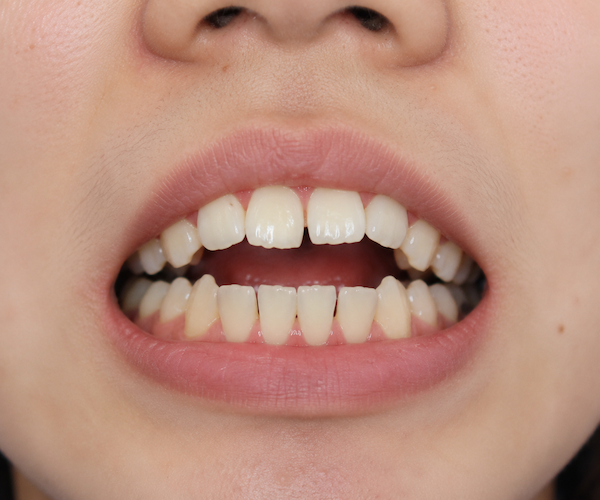
Many people notice something unusual when they close their mouths. Their back teeth touch normally, yet their upper and lower front teeth never meet. A visible gap remains between them, almost like a window that refuses to close. This condition is known as an open bite, and open bite correction is one of the most common challenges in modern orthodontics.
Although many people initially view an open bite as a cosmetic concern, the problem often extends much deeper. It can affect chewing, speech, jaw function, facial appearance, and even long-term oral health. Therefore, understanding the causes and treatment options is essential for anyone experiencing this condition.
In this article, we will explore the science behind open bites, the risks of leaving them untreated, and the most effective solutions available today.
What Is an Open Bite?
An open bite occurs when certain upper and lower teeth fail to make contact during normal biting.
The most common type is an anterior open bite. In this situation:
- The back teeth touch normally.
- The front teeth remain separated.
- A vertical gap appears between the upper and lower incisors.
As a result, patients often struggle to bite into foods such as apples, sandwiches, noodles, or vegetables.
Orthodontists generally classify open bites into two categories:
Dental Open Bite
This type develops primarily due to tooth positioning.
Common causes include:
- Thumb sucking
- Tongue thrusting
- Lip biting
- Prolonged pacifier use
- Pencil or pen chewing
Fortunately, dental open bites usually respond well to orthodontic treatment.
Skeletal Open Bite
This form results from jaw growth abnormalities.
Characteristics may include:
- Excessive lower facial height
- Backward jaw rotation
- Large mandibular angle
- Poor jaw relationship
Because the problem involves bone structure, treatment becomes more complex.
Common Causes of Open Bite
An open bite rarely develops overnight. Instead, it often forms gradually over many years.
Tongue Thrusting
Tongue thrusting is one of the leading causes.
Every time a person swallows, the tongue may push against the front teeth. Since humans swallow thousands of times daily, the pressure slowly moves teeth forward.
Eventually, a spindle-shaped gap may form between the upper and lower front teeth.
Thumb Sucking and Finger Habits
Children who continue thumb sucking beyond early childhood face a higher risk of developing open bites.
The thumb acts like an orthodontic force that pushes the teeth out of position.
Consequently, the front teeth drift apart over time.
Mouth Breathing
Chronic mouth breathing can significantly affect facial development.
Common causes include:
- Enlarged adenoids
- Chronic allergies
- Nasal obstruction
- Chronic rhinitis
When a child breathes through the mouth for years:
- The tongue rests lower in the mouth.
- The jaw grows downward.
- Facial proportions change.
As a result, an open bite may develop together with a long-face appearance.
Skeletal Growth Problems
Sometimes genetics plays a major role.
Certain patients inherit jaw patterns that increase the likelihood of open bites.
Examples include:
- Short mandibular ramus
- Excessive lower facial height
- Vertical growth tendency
- Jaw rotation abnormalities
In these cases, orthodontics alone may not completely solve the problem.
Temporomandibular Joint Disorders
Although less common, joint abnormalities can contribute to open bite development.
Condylar resorption or developmental abnormalities may alter jaw position.
Subsequently, the front teeth lose contact while the back teeth meet prematurely.
Why Open Bite Correction Matters
Many patients postpone treatment because they believe the issue is purely cosmetic.
However, the consequences often become more serious over time.
Reduced Chewing Efficiency
Front teeth serve an important role.
They help cut food before the back teeth grind it.
When the front teeth cannot meet:
- Biting becomes difficult.
- Food remains larger during chewing.
- Digestion may become less efficient.
Therefore, patients often rely heavily on their molars.
Speech Difficulties
Proper speech requires precise tongue and tooth positioning.
An open bite can create air leakage during pronunciation.
Patients may struggle with sounds such as:
- S
- Z
- C
Consequently, speech may sound unclear or lisped.
Excessive Tooth Wear
When front teeth do not function properly, back teeth compensate.
This extra workload can cause:
- Tooth wear
- Enamel loss
- Sensitivity
- Tooth fractures
Over time, serious damage may occur.
Jaw Joint Problems
An unstable bite places additional stress on jaw joints and muscles.
Patients may experience:
- Jaw clicking
- Muscle fatigue
- Facial pain
- Limited jaw movement
Therefore, correcting the bite often improves comfort.
Facial Aesthetic Concerns
Skeletal open bites frequently affect facial harmony.
Common signs include:
- Long facial appearance
- Recessed chin
- Poor profile balance
- Excessive lower facial height
For many patients, these changes affect self-confidence.
The Best Age for Open Bite Correction
The ideal treatment timing depends on age and severity.
Early Childhood (Ages 3-12)
Early intervention often provides the best opportunity to prevent worsening.
Dentists may recommend:
- Habit-breaking appliances
- Myofunctional therapy
- Breathing evaluation
- Growth monitoring
Furthermore, correcting harmful habits early can guide normal jaw development.
Teen Years (12-18)
This period is often considered the golden age for orthodontic treatment.
Benefits include:
- Active jaw growth
- Faster tooth movement
- Better long-term stability
Many dental open bites can be corrected efficiently during adolescence.
Adulthood (18+)
Adults can still achieve excellent outcomes.
For mild to moderate cases, orthodontic treatment often works well.
Options may include:
- Braces
- Clear aligners
- Temporary anchorage devices (TADs)
However, severe skeletal open bites may require combined orthodontic and jaw surgery treatment.
Treatment Options for Open Bite Correction
Modern orthodontics offers several effective solutions.
Traditional Braces
Braces remain one of the most reliable treatment methods.
Advantages include:
- Precise tooth control
- Effective bite correction
- Suitable for complex cases
As treatment progresses, teeth gradually move into proper alignment.
Clear Aligners
Many adults prefer clear aligners because they are discreet.
Benefits include:
- Nearly invisible appearance
- Comfortable wear
- Easy cleaning
Nevertheless, patient compliance remains critical.
Myofunctional Therapy
This treatment focuses on correcting muscle habits.
Exercises help patients:
- Improve tongue posture
- Enhance swallowing patterns
- Develop proper breathing habits
As a result, relapse risk decreases.
Orthognathic Surgery
Severe skeletal open bites may require surgery.
Orthodontists and oral surgeons work together to:
- Reposition the jaws
- Improve bite function
- Enhance facial balance
Although surgery sounds intimidating, modern techniques provide predictable outcomes.
Why Patients Choose Huangshan International Dental Hospital
Many international patients seek treatment at Huangshan International Dental Hospital because of its expertise and value.
International-Level Orthodontic Expertise
The hospital’s dental specialists have received training at leading institutions, including Nanjing Stomatological Hospital.
Advantages include:
- International treatment standards
- Extensive orthodontic experience
- Comprehensive diagnosis and planning
- Multidisciplinary collaboration
Complex open bite cases often benefit from coordinated care among orthodontists, periodontists, and oral surgeons.
Advanced AI Dental Technology
Accurate diagnosis is essential for successful open bite correction.
Huangshan International Dental Hospital utilizes advanced AI-assisted imaging and treatment planning systems.
Benefits include:
- Improved diagnostic accuracy
- More efficient treatment planning
- Better prediction of outcomes
- Enhanced patient communication
Consequently, patients gain a clearer understanding of their treatment journey.
Frequently Asked Questions About Open Bite Correction
Can an open bite fix itself?
Mild open bites caused by childhood habits may improve if the habit stops early. However, most persistent open bites require professional treatment.
How long does open bite correction take?
Treatment time varies. Most cases require between 12 and 30 months, depending on severity.
Is open bite correction painful?
Patients may experience temporary discomfort after adjustments. However, modern orthodontic techniques make treatment relatively comfortable.
Can Invisalign correct an open bite?
Yes. Clear aligners can successfully treat many mild to moderate open bites when planned properly.
Will the open bite return after treatment?
Relapse can occur if tongue thrusting or other habits continue. Therefore, retention and habit correction are extremely important.
Do all open bites require surgery?
No. Many dental open bites respond well to orthodontic treatment alone. Surgery is usually reserved for severe skeletal cases.
Conclusion
Open bite correction is about much more than creating a beautiful smile. It restores proper chewing, improves speech, protects teeth from excessive wear, and supports healthier jaw function. Moreover, early intervention often leads to simpler and more predictable outcomes.
Whether the cause is tongue thrusting, mouth breathing, skeletal growth patterns, or childhood habits, modern orthodontics offers effective solutions. If you notice a gap between your upper and lower front teeth when biting, seeking professional evaluation is the first step toward lasting improvement.
With proper diagnosis, individualized treatment planning, and expert care, open bite correction can dramatically improve both oral health and quality of life.