


Introduction
Dental implants are one of the most reliable solutions for replacing missing teeth. They offer excellent stability, natural appearance, and long-term success rates. However, many patients become concerned when they suddenly notice movement around their implant.
If you have ever asked yourself, “Why Is My Dental Implant Loose?”, you are not alone.
A loose dental implant does not always mean the implant itself has failed. In many cases, the implant crown or abutment becomes loose rather than the titanium implant embedded in the jawbone. Nevertheless, any movement should be taken seriously.
Furthermore, identifying the warning signs early can help prevent more serious complications. Therefore, understanding the possible causes and solutions is essential for protecting your oral health and your investment.
Is a Loose Dental Implant Normal?
Many patients panic when they feel movement around an implant. However, the situation is not always as serious as it appears.
First, it is important to determine which component is loose.
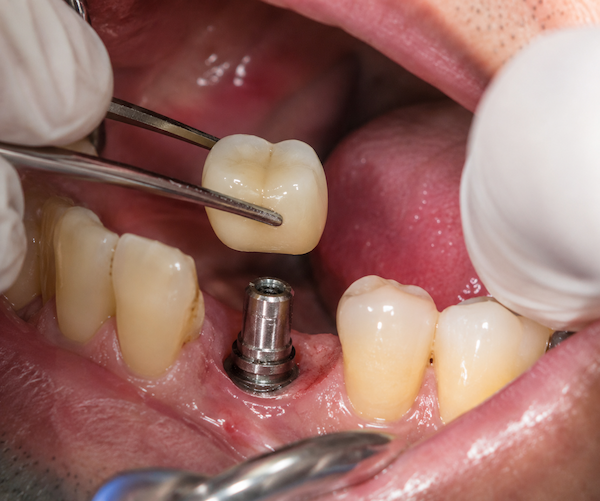
A dental implant consists of three parts:
- The implant fixture inside the bone
- The abutment that connects the implant and crown
- The visible crown
In many situations, only the crown or abutment becomes loose.
For example:
- Normal chewing forces may loosen screws over time.
- Minor trauma may affect the crown.
- Wear and tear may gradually reduce stability.
On the other hand, if the implant fixture itself moves, the problem requires immediate attention.
Therefore, a professional examination is necessary before concluding.
Common Warning Signs of a Loose Dental Implant
Recognizing symptoms early can significantly improve treatment outcomes.
Common warning signs include:
Movement While Chewing
You may notice:
- A slight rocking sensation
- Pressure when biting
- Shifting during meals
Pain or Discomfort
While many loose crowns cause little pain, discomfort can indicate deeper issues.
Swollen Gums
Inflamed tissue often develops around problematic implants.
Watch for:
- Redness
- Tenderness
- Bleeding during brushing
Persistent Bad Breath
Bacteria may accumulate around loose components.
Consequently, chronic bad breath can develop.
Difficulty Eating
Patients often report:
- Uneven bite pressure
- Sensitivity during chewing
- Reduced confidence when eating
If any of these symptoms occur, schedule an implant evaluation as soon as possible.
Why Is My Dental Implant Loose? The Most Common Causes
Several factors may contribute to implant mobility.
Loose Implant Crown
This is the most common cause.
Over time:
- Chewing forces affect the crown
- Retention screws may loosen
- Cement may weaken
Fortunately, dentists can often resolve this issue quickly.
Loose Abutment Screw
The abutment connects the implant to the crown.
When the screw loosens:
- The crown may move
- Chewing may feel unstable
- Clicking sensations may occur
Again, this problem is usually repairable.
Peri-Implantitis
Peri-implantitis is a bacterial infection affecting the tissues around an implant.
Symptoms include:
- Bleeding gums
- Bone loss
- Swelling
- Implant mobility
Without treatment, peri-implantitis can threaten implant survival.
Failed Osseointegration
Dental implants depend on osseointegration.
This process occurs when bone bonds directly to the implant surface.
If integration fails:
- The implant never fully stabilizes
- Movement develops
- Implant failure may occur
Several risk factors increase failure rates:
- Smoking
- Uncontrolled diabetes
- Poor oral hygiene
- Bone deficiency
The Difference Between a Loose Crown and a Failed Implant
Many patients assume any movement means complete implant failure.
Fortunately, that is often not the case.
Signs of a loose crown include:
- Crown movement only
- Little or no pain
- Stable surrounding gums
- No major bone loss
Signs of implant failure may include:
- Deep pain
- Significant movement
- Gum recession
- Pus formation
- Progressive bone loss
Therefore, accurate diagnosis is critical.
At Huangshan International Dental Hospital, implant evaluations are performed using advanced imaging and clinical examination to identify the exact source of mobility.
How Dentists Diagnose a Loose Dental Implant
Proper diagnosis involves several steps.
Dentists typically evaluate:
Implant Stability
Special instruments help measure movement.
Gum Health
Clinicians assess:
- Bleeding
- Swelling
- Pocket depth
Bone Support
Digital imaging reveals:
- Bone loss
- Implant positioning
- Structural integrity
Bite Analysis
Excessive bite forces may contribute to implant complications.
Modern clinics increasingly use AI-assisted imaging systems to improve diagnostic precision. At Huangshan International Dental Hospital, advanced AI dental technology supports treatment planning and helps identify issues before they become severe.
Treatment Options for a Loose Dental Implant
Treatment depends on the underlying cause.
Tightening the Abutment
If the abutment screw is loose:
- The crown is removed
- The screw is tightened
- Stability is restored
Replacing the Crown
Damaged crowns may require replacement.
Treating Peri-Implantitis
Management may involve:
- Deep cleaning
- Antibacterial therapy
- Surgical treatment
Implant Replacement
In severe cases, implant removal becomes necessary.
However, many loose implant cases can be corrected without replacing the implant.
Therefore, early intervention remains extremely important.
Preventing Dental Implant Loosening
Prevention is always easier than treatment.
Protect your implants by:
- Brushing twice daily
- Flossing regularly
- Attending routine checkups
- Avoiding smoking
- Managing diabetes
- Wearing a night guard if you grind your teeth
Additionally, professional maintenance visits help identify small problems before they become major concerns.
Patients seeking long-term implant success often choose clinics with extensive experience. At Huangshan International Dental Hospital, implant specialists have completed more than 10,000 successful implant cases and follow international treatment standards comparable to those in Europe and the United States.
FAQ
Is it normal for implants to become loose?
No. Dental implants should feel stable. However, a loose crown or abutment is more common than a loose implant fixture and can often be repaired.
How do you know if a dental implant is loose?
Common signs include movement during chewing, discomfort, gum inflammation, difficulty biting, and a shifting sensation around the implant area.
Is a loose implant an emergency?
A loose implant requires prompt attention. While it may not always be a true emergency, delaying treatment can increase the risk of infection, bone loss, and implant failure.
Conclusion
If you have been wondering, “Why Is My Dental Implant Loose?”, the most important step is not to ignore the problem.
In many situations, a loose crown or abutment can be repaired quickly. However, conditions such as peri-implantitis or implant failure require immediate professional care. Therefore, early diagnosis remains the key to preserving your implant and protecting your oral health.
Most importantly, if you notice any movement, discomfort, or swelling, contact your dentist as soon as possible. By acting early, you can often avoid more complex treatment and maintain the long-term success of your dental implant.