


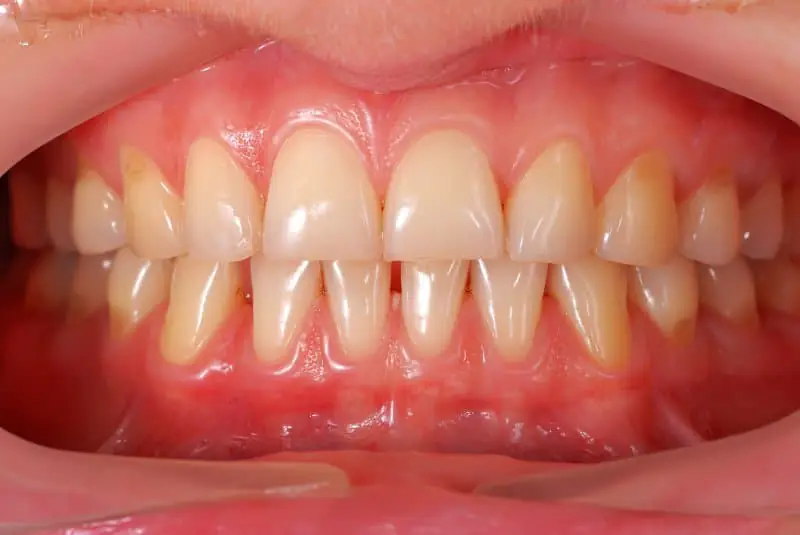
If you have periodontal disease, you may still keep your teeth for many years. However, the answer depends on timing, care, and disease severity. Some people keep their natural teeth for life with early diagnosis and steady treatment. Others lose teeth faster when infection, bone loss, and loose teeth go untreated.
Periodontal disease does not affect every patient in the same way. For example, mild gum inflammation may improve with cleanings and better home care. In contrast, advanced periodontitis can damage the bone that holds teeth in place. Therefore, the earlier you act, the better your chance of saving your teeth.
Also, your daily habits matter. Brushing, flossing, regular dental visits, and smoking control can change the long-term result. So, the goal is not only to stop bleeding gums. The real goal is to control infection, protect bone, and keep your teeth stable.
What Periodontal Disease Means for Your Teeth
Periodontal disease is a gum infection that affects the tissues around your teeth. First, plaque builds up along the gumline. Then, bacteria irritate the gums. As a result, the gums may become red, swollen, or easy to bleed.
At the early stage, dentists often call this gingivitis. Gingivitis affects the gums, but it does not usually destroy bone. Therefore, many patients can reverse it with professional care and better cleaning habits.
However, untreated gingivitis can turn into periodontitis. At this stage, the infection can reach deeper tissues. It may damage the ligament and bone that support the teeth. Over time, teeth may feel loose, shift position, or become painful when chewing.
So, periodontal disease is not just a “gum problem.” It can become a tooth-support problem. That is why patients should not wait until teeth move or fall out.
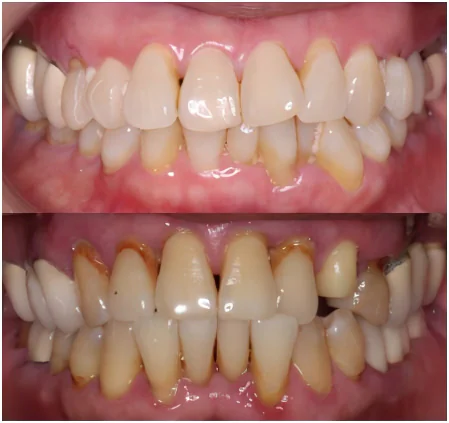
Why Some People Keep Their Teeth Longer
Some patients keep their teeth for decades after a gum disease diagnosis. However, they usually follow a clear care plan. They visit the dentist on time. They clean between teeth every day. Also, they treat health risks that can make gum disease worse.
Several factors affect how long teeth may last:
- Stage of gum disease
- Amount of bone loss
- Depth of gum pockets
- Tooth mobility
- Smoking habits
- Diabetes control
- Oral hygiene quality
- Frequency of professional cleanings
- Bite pressure or teeth grinding
- Response to periodontal treatment
For example, a patient with mild bone loss may keep teeth for many years. However, a patient with deep pockets, heavy tartar, and loose teeth needs faster treatment. In addition, smoking can reduce healing and raise the risk of tooth loss.
Therefore, the timeline is personal. A dentist must check your gums, bone level, and tooth stability before giving a realistic answer.
Early Signs You Should Not Ignore
Gum disease can stay quiet for a long time. In fact, many patients do not feel pain at first. However, the lack of pain does not mean the gums are healthy. Therefore, you should watch small changes.
Common warning signs include:
- Bleeding when brushing or flossing
- Red, swollen, or tender gums
- Persistent bad breath
- Gum recession
- Teeth that look longer
- Loose teeth
- Sensitive teeth
- Pain when chewing
- Pus around the gums
- New gaps between teeth
At first, bleeding may seem minor. However, healthy gums should not bleed often. Also, bad breath may come from bacteria under the gumline. If the smell stays after brushing, you should book a dental exam.
In addition, gum recession can expose tooth roots. This may cause sensitivity and make teeth look longer. So, early signs are useful signals. They help you act before bone loss becomes severe.
Can Loose Teeth from Gum Disease Be Saved?
Sometimes, loose teeth can be saved. However, it depends on why the tooth is loose and how much support remains. If inflammation causes swelling around the tooth, treatment may improve stability. But if severe bone loss has already occurred, the tooth may have a poor long-term outlook.
A dentist may check:
- X-rays to measure bone loss
- Gum pocket depth
- Tooth mobility
- Bite pressure
- Root condition
- Infection level
- Patient cleaning habits
Then, the dentist may suggest deep cleaning, also called scaling and root planing. This removes plaque and tartar below the gumline. After that, the gums may heal tighter around the teeth.
However, some cases need advanced care. For example, flap surgery, bone grafting, or guided tissue regeneration may help selected patients. In other cases, splinting may connect loose teeth for support.
Still, not every tooth can be saved. Therefore, early treatment gives you more choices.
How Dentists Treat Gum Disease
Treatment aims to control bacteria, reduce inflammation, and protect the bone. First, the dentist or periodontist checks the stage of disease. Then, they create a plan based on gum pocket depth, tartar buildup, and bone support.
Common treatment options include:
- Professional dental cleaning
- Scaling and root planing
- Antibacterial therapy when needed
- Periodontal maintenance visits
- Bite adjustment
- Gum surgery for deeper pockets
- Bone grafting in selected cases
- Tooth extraction when a tooth cannot recover
For mild disease, professional cleaning and improved home care may work well. However, deeper infection often needs scaling and root planing. This treatment cleans the root surfaces under the gums.
After treatment, maintenance matters a lot. Many patients need cleanings every three or four months. This schedule helps control bacteria before the disease returns.
So, treatment is not a one-time fix. Instead, it is a long-term control plan.
Daily Habits That Help You Keep Your Teeth
Your home routine has a major effect on gum health. Even the best treatment may fail if plaque returns every day. Therefore, your daily cleaning routine should stay simple, steady, and correct.
Helpful habits include:
- Brush twice a day with a soft toothbrush
- Clean between teeth once a day
- Use floss, interdental brushes, or a water flosser
- Replace your toothbrush regularly
- Brush along the gumline gently
- Avoid smoking
- Limit sugary snacks and drinks
- Manage diabetes with medical support
- Visit the dentist on schedule
- Report bleeding or loose teeth early
Also, technique matters. Hard brushing can hurt the gums. However, gentle brushing with the right angle cleans better and protects tissue.
In addition, interdental brushes may help people with larger spaces between teeth. Floss may work better for tight contacts. Therefore, ask your dentist which tool fits your mouth.
How Long Before Teeth Fall Out?
There is no single timeline. Some patients may keep teeth for many years with treatment. Others may lose teeth within a shorter period if the disease is aggressive or untreated. Therefore, dentists do not judge by symptoms alone.
They look at clinical details, such as:
- How deep the pockets are
- How much bone remains
- Whether teeth move
- Whether infection is active
- How fast the disease has changed
- Whether the patient follows maintenance care
For example, mild gum disease may not lead to tooth loss if treated early. However, advanced periodontitis with severe bone loss can place teeth at high risk.
In addition, age alone does not decide tooth loss. Many older adults keep natural teeth with strong maintenance. Meanwhile, younger adults can lose teeth if gum disease progresses quickly. So, the key factor is disease control.
When Tooth Extraction Becomes Necessary
Dentists try to save natural teeth when possible. However, extraction may become the healthiest choice in some cases. This can happen when a tooth has very little bone support or causes repeated infection.
Extraction may be considered when:
- The tooth moves severely
- Bone loss is advanced
- Infection keeps returning
- The tooth cannot support chewing
- Pain affects daily life
- Treatment cannot create stability
- The tooth threatens nearby teeth
Even then, extraction is not a failure. Sometimes, removing a hopeless tooth protects the rest of the mouth. After that, the dentist can discuss replacement options. These may include dental implants, bridges, or removable dentures.
However, the best plan depends on bone health, gum condition, budget, and medical history. Therefore, patients should ask for a full diagnosis before choosing extraction or replacement.
Can Periodontal Disease Affect Overall Health?
Gum health connects with general health in several ways. Periodontal disease causes chronic inflammation in the mouth. Also, bacteria from infected gums may enter the bloodstream. Researchers continue to study these links.
Patients with diabetes need special attention. Poor blood sugar control can increase gum problems. Meanwhile, gum inflammation can make oral health harder to manage. Therefore, diabetic patients should keep close contact with both doctors and dentists.
Smoking is another major risk. It can hide bleeding, slow healing, and increase tooth loss risk. As a result, smokers may not notice gum disease until it becomes advanced.
However, gum treatment does not replace medical care. Instead, it supports overall wellness. So, patients with chronic disease should treat gum health as part of their wider health plan.
How to Fix Periodontal Disease?
You cannot fix every stage of periodontal disease in the same way. First, you need a dental exam. The dentist will measure gum pockets and take X-rays. Then, the treatment plan will match your condition.
For early gum disease, you may need:
- Professional cleaning
- Better brushing technique
- Daily interdental cleaning
- Regular checkups
- Lifestyle changes
For periodontitis, you may need:
- Scaling and root planing
- Periodontal maintenance
- Antibacterial care when suitable
- Gum surgery in advanced cases
- Bone or tissue procedures in selected cases
Also, you must control risk factors. For example, stop smoking if possible. Manage diabetes. Reduce plaque buildup. Keep dental visits consistent.
So, the simple answer is this: treat the infection, clean the pockets, maintain the results, and protect the gums every day.
Best Foods and Lifestyle Choices for Gum Support
Food cannot replace periodontal treatment. However, a healthy diet can support gum healing and immune function. Therefore, patients should focus on balanced meals, not miracle cures.
Helpful choices include:
- Fresh vegetables
- Whole fruits
- Lean protein
- Eggs
- Fish
- Nuts and seeds
- Whole grains
- Water
- Unsweetened dairy products
Also, try to limit frequent sugar intake. Sugar feeds plaque bacteria and raises cavity risk. Sticky snacks can stay around the gumline longer. So, timing and frequency matter.
In addition, avoid tobacco. Smoking can make gum disease harder to detect and harder to treat. Also, alcohol can dry the mouth in some people. A dry mouth may increase plaque buildup.
Therefore, lifestyle changes work best when combined with professional periodontal care.
How to Talk to Your Dentist About Tooth Survival
Patients often feel nervous about asking direct questions. However, clear questions help you make better choices. Therefore, prepare before your appointment.
You can ask:
- How much bone have I lost?
- Are any teeth loose?
- What stage is my gum disease?
- Can my loose teeth be saved?
- Do I need deep cleaning?
- How often should I return?
- Do I need a periodontist?
- What happens if I wait?
- Which teeth have the best outlook?
- Which habits should I change first?
Also, ask your dentist to show you your X-rays. Visuals can make the problem easier to understand. In addition, ask for a written care plan if you feel overwhelmed.
A good plan should explain the diagnosis, treatment steps, costs, and maintenance schedule. Then, you can act with more confidence.
Summary: Keeping Your Teeth Starts with Control
Periodontal disease does not always mean tooth loss. Many people keep their teeth for a long time when they treat gum infection early and maintain healthy habits. However, untreated disease can damage bone, loosen teeth, and lead to extractions.
The most important step is control. First, get a periodontal exam. Then, follow the treatment plan. Also, brush twice daily, clean between your teeth, avoid smoking, and keep maintenance visits.
In short, you can often keep your teeth longer with timely care. However, you should not guess the stage of your gum disease at home. A dentist can check your gums, measure bone support, and tell you which teeth are still stable.
If you worry about periodontal disease, act now. Early treatment gives your natural teeth the best chance to last.