


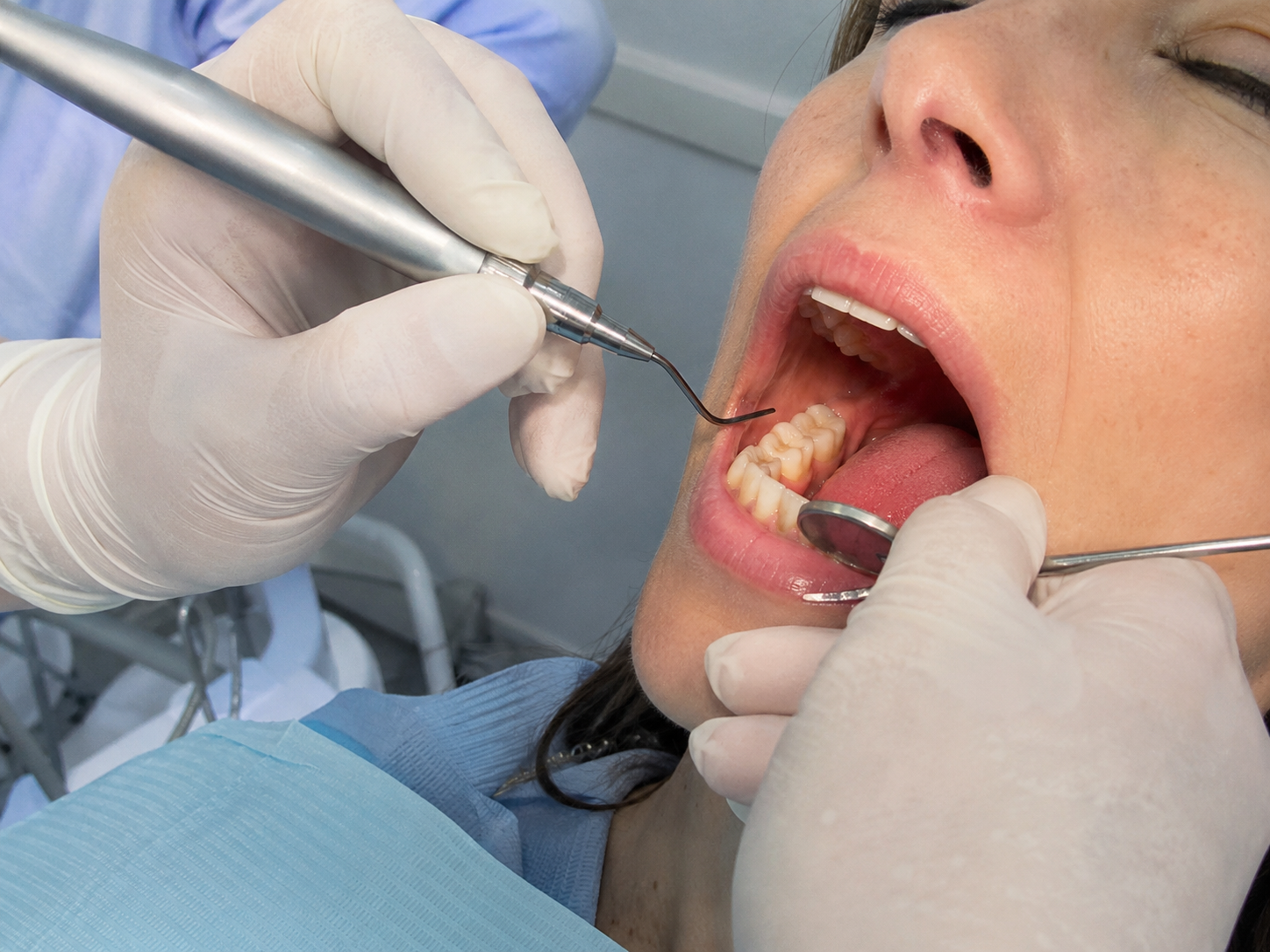
Why Dental Filling for Cavities Should Be Done Early
Dental filling for cavities is one of the simplest ways to stop tooth decay. However, many people wait until the pain becomes unbearable. At first, a cavity may look small. It may not hurt. So, people often ignore it.
However, tooth decay does not heal by itself. Once enamel breaks down, bacteria keep moving deeper. Then, the cavity becomes larger. As a result, treatment becomes more complex.
Early treatment has clear benefits:
- It helps stop decay from spreading
- It protects more natural tooth structure
- It reduces the risk of a severe toothache
- It lowers the chance of root canal treatment
- It usually costs less than advanced treatment
Therefore, early cavity care is not just about comfort. It is also about saving the tooth. In many cases, a small filling today can prevent major dental work later.
How Tooth Decay Starts
Tooth decay begins when bacteria produce acid. These bacteria feed on sugar and food debris. Then, acid attacks the enamel surface. Over time, the enamel becomes weak.
At the beginning, decay may appear as a white spot. Later, it can turn brown or black. If it keeps growing, a hole forms in the tooth.
Several habits can increase cavity risk:
- Frequent sugary snacks
- Sweet drinks
- Poor brushing
- Lack of flossing
- Dry mouth
- Deep tooth grooves
- Irregular dental checkups
Moreover, cavities can start between teeth. These areas are hard to see. Therefore, a person may not notice decay until pain appears.
This is why routine dental exams matter. Dentists can find early decay before it becomes painful. They can also use X-rays when needed. As a result, treatment can begin at a better time.
Small Cavities Can Become Big Problems
Many patients delay treatment because the tooth stops hurting. However, this can be misleading. Pain may come and go. Still, decay often continues under the surface.
A small cavity usually affects only the enamel or outer dentin. At this stage, a simple filling may solve the problem. However, deeper decay can reach the inner tooth tissue. This tissue contains nerves and blood vessels.
When decay reaches the pulp, pain can become intense. The tooth may hurt at night. It may also react strongly to cold, heat, or sweet food.
If infection spreads further, it can affect the root tip. Then, swelling or pus may appear. In severe cases, the infection can spread to nearby bone and soft tissue.
Therefore, the old saying is true: a small hole ignored can become a big problem. Early care protects the tooth and reduces stress.
Common Signs You May Need a Filling
Some cavities cause no pain in the early stage. However, the tooth may still show warning signs. Therefore, patients should not wait for severe pain.
Common signs include:
- A visible hole in the tooth
- Brown, black, or white spots
- Food getting stuck in one area
- Sensitivity to cold drinks
- Sensitivity to sweet foods
- Mild pain when biting
- Rough edges on a tooth
- Bad breath from trapped food
In addition, old fillings can fail. A filling may crack, loosen, or leak. When this happens, bacteria can enter again. So, a dentist should check the tooth.
Sometimes, pain comes from gum disease or tooth cracks instead of cavities. Therefore, self-diagnosis can be risky. A dental exam gives a clearer answer.
If symptoms appear, book a visit soon. Early cavity treatment often feels easier and faster than emergency dental care.
Simple Dental Filling for Early Tooth Decay
A simple filling works well when decay has not reached the nerve. In this stage, the dentist removes the decayed part. Then, the dentist restores the tooth with filling material.
This treatment usually helps restore:
- Tooth shape
- Chewing function
- Surface smoothness
- Protection against further decay
- Comfort while eating
Common filling materials include composite resin and glass ionomer. Composite resin can match natural tooth color. Therefore, many patients prefer it for visible teeth. Glass ionomer can release fluoride. So, dentists may choose it for certain cases.
However, the best material depends on the tooth. It also depends on cavity size, bite force, moisture control, and budget.
A simple filling is usually quicker than advanced treatment. It also preserves more natural tooth tissue. Therefore, dentists often recommend treating cavities before they become deep.
When Root Canal Treatment Becomes Necessary
If decay reaches the pulp, a simple filling may not be enough. The pulp can become infected or inflamed. Then, the patient may feel spontaneous pain. The tooth may hurt even without eating.
Common signs of pulp infection include:
- Severe toothache
- Night pain
- Lingering heat sensitivity
- Pain when biting
- Swelling near the gum
- Pus or a gum bump
- Pain that spreads to the jaw or ear
In this situation, root canal treatment may be needed. During this treatment, the dentist removes infected pulp tissue. Then, the root canals are cleaned and sealed. After that, the tooth needs restoration.
A filling may work for some front teeth. However, back teeth often need stronger protection. This is because molars carry a heavy chewing force.
Therefore, root canal treatment is not the first choice for every cavity. It becomes necessary when the infection reaches a deeper stage.
When a Crown May Be Needed
Some teeth lose a large amount of structure. In these cases, a filling alone may not protect the tooth well. If more than half of the crown is damaged, the tooth may become weak.
After root canal treatment, some teeth become more fragile. Therefore, the dentist may recommend a post and crown. A post helps support the core buildup. A crown covers the tooth and protects it during chewing.
A crown may help when:
- The cavity is very large
- The tooth has deep cracks
- A large filling failed
- The tooth had root canal treatment
- The biting surface is weak
- The remaining tooth walls are thin
However, not every root canal tooth needs the same restoration. The dentist should check tooth position, remaining structure, and bite force.
In short, early fillings are simpler. Delayed treatment may require root canal therapy, post placement, and a crown.
Why Delaying Treatment Costs More
Many people delay dental care because they worry about cost. However, delay often makes treatment more expensive. A small cavity usually needs a simple filling. A deep cavity may need multiple visits and advanced care.
As decay progresses, the treatment path can change:
- Early decay: monitoring or preventive care
- Small cavity: dental filling
- Deep cavity: larger restoration
- Pulp infection: root canal treatment
- Severe tooth damage: post and crown
- Non-restorable tooth: extraction and replacement
Moreover, missing teeth can create new problems. Nearby teeth may shift. The bite may change. Chewing can become harder. Later, the patient may need implants, bridges, or dentures.
Therefore, early treatment can save time and money. More importantly, it helps keep natural teeth. Natural teeth are valuable, and they should be protected whenever possible.
What to Know Before a Dental Filling
Before a filling, the dentist should examine the tooth. Sometimes, an X-ray helps show how deep the cavity is. Then, the dentist can choose a suitable treatment.
Patients should tell the dentist about:
- Tooth pain history
- Sensitivity to hot or cold
- Medication use
- Allergies
- Pregnancy
- Medical conditions
- Previous dental treatment
In addition, patients should ask about filling material. The most expensive option is not always the best. The right option depends on the case.
A good dental clinic should follow strict hygiene standards. Sterilization matters. So does clinical experience. Proper isolation also helps fillings last longer.
Before treatment, eat as advised by the clinic. Also, arrive on time. If you feel nervous, tell the dentist. Clear communication makes the visit easier.
What Happens During a Filling
A dental filling is usually a routine procedure. First, the dentist checks the tooth. Then, local anesthesia may be used if the cavity is deep or sensitive.
The main steps often include:
- Numbing the area when needed
- Removing decayed tooth tissue
- Cleaning the cavity
- Placing the filling material
- Shaping the surface
- Checking the bite
- Polishing the restoration
The goal is to restore the tooth and stop decay. The filling should feel smooth. It should also allow a comfortable bite.
After the procedure, the mouth may feel numb for a short time. Therefore, patients should avoid chewing until a normal feeling returns. This helps prevent accidental cheek or tongue biting.
If the bite feels high after anesthesia wears off, contact the dentist. A small adjustment can often solve the problem.
Aftercare Tips After a Filling
Aftercare helps protect the restored tooth. Although a filling repairs decay, it does not make the tooth immune to future cavities. Therefore, oral hygiene still matters.
Patients should follow these tips:
- Brush twice a day
- Floss once a day
- Reduce sugary snacks
- Avoid frequent sweet drinks
- Use fluoride toothpaste
- Visit the dentist regularly
- Do not bite hard objects
- Report pain that does not improve
For glass ionomer fillings, the dentist may advise gentle chewing for the first 24 hours. This material continues to mature after placement. Therefore, patients should follow clinic instructions.
For composite resin fillings, avoid heavy pressure on the restored tooth at first. Also, avoid using very hard toothbrushes on the restoration edge.
Mild sensitivity can happen after a filling. However, it should improve. If pain gets worse, the dentist should check the tooth.
How to Prevent New Cavities
Prevention is always better than repair. Even after a dental filling, new decay can form around the filling edge. It can also form on other teeth.
Good prevention includes:
- Brushing for two minutes each time
- Cleaning between teeth daily
- Limiting snacks between meals
- Drinking more water
- Using fluoride toothpaste
- Getting dental checkups
- Treating dry mouth
- Asking about sealants if needed
Moreover, diet plays a major role. Sugar frequency matters more than sugar amount. If someone sips sweet drinks all day, teeth face repeated acid attacks.
Children, teens, and adults all need prevention. Cavities are common, but they are not harmless. With the right habits, many cavities can be avoided.
Therefore, a filling should become a reminder. It should encourage better daily care, not replace it.
When to Seek Dental Care Quickly
Some symptoms need prompt attention. They may signal infection, failed restoration, or another oral health issue.
Contact a dentist soon if you notice:
- Severe toothache
- Swelling in the gums or face
- Fever with dental pain
- Pain when biting
- A loose filling
- A cracked tooth
- Pus near the gum
- Numbness in the mouth
- A sore that lasts over two weeks
- Red or white patches in the mouth
Also, seek care if a new growth appears in the mouth. This is especially important if it looks rough, bleeds, or does not heal.
These signs do not mean a filling caused the problem. However, they do mean the mouth needs professional evaluation.
Early care can prevent complications. It can also bring peace of mind.
Summarize
Dental filling for cavities is a simple but important treatment. It helps stop tooth decay before it reaches the nerve. It also protects chewing function and natural tooth structure.
The key points are clear:
- Small cavities should not be ignored
- Tooth decay does not heal by itself
- Early fillings are usually simpler
- Deep cavities may need root canal treatment
- Severe tooth damage may need a crown
- Good aftercare prevents future decay
- Regular checkups help find problems early
Therefore, patients should not wait for unbearable pain. If a tooth feels sensitive, looks dark, or traps food, a dental visit is wise.
In conclusion, dental filling for cavities can save your tooth, reduce pain, and prevent more expensive treatment. The earlier you treat decay, the better your chance of keeping a healthy smile.