


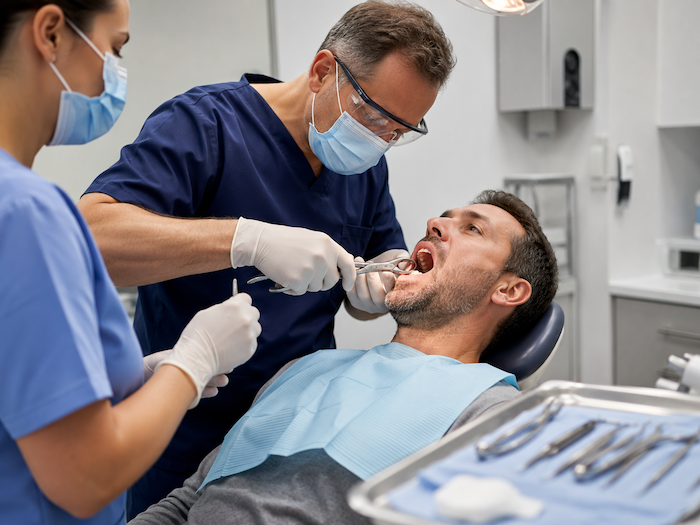
Tooth extraction precautions are important before and after a tooth removal procedure. A tooth extraction is one of the most common procedures in oral and maxillofacial surgery. Dentists may recommend it when a tooth has severe decay, advanced gum disease, root infection, trauma, or a poor long-term prognosis.
However, a tooth is still a functional organ. It helps with chewing, speaking, facial support, and appearance. Therefore, both dentists and patients should consider the decision carefully. If a tooth can be saved with reasonable treatment, extraction may not be the first choice.
Many patients feel anxious before tooth extraction. Some fear pain, bleeding, swelling, or complications. As a result, they may delay treatment. In some cases, fear can also increase blood pressure and heart rate.
Therefore, patients should prepare both physically and mentally. Good communication with the dentist helps reduce fear. Also, a clear medical history helps the dental team choose a safer plan.
Why Preparation Matters Before Tooth Extraction
In most routine cases, tooth extraction causes limited soft tissue and bone injury. A skilled dentist can usually control the procedure well. However, some patients need extra care because of their medical condition.
For example, heart disease, high blood pressure, diabetes, blood disorders, liver disease, kidney disease, pregnancy, and cancer treatment history may affect safety. Some medicines can also increase bleeding or delay healing.
Therefore, patients should not hide health problems from the dentist. They should also bring a list of all medicines. This includes prescription drugs, painkillers, blood thinners, supplements, and herbal products.
In addition, patients should tell the dentist about allergies. These may include allergies to antibiotics, pain medicines, latex, iodine, or local anesthetics.
If the patient has fever, facial swelling, chest pain, severe headache, uncontrolled blood pressure, or breathing problems, the dentist may delay non-urgent extraction. This choice protects the patient.
Contraindications and High-Risk Conditions for Tooth Extraction
Some conditions may make tooth extraction unsafe at a certain time. In these cases, the dentist may delay treatment, request medical clearance, or work with a physician.
This does not always mean the patient can never have a tooth removed. Instead, it means the timing and treatment plan need careful control.
Patients should pay special attention to the following conditions:
- Heart disease
- High blood pressure
- Blood disorders
- Diabetes and thyroid disease
- Cancer or radiation therapy history
- Liver disease
- Kidney disease
- Pregnancy
- Acute infection
- Long-term steroid use
In many cases, extraction can still happen after the condition becomes stable. However, the dentist must assess the risk first.
Heart Disease and Tooth Extraction
Patients with heart disease need careful evaluation before extraction. Strong fear, pain, and stress may place extra pressure on the heart. Therefore, the dentist should understand the patient’s heart history before treatment.
Extraction may need to be delayed in these situations:
- Active heart failure symptoms
- Recent heart attack
- Unstable angina
- Severe shortness of breath
- Blue lips or obvious cyanosis
- Severe leg swelling
- Uncontrolled arrhythmia
- Active rheumatic heart disease
However, some patients with heart disease can still have dental extraction after medical control. For example, if heart function is stable, the dentist may arrange treatment with proper monitoring.
Patients with certain heart conditions may need antibiotics before some dental procedures. This depends on their risk of infective endocarditis. The dentist should follow current medical guidance.
Patients should never decide this by themselves. Instead, they should bring medical reports and follow advice from both the dentist and the physician.
High Blood Pressure and Tooth Extraction
High blood pressure is common in dental patients. In many cases, extraction can proceed if blood pressure stays controlled with medicine. However, stress during treatment can raise blood pressure.
Some patients may have a noticeable increase in blood pressure during extraction. Anxiety, pain, poor sleep, and fear can make this worse. Therefore, blood pressure checks before treatment are useful.
Extraction may need to be delayed if:
- Blood pressure is very high
- The patient has dizziness or a severe headache
- The patient feels chest tightness
- The patient has heart, brain, or kidney damage
- The patient is extremely nervous and unstable
A commonly used high-risk reference is around 180/100 mmHg. However, dentists may use clinical judgment. The patient’s symptoms also matter.
Patients with hypertension should take their medicine as directed. They should not stop medicine before dental treatment unless a physician tells them to do so.
Blood Disorders and Bleeding Risk
Blood disorders may increase the risk of bleeding after extraction. Therefore, patients must tell the dentist about any bleeding problem before treatment.
Important conditions include:
- Hemophilia
- Leukemia
- Severe anemia
- Thrombocytopenia
- Aplastic anemia
- Purpura
- Clotting factor problems
These conditions may cause prolonged bleeding after extraction. Because of this, the dentist may request blood tests before treatment. In some cases, hospital-based dental care may be safer.
Patients should also mention easy bruising, nosebleeds, heavy menstruation, or past surgical bleeding. These details may reveal a clotting problem.
If the patient uses blood thinners, the dentist must know. These medicines include warfarin, aspirin, clopidogrel, rivaroxaban, apixaban, and similar drugs.
Patients should not stop blood thinners on their own. Stopping them may increase the risk of stroke or heart attack. Instead, the dentist and physician should make a safe plan.
Diabetes, Thyroid Disease, and Metabolic Conditions
Diabetes can affect tooth extraction healing. Poor blood sugar control may increase infection risk and slow wound healing. Therefore, patients with diabetes should prepare carefully.
Before extraction, patients should tell the dentist:
- Their usual blood sugar level
- Their diabetes medicines
- Whether they use insulin
- Whether they had a recent low blood sugar
- Whether they have kidney or heart complications
In general, extraction is safer when blood sugar is well controlled. Patients should eat and take medicine as directed unless the dentist gives different instructions.
Thyroid disease also matters. Patients with uncontrolled hyperthyroidism may have a higher risk during dental treatment. Fast heart rate, sweating, shaking, and anxiety may worsen under stress.
For patients with hyperthyroidism, the dentist may avoid epinephrine in local anesthetic when needed. The exact plan depends on the patient’s condition.
Therefore, stable control is important before elective extraction. If symptoms are active, the dentist may delay treatment.
Cancer, Radiation Therapy, and Tooth Extraction
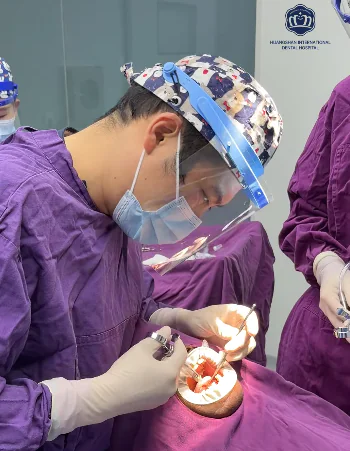
Patients with cancer need special dental planning. The approach depends on the tumor type, location, treatment stage, and radiation history.
If a tumor involves the tooth area, the dentist should not simply remove the tooth without proper cancer planning. In some cases, the tooth and diseased tissue need treatment together.
Patients who will receive radiation therapy to the jaw may need dental evaluation before radiation starts. Dentists may remove hopeless teeth before treatment to reduce later complications.
However, teeth in a previously irradiated jaw require great caution. Extraction in that area may increase the risk of poor healing and jawbone infection.
Patients should tell the dentist if they had:
- Head and neck radiation therapy
- Chemotherapy
- Cancer surgery
- Bone-modifying medicines
- Immunotherapy
- Recent low white blood cell count
In many cases, the dentist may work with the oncologist. This helps reduce infection, bleeding, and healing risks.
Liver Disease and Tooth Extraction
Liver disease can affect blood clotting. The liver helps make clotting factors. Therefore, severe liver disease may increase bleeding risk after extraction.
Patients should tell the dentist if they have:
- Hepatitis
- Cirrhosis
- Fatty liver with abnormal liver function
- Liver failure
- Easy bruising
- Past abnormal bleeding
If liver disease is active or severe, the dentist may delay elective extraction. Blood tests may be needed before surgery.
In mild cases, extraction may still be possible. However, the dentist may plan extra bleeding control. The patient may also need advice from a physician.
Patients should avoid alcohol before and after extraction. Alcohol may affect bleeding, healing, and medicine safety.
Also, patients should not take pain medicine without advice. Some painkillers may be unsuitable for people with liver disease.
Kidney Disease and Tooth Extraction
Kidney disease can affect dental treatment in several ways. It may change bleeding risk, infection risk, blood pressure, and medicine choices.
Patients should tell the dentist if they have:
- Chronic kidney disease
- Kidney failure
- Dialysis treatment
- Kidney transplant history
- High blood pressure caused by kidney disease
Severe kidney disease may require medical clearance before extraction. Some patients may need treatment timing based on dialysis days.
The dentist may also adjust antibiotics or pain medicine. This is because the kidneys help remove many drugs from the body.
Patients with kidney disease should not take random anti-inflammatory medicine. Some drugs may worsen kidney function. Therefore, the choice should be professional.
With proper planning, many patients with kidney disease can still receive safe dental care.
Pregnancy, Menstruation, and Tooth Extraction
Pregnancy requires careful dental planning. If extraction is urgent, treatment should not be ignored. Dental infection can also affect health. However, elective treatment may need better timing.
The second trimester is often a more comfortable period for necessary dental treatment. Still, each patient is different. The dentist may consult the obstetrician when needed.
Pregnant patients should tell the dentist:
- Pregnancy week
- History of miscarriage or premature birth
- High-risk pregnancy status
- Current medicines
- Allergies
- Blood pressure status
Patients with a history of recurrent miscarriage or premature birth may need extra caution. Non-urgent extraction may be delayed when appropriate.
Menstruation is not always a strict contraindication. However, some patients feel weak, sensitive, or uncomfortable during this period. If the extraction is not urgent, a different date may be more comfortable.
The final decision should consider symptoms, urgency, and general condition.
Acute Oral Infection and Tooth Extraction
Acute infection around a tooth can make treatment more complicated. Some dentists may extract the tooth to help drainage. Others may control the infection first.
The right choice depends on several factors:
- Location of the tooth
- Severity of infection
- Swelling range
- Difficulty of extraction
- Patient’s general health
- Dentist’s surgical judgment
For example, some upper teeth drain more easily. However, impacted teeth or deep infections may spread faster. If the patient already has a space infection, simple extraction may not be enough.
Signs of serious infection include:
- Fever
- Rapid facial swelling
- Difficulty opening the mouth
- Trouble swallowing
- Trouble breathing
- Severe weakness
In these cases, urgent care may be needed. The dentist may need to drain the infection, prescribe medicine, or refer the patient to a hospital.
Therefore, acute infection does not have one simple rule. The dentist should choose the safest plan.
Long-Term Steroid Use and Tooth Extraction
Patients who use steroid medicine for a long time need special attention. Steroids may affect immune function, wound healing, and the body’s stress response.
Common steroid medicines include prednisone, methylprednisolone, and similar drugs. Patients may take them for asthma, autoimmune disease, skin disease, kidney disease, or other conditions.
Before extraction, patients should tell the dentist:
- Steroid name
- Daily dose
- How long they have used it
- Whether they stopped recently
- Main disease being treated
The dentist may consult the patient’s physician in complex cases. Some patients may need an adjusted medicine plan before surgery.
Patients should not stop steroids suddenly. Sudden stopping can be dangerous. Instead, they should follow medical guidance.
With proper planning, many long-term steroid users can still have safe dental treatment.
Post-Extraction Complications and Aftercare
After extraction, patients should focus on protecting the blood clot. This clot covers the socket and supports healing. If the clot moves too early, pain and delayed healing may occur.
Normal symptoms may include:
- Mild bleeding
- Blood-stained saliva
- Mild to moderate pain
- Swelling
- Jaw stiffness
- Bruising
- Temporary bad taste
- A yellow-white healing layer
However, some symptoms need dental review. These include heavy bleeding, worsening pain, fever, pus, bad smell, increasing swelling, or trouble swallowing.
Good aftercare helps reduce complications. Therefore, patients should follow the dentist’s instructions closely. They should also return for follow-up if symptoms feel unusual.
Bleeding After Tooth Extraction
A small amount of bleeding after extraction is normal. In the first one to three days, saliva may contain red blood streaks. This usually becomes less over time.
Normal bleeding often looks like:
- Pink saliva
- Light blood streaks
- Slow oozing
- Gradual improvement
In this case, avoid irritating the wound. Do not spit hard. Do not rinse hard. Do not drink through a straw. Also, avoid hot drinks on the first day.
Active bleeding is different. It may form repeated blood clots in the socket. When the clot falls out, bleeding may start again. This pattern may need dental care.
If you cannot return to the clinic immediately, you can try pressure at home:
- Wash your hands
- Place clean gauze over the socket
- Bite firmly for 40 to 60 minutes
- Keep the pressure steady
- Repeat two or three times if needed
If bleeding still does not stop, contact your dentist. If you feel dizzy, weak, or short of breath, seek urgent care.
Pain After Tooth Extraction
Pain after extraction is common. The pain level depends on the tooth position, extraction difficulty, infection, bone removal, and personal sensitivity.
Some discomfort during the first week can be normal. For example:
- Dull pain around the wound
- Mild gum soreness
- Pain in nearby teeth
- Short, sharp pain that later settles
- More noticeable pain at night
If pain is obvious, take pain medicine as directed. If the pain is mild but annoying, medicine may still help. However, do not exceed the recommended dose.
Some symptoms need dental review:
- Severe pain after five days
- Pain medicine cannot control the pain
- Pain continues after two weeks
- Severe pain within one or two days with obvious swelling
- Pain becomes worse instead of better
Do not place aspirin directly on the gum. This can burn tissue. Also, do not take antibiotics without dental advice.
If you feel unsure, schedule a follow-up visit. Early checking is safer than guessing.
Dry Socket After Tooth Extraction
Dry socket is a painful healing problem after extraction. It often happens when the blood clot is lost or breaks down too early. Then the socket may become exposed and painful.
Dry socket is more common after lower back tooth extraction. It is especially common after impacted lower wisdom tooth removal.
Normal extraction pain usually improves after two or three days. However, dry socket pain often becomes worse during this period.
Common signs include:
- Severe pain two to five days after extraction
- Pain spreading to the ear, temple, jaw, or head
- Bad breath
- Bad taste
- Empty-looking socket
- Visible bone in the socket
- Pain that does not respond well to painkillers
A dry socket needs dental treatment. The dentist may clean the socket and place a medicated dressing. This reduces pain and protects the area.
To reduce risk, avoid smoking, straws, forceful rinsing, and touching the wound. Also, follow all aftercare instructions carefully.
Swelling After Tooth Extraction
Swelling after extraction is common, especially after surgical extraction. It often starts 12 to 24 hours after treatment. It may peak around the second or third day. Then it should slowly improve.
Deeply impacted teeth may cause more swelling. This is because the surgery may involve a larger incision or bone removal.
Cold compresses may help on the day of extraction. Apply them to the outside of the face as your dentist recommends. Rest also helps reduce swelling.
Normal swelling usually feels soft. It may cause mild tenderness. Bruising or a firm area may also appear during recovery. These signs often improve within one to two weeks.
However, swelling may also suggest a problem. Patients should watch for:
- Swelling that keeps getting worse
- Hard, tense swelling
- Severe pressure pain
- Pus
- Fever
- Difficulty opening the mouth
- Difficulty swallowing
A blood hematoma or infection may need dental care. Therefore, do not ignore severe or worsening swelling.
Fever After Tooth Extraction
A mild fever soon after extraction may happen in some patients. However, fever needs attention when it is high, persistent, or delayed.
Some patients may have a temporary body response after oral surgery. This may improve within 24 hours. Drinking water and resting may help.
However, fever on the third or fourth day is more concerning. It may suggest infection, especially when it appears with swelling or worsening pain.
Contact your dentist if you have:
- Fever after several days
- Increasing facial swelling
- Pus from the wound
- Bad taste
- Bad smell
- Severe fatigue
- Worsening pain
Patients with diabetes, heart disease, kidney disease, or immune problems should act earlier. Infection can become more serious in these patients.
Do not take leftover antibiotics by yourself. The wrong medicine may delay proper treatment. Instead, let the dentist check the cause.
What Can You Eat After Tooth Extraction?
On the day of extraction, avoid very hot food and drinks. Heat may increase bleeding. Therefore, choose cool or lukewarm food first.
Good food choices include:
- Yogurt
- Eggs
- Mashed potatoes
- Soft noodles
- Porridge
- Smooth soup that is not hot
- Soft fish
- Tofu
For the first few days, avoid spicy and irritating foods. Also avoid hard, sharp, or crumbly foods. Nuts, chips, seeds, and crusty bread may irritate the socket.
Chew on the opposite side when possible. This protects the wound. If both sides had surgery, ask the dentist for a safer diet plan.
Avoid alcohol after extraction. Alcohol may affect healing and medicine safety. Also, avoid smoking because it can increase dry socket risk.
Drink enough water. However, do not use a straw during early healing.
When Can You Chew After Tooth Extraction?
Many patients can eat about two hours after extraction. However, this depends on numbness, bleeding, and the difficulty of the procedure.
If the lower lip, tongue, or cheek still feels numb, wait longer before chewing. Numbness may last three to six hours after certain nerve block anesthetics. Eating too early may cause accidental biting.
For simple extraction, patients may return to soft chewing soon. However, complex extraction may need a slower return.
If you had surgical removal, large swelling, or jaw stiffness, start with semi-liquid food. Then return to normal chewing when pain and swelling improve.
Do not test the wound with hard food. Also, do not chew directly on the extraction site during early healing.
If chewing causes bleeding, pain, or food trapping, switch back to softer food. Then contact your dentist if symptoms persist.
Food Trapped in the Extraction Socket
After a back tooth extraction, the socket may look like a hole. This can worry patients. However, it is often part of normal healing.
The socket usually becomes shallower over time. In many cases, it may take one to two months to look much flatter. Deeper bone healing takes even longer.
Food may get trapped in the socket during this period. Usually, gentle rinsing can remove it.
You can try:
- Warm salt-water rinses after 24 hours
- Gentle rinsing after meals
- Careful brushing around the area
- Avoiding sharp tools
Do not dig deeply into the socket. Toothpicks may injure new tissue. They may also disturb healing.
If food stays trapped and causes pain, ask your dentist for help. If the wound suddenly becomes painful or swollen after two weeks, book a checkup.
Most food trapping does not damage healing. However, repeated irritation may cause local inflammation.
Yellow or White Material on the Wound
Many patients notice yellow-white material on the extraction wound. They may worry it is pus, a leftover tooth, or bone. However, it is often normal.
This layer may include saliva, fibrin, blood cells, food debris, and healing tissue. It may look yellow, white, or grayish. Usually, it is soft.
A normal healing layer often appears with:
- Improving pain
- Less swelling
- No fever
- No strong bad smell
- No pus flow
Do not scrape it away. Scraping may delay healing and cause bleeding.
However, hard pieces feel different. A tooth fragment or bone edge may feel sharp and firm. If you feel a hard object, contact your dentist.
Also, contact your dentist if the yellow-white area appears with severe pain, foul smell, fever, or swelling. These signs may suggest infection or dry socket.
Oral Hygiene After Tooth Extraction
Good oral hygiene helps with healing. However, cleaning should be gentle. During the first day, avoid hard rinsing and spitting.
You can brush the other teeth carefully. Avoid brushing directly over the socket at first. Also, avoid touching the wound with fingers or the tongue.
After 24 hours, gentle warm salt-water rinses may help. Let the water move softly in the mouth. Then let it fall out. Do not spit forcefully.
A simple routine may include:
- Brush the other teeth gently
- Rinse gently after meals
- Keep food away from the wound
- Avoid smoking
- Avoid alcohol
- Avoid straws
- Follow the medicine instructions
If stitches were placed, do not pull them. Some stitches dissolve by themselves. Others need removal at a follow-up appointment.
If you use a prescribed mouthwash, follow the dentist’s instructions.
Warning Signs That Need a Dental Review
Most extraction wounds heal well. However, patients should know the warning signs. An early review can prevent bigger problems.
Contact your dentist if you notice:
- Bleeding that does not stop with pressure
- Severe pain after several days
- Pain medicine does not help
- Swelling gets worse after the third day
- Fever
- Pus
- Bad breath with severe pain
- Bad taste with worsening symptoms
- Trouble opening the mouth
- Trouble swallowing
- Numbness that lasts too long
- A hard, sharp fragment in the socket
Seek urgent care if breathing becomes difficult. Also seek urgent care if swelling spreads quickly.
Patients with high-risk medical conditions should be more cautious. This includes diabetes, heart disease, blood disorders, kidney disease, and immune problems.
If you are unsure, a follow-up visit is always reasonable. Dental problems are easier to manage early.
Final Summary
Tooth extraction precautions include preparation before surgery and careful aftercare afterward. Before extraction, patients should tell the dentist about heart disease, high blood pressure, blood disorders, diabetes, thyroid disease, cancer treatment, liver disease, kidney disease, pregnancy, acute infection, and long-term steroid use.
After extraction, patients should protect the blood clot. They should avoid hot food, smoking, alcohol, straws, forceful rinsing, and heavy exercise during early healing. These steps help reduce bleeding and dry socket risk.
Some pain, swelling, light bleeding, food trapping, and yellow-white healing tissue can be normal. However, severe bleeding, worsening pain, fever, pus, bad smell, increasing swelling, or trouble swallowing needs dental review.
In most cases, patients recover well after tooth extraction. However, safe healing depends on good planning, honest medical history, and proper aftercare. With the right tooth extraction precautions, patients can reduce risk and recover more comfortably.