


What Is Teeth Demineralization?
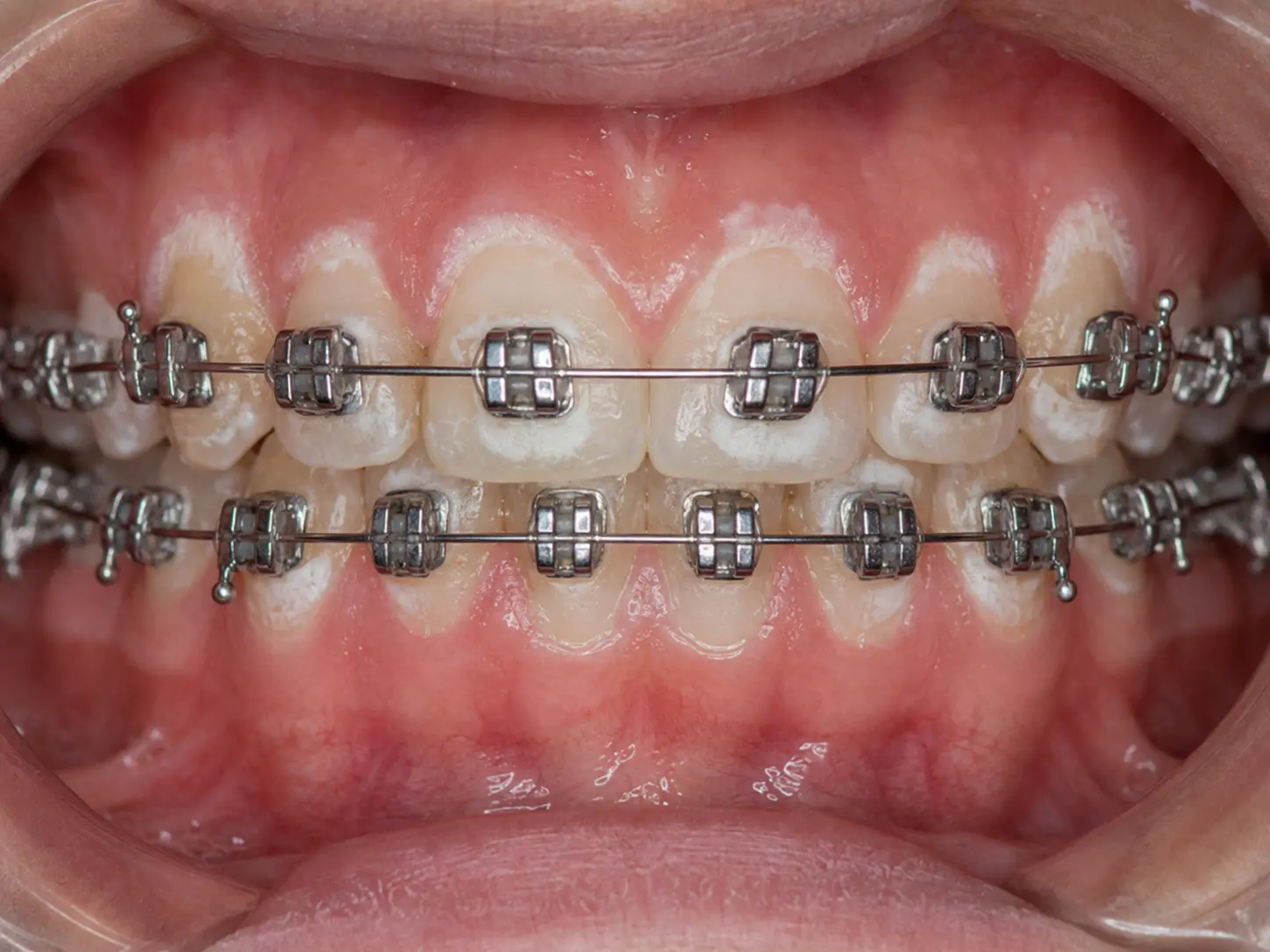
During orthodontic treatment, some patients notice small chalky white spots around the brackets. These spots may look patchy, dull, or uneven. At first, many people think they are simple stains. However, they may be early signs of teeth demineralization.
Teeth demineralization means the enamel has started to lose minerals. Enamel is the hard outer layer of the tooth. It protects the tooth from daily chewing, acids, and bacteria. When minerals such as calcium and phosphate leave the enamel, the surface becomes weaker.
In many cases, these white spots are the earliest visible stage of tooth decay. They do not always mean a cavity has already formed. However, they do show that the enamel needs attention.
Therefore, patients should not ignore white spots around braces. If they improve cleaning early, they may stop the damage from getting worse. Also, dentists can offer fluoride or other treatments to help protect the enamel.
Causes of Enamel Demineralization
During fixed orthodontic treatment, teeth are harder to clean. Brackets, wires, and bands create many small spaces. As a result, plaque can build up more easily.
Plaque often collects in these areas:
- Around brackets
- Under the orthodontic wire
- Between the wire and the gumline
- Around molar bands
- Between crowded teeth
- Near the edges of the gums
Plaque contains bacteria. These bacteria feed on sugar and starch from food. Then they produce acids. These acids pull minerals out of the enamel. Over time, the enamel becomes chalky and weak.
Therefore, people wearing braces have a higher risk of enamel demineralization. The most common sign is a white chalky spot around the bracket.
Braces do not directly cause tooth decay. However, they make cleaning more difficult. So, poor plaque control during braces can lead to white spots and early cavities.
How to Prevent Teeth Demineralization During Braces
If you are wearing braces, you need to pay close attention to oral hygiene. Prevention is much easier than treating white spots after they appear.
The most important step is daily cleaning. After meals, patients should clean the mouth as soon as possible. Brushing is best. However, if brushing is not possible, rinsing with water is still helpful.
Useful prevention tips include:
- Brush after meals when possible
- Use fluoride toothpaste
- Clean carefully around each bracket
- Brush above and below the wire
- Use an interdental brush
- Floss with a floss threader
- Rinse after eating
- Visit the dentist for regular cleanings
In addition, patients should not rush brushing. Braces need more time to clean than natural teeth. A quick brush may leave plaque behind.
Therefore, orthodontic patients should build a careful routine. Clean teeth, healthy gums, and strong enamel all help create a better final smile.
Will White Demineralization Improve After Braces Are Removed?
After braces are removed, some white spots may look better over time. This can happen when the enamel surface becomes smoother and receives minerals again.
However, white demineralized spots do not always disappear completely. Some marks may stay visible, especially on front teeth. Therefore, early prevention is still the best choice.
If white spots remain after braces, dentists may use several methods to improve them. One common option is resin infiltration. This treatment allows a special resin material to enter the tiny pores in the enamel.
Resin infiltration may help:
- Block early decay progression
- Reduce the chalky white appearance
- Improve the tooth color blend
- Protect porous enamel
- Make the surface look smoother
Other possible treatments include fluoride treatment, remineralizing products, microabrasion, whitening, or composite bonding. However, the right choice depends on the depth and size of the white spots.
Therefore, patients should not treat white spots by themselves. A dentist should check the enamel first.
What Can You Do After Teeth Demineralization Appears?
If teeth demineralization has already appeared, patients should act early. The first goal is to stop the problem from getting worse.
- Pay attention to diet and tooth-friendly foods.
A balanced diet can help support oral health. Foods rich in calcium and phosphate may support enamel strength. These include milk, yogurt, cheese, tofu, eggs, beans, peas, and leafy greens.
Some foods, such as rice, peas, and beans, can be part of a balanced diet. However, no food can directly repair all enamel damage by itself. Therefore, diet must work together with good cleaning and fluoride use.
Patients should reduce foods that irritate weak enamel, such as:
- Very cold foods
- Very hard foods
- Sticky sweets
- Sugary snacks
- Acidic foods
- Sour candies
- Frequent desserts
Also, drinking plain water is helpful. Water can rinse away food debris and dilute acids in the mouth. Therefore, it is a better daily drink than soda or sweet tea.
Control Carbonated and Acidic Drinks
- Limit carbonated drinks and sports drinks.
Carbonated drinks can increase the risk of enamel damage. Cola, soda, energy drinks, and some sports drinks often contain acids. These acids can soften enamel and worsen mineral loss.
Even sugar-free soda may still be acidic. Therefore, patients should not think “no sugar” always means “safe for teeth.”
Drinks that may increase risk include:
- Cola
- Soda
- Energy drinks
- Sports drinks
- Sweet tea
- Fruit-flavored drinks
- Frequent fruit juice
If patients drink these beverages often, the mouth stays acidic for longer. As a result, enamel has less time to recover.
A better habit is to drink water more often. If you occasionally drink an acidic beverage, drink it with a meal. Also, avoid sipping it slowly for hours.
After acidic drinks, do not brush immediately. Wait for a while and rinse with water first. This helps reduce enamel wear.
Choose the Right Toothbrush and Brushing Method
- Choose the correct toothbrush and brushing method.
A toothbrush is very important during braces treatment. However, brushing harder does not mean cleaning better. Hard bristles may wear enamel and irritate the gums.
Therefore, most patients should choose a soft-bristled toothbrush. A soft toothbrush can clean the teeth while protecting enamel and gum tissue.
Good options include:
- Soft-bristled toothbrush
- Orthodontic toothbrush
- Electric toothbrush
- Interdental brush
- Floss threader
- Water flosser
Patients should clean all sides of the brackets. They should brush above the bracket, below the bracket, and near the gumline. In addition, they should clean under the wire with an interdental brush.
The original idea of using a hard toothbrush for deep cleaning is not recommended for daily care. It may damage enamel over time. Instead, careful technique and proper tools work better.
Also, replace the toothbrush regularly. Braces can wear out bristles faster.
Use Fluoride Toothpaste and Professional Dental Care
Fluoride is very helpful for patients with early enamel demineralization. It can make enamel stronger and more resistant to acid attacks.
Patients should brush with fluoride toothpaste every day. After brushing, they can spit out the extra foam. However, they should avoid rinsing too much with water. This leaves more fluoride on the teeth.
Dentists may also recommend:
- Fluoride mouth rinse
- Fluoride varnish
- Prescription fluoride toothpaste
- Remineralizing gel
- Professional dental cleaning
- More frequent checkups
Professional care matters because some plaque is hard to remove at home. During braces treatment, patients may need cleanings more often.
If white spots appear, the dentist can check whether they are active or inactive. Active lesions may look rough and chalky. Inactive lesions may look smoother and shinier.
Therefore, regular visits help catch problems early. Early care is easier than treating deep cavities later.
Reminder for Patients Wearing Braces
Patients wearing braces should brush seriously every day. This is especially important around brackets and wires. These areas trap plaque easily.
If you notice white spots around the brackets, pay attention immediately. They may be signs of teeth demineralization. At this stage, the enamel may still be saved from deeper damage.
A better daily routine includes:
- Brush carefully with fluoride toothpaste
- Clean after meals when possible
- Rinse after eating
- Use interdental brushes
- Reduce sugary snacks
- Avoid frequent soda
- Drink more plain water
- Attend dental checkups
- Ask your dentist about fluoride treatment
Straight teeth are important. However, healthy enamel is just as important. If the teeth become covered with white spots after braces, the final smile may not look ideal.
Therefore, patients should protect enamel during the whole orthodontic process. With good cleaning, smart food choices, fluoride use, and regular dental visits, teeth demineralization can often be controlled before it develops into cavities.