


What Dental Calculus (Tartar) Means
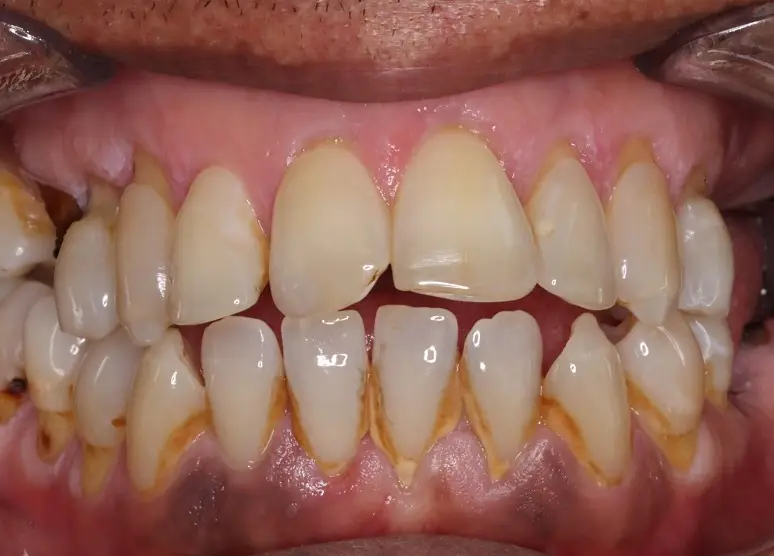
Dental calculus (tartar) is hardened plaque that sticks to teeth. It often forms near the gumline, behind lower front teeth, and around hard-to-clean areas. At first, plaque feels soft and sticky. However, when plaque stays on teeth, minerals from saliva can harden it into tartar.
This buildup is common, yet many people miss it until their gums bleed or their teeth feel rough. In addition, tartar can look yellow, brown, or even dark in some areas. It may also trap stains from tea, coffee, wine, or smoking.
In simple terms:
- Plaque is soft and removable at home.
- Tartar is hard and needs dental tools.
- Plaque can turn into tartar within days.
- Tartar can irritate gums and support bacteria.
Therefore, dental calculus removal matters for both health and appearance.
Why Tartar Forms on Teeth
Tartar begins with plaque. Plaque forms every day after eating and drinking. It contains bacteria, food particles, and saliva proteins. Although brushing removes much of it, missed plaque can remain in tight spaces.
Over time, minerals in saliva harden the plaque. As a result, the surface becomes rough. Then more plaque attaches to it. This creates a cycle that can become worse without dental cleaning.
Common causes include:
- Incomplete brushing
- Skipping floss or interdental cleaning
- Crowded teeth
- Dry mouth
- Smoking or tobacco use
- Frequent sugary snacks
- Poor-fitting dental restorations
- Irregular dental visits
However, tartar does not mean someone is careless. Many patients brush daily and still develop it. Some people naturally build tartar faster due to saliva minerals, tooth position, or gum shape.
Plaque vs Tartar: The Key Difference
Plaque and tartar are linked, but they are not the same. Plaque is a soft film. You can usually remove it with brushing and flossing. Tartar is hardened plaque. You cannot remove it safely at home.
This difference matters because many people buy “tartar removal” tools online. However, sharp tools can scratch enamel or injure gums. Also, home scraping can push bacteria deeper under the gumline.
Here is the simple comparison:
- Plaque feels soft or sticky.
- Tartar feels hard or rough.
- Plaque may look clear or pale.
- Tartar often looks yellow or brown.
- Plaque responds to daily cleaning.
- Tartar needs professional scaling.
Therefore, prevention focuses on removing plaque early. Once tartar forms, a dentist or hygienist should remove it with proper instruments.
Common Signs You May Have Tartar
Tartar can be easy to miss at first. However, your mouth often gives warning signs. You may feel rough spots on your tongue. You may also see yellow deposits near your gums.
Common signs include:
- Rough teeth near the gumline
- Yellow or brown buildup
- Bleeding when brushing
- Red or swollen gums
- Bad breath that returns quickly
- Gum tenderness
- Stains that do not brush away
- A tight feeling between teeth
In addition, tartar can form below the gumline. You may not see it, but your gums may react. For example, they may bleed more often or feel sore.
Because of this, regular dental exams are important. A dentist can check areas that a mirror cannot show clearly.
Is Dental Calculus Harmful?
Yes, dental calculus can be harmful. It not only affects appearance. It also gives bacteria a rough surface where they can stay and grow. As a result, gums may become inflamed.
At first, gum inflammation may cause gingivitis. This stage can often improve with cleaning and better home care. However, if tartar stays for too long, gum disease may progress. Then the bone that supports teeth can start to break down.
Possible risks include:
- Gingivitis
- Periodontitis
- Gum recession
- Persistent bad breath
- Loose teeth
- Tooth sensitivity
- Higher risk of cavities near the gumline
Still, early care helps. Professional cleaning removes hard deposits. Then daily brushing and interdental cleaning help stop new buildup. Therefore, tartar is treatable when patients act early.
How Dentists Remove Calculus Safely
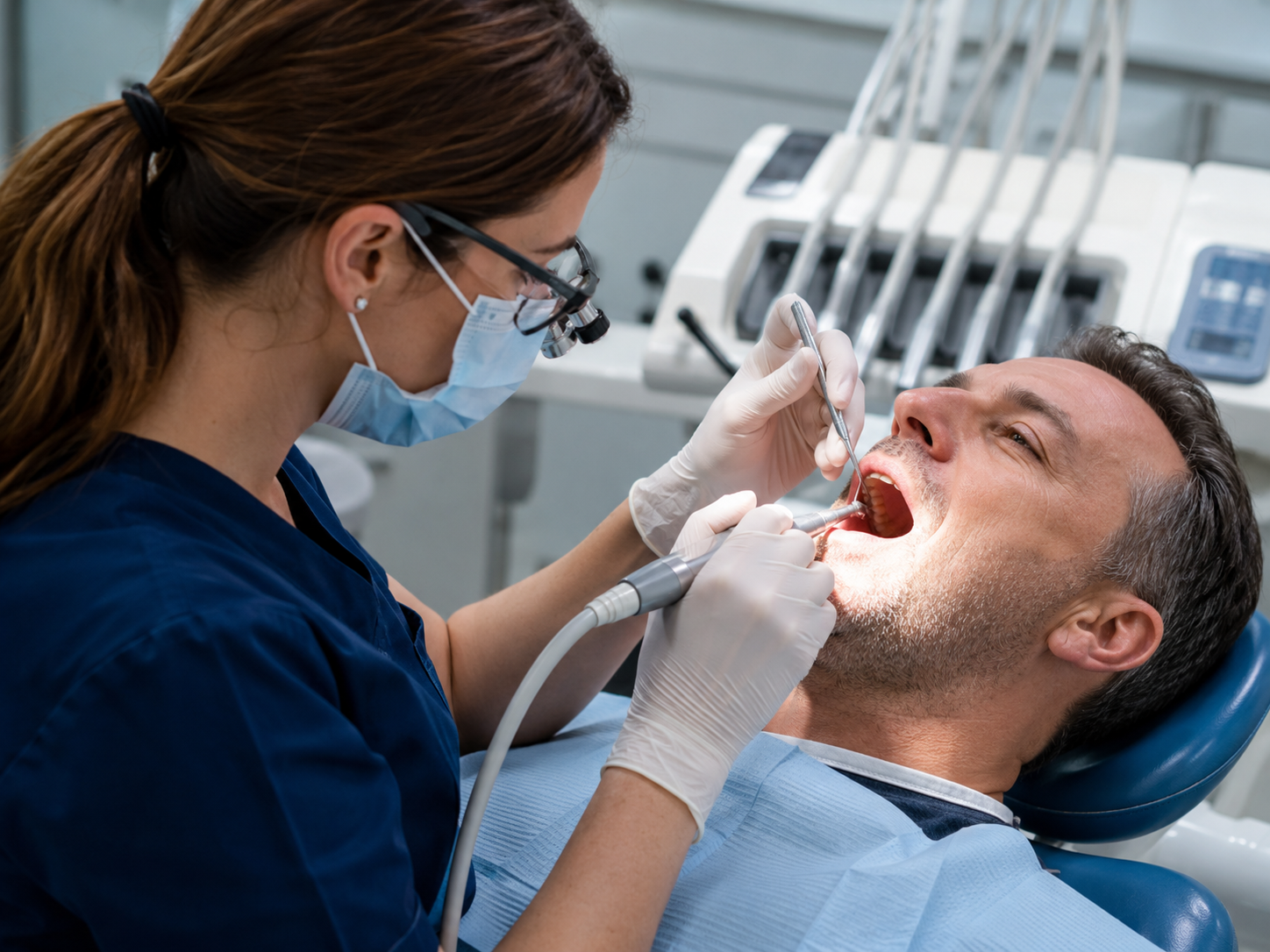
Dentists and hygienists remove tartar through scaling. They may use ultrasonic instruments, hand scalers, or both. Ultrasonic tools vibrate and use water spray. They help break up hard deposits quickly.
After that, the dental professional may use hand tools for detailed cleaning. This helps smooth small areas around the gumline. Then they may polish the teeth to remove stains and make surfaces feel cleaner.
A typical cleaning may include:
- Oral exam
- Gum health check
- Ultrasonic scaling
- Hand scaling
- Polishing
- Flossing
- Home care advice
For deeper tartar below the gums, the dentist may recommend deep cleaning. This is also called scaling and root planing. It targets bacteria and deposits around tooth roots. In many cases, this treatment helps gums heal and tighten again.
Can You Remove Tartar at Home?
You should not try to scrape tartar at home. Although online tools may look simple, they can cause damage. Enamel does not grow back after scratches. Also, injured gums can bleed or become infected.
However, you can remove plaque at home before it turns into tartar. This is the safest strategy. Good daily habits make a major difference.
Helpful steps include:
- Brush twice a day.
- Use fluoride toothpaste.
- Clean for two full minutes.
- Angle the brush toward the gumline.
- Floss once a day.
- Use interdental brushes if spaces are wider.
- Rinse with water after snacks.
- Limit sugary drinks.
In addition, an electric toothbrush may help some patients clean better. Still, technique matters more than the tool. Therefore, ask your dentist to show you the best method for your mouth.
Best Prevention Habits for 2026
Modern oral care focuses on prevention, not just treatment. In 2026, patients want simple routines that fit real life. Fortunately, tartar prevention does not need to feel complicated.
Start with the basics. Brush twice daily and clean between teeth once daily. Then build habits around meals and drinks. For example, rinse with water after coffee or sweet snacks. Also, avoid constant sipping of sugary beverages.
Strong prevention habits include:
- Use a soft-bristled toothbrush.
- Replace the brush head every three months.
- Choose fluoride toothpaste.
- Clean the tongue gently.
- Drink enough water.
- Avoid tobacco.
- Schedule routine dental cleanings.
- Ask about tartar-control toothpaste.
However, tartar-control toothpaste does not remove existing tartar. It may only slow new buildup. Therefore, combine it with professional cleaning and consistent home care.
Food, Drinks, and Tartar Buildup
Food choices affect plaque and tartar. Sugary and starchy foods feed oral bacteria. Then bacteria produce acids and sticky plaque. Over time, plaque can harden if it stays on teeth.
Frequent snacking can increase the problem. Each snack gives bacteria another chance to grow. Therefore, meal timing matters. It often helps to reduce grazing and choose tooth-friendly snacks.
Better options include:
- Plain water
- Unsweetened tea
- Fresh vegetables
- Cheese
- Nuts
- Plain yogurt
- High-fiber fruits
Meanwhile, limit sticky candies, sweet drinks, and refined snacks. Also, be mindful of coffee, tea, and red wine. These drinks may not directly create tartar, but they can stain rough tartar deposits.
As a result, teeth may look darker when tartar stays in place.
When to See a Dentist
You should see a dentist if you notice tartar, bleeding gums, or lasting bad breath. Also, schedule care if your teeth feel rough after brushing. These signs often mean deposits remain on the teeth.
Most patients benefit from dental cleaning every six months. However, some people need more frequent visits. For example, patients with gum disease, braces, implants, dry mouth, or heavy tartar buildup may need cleanings every three to four months.
You may need an appointment sooner if you have:
- Bleeding gums
- Swollen gums
- Loose teeth
- Gum recession
- Pain while chewing
- Pus near the gums
- Strong bad breath
- Sudden tooth sensitivity
Early visits can prevent bigger problems. In addition, they often reduce treatment costs and discomfort later.
Dental Calculus and Gum Disease
Dental calculus and gum disease often connect. Tartar traps bacteria near the gums. Then the immune system reacts. This reaction can cause redness, swelling, and bleeding.
At the gingivitis stage, gums may recover after cleaning. However, untreated gum inflammation can become periodontitis. At that point, infection can affect the bone and ligaments around teeth.
Warning signs may include:
- Gums pulling away from teeth
- Teeth looking longer
- Spaces forming between teeth
- Bad taste
- Loose teeth
- Pain when biting
Therefore, tartar removal protects more than your smile. It helps protect the structures that hold teeth in place. In addition, healthier gums can improve comfort, breath, and confidence.
FAQ:
How Can I Remove Calculus from My Teeth?
A dentist or hygienist should remove calculus from your teeth. You cannot brush away hardened tartar once it has formed. Also, you should not use sharp tools at home.
Professional cleaning is the safest choice because dental teams use proper instruments. They can clean visible deposits and check below the gumline. In addition, they can spot gum disease early.
At home, focus on prevention:
- Brush twice daily.
- Floss once daily.
- Use fluoride toothpaste.
- Clean around the gumline.
- Drink water often.
- Visit your dentist regularly.
So, you remove plaque at home, but your dentist removes calculus.
What Happens If Calculus Is Not Removed?
If calculus is not removed, bacteria can continue to collect around it. Over time, gums may become inflamed. Then bleeding, swelling, and bad breath may appear.
If the problem continues, gum disease can progress. The gums may pull away from the teeth. Also, bone support may weaken. In serious cases, teeth can loosen.
Possible results include:
- Chronic gum inflammation
- Deeper gum pockets
- Gum recession
- Tooth mobility
- Tooth loss
- More complex dental treatment
Therefore, early cleaning is the better choice. It is usually simpler, faster, and more comfortable than treating advanced gum disease.
Why Professional Cleaning Improves Smile Confidence
Tartar removal can improve how your mouth feels and looks. After cleaning, teeth often feel smoother. Breath may also feel fresher. In addition, removing stained tartar can brighten the smile.
However, professional cleaning is not only cosmetic. It supports healthier gums and better long-term oral health. It also helps your dentist monitor changes over time.
Patients often notice benefits such as:
- Cleaner-feeling teeth
- Less gum bleeding
- Fresher breath
- Reduced surface stains
- Better comfort while brushing
- More confidence when smiling
Moreover, a cleaning visit can motivate better habits. When teeth feel smooth, many people want to keep them that way. That makes prevention easier to maintain.
How to Keep Results After Cleaning
After tartar removal, your daily routine protects the result. Start by brushing along the gumline. Use small circles and gentle pressure. Then clean between teeth with floss or interdental brushes.
Consistency matters more than force. Hard brushing can damage gums and enamel. Instead, clean gently and thoroughly.
Try this simple routine:
- Morning: brush with fluoride toothpaste.
- After meals: rinse with water.
- Evening: floss or use interdental brushes.
- Night: brush for two minutes.
- Weekly: check rough areas with your tongue.
- Regularly: attend dental cleanings on schedule.
Also, tell your dentist if tartar returns quickly. They may suggest a different brush, toothpaste, or cleaning schedule. As a result, your care plan becomes more personal and effective.
Summarize
Dental calculus (tartar) is hardened plaque that requires professional removal. It can affect breath, gum health, tooth stability, and smile appearance. However, patients can control plaque daily with brushing, flossing, water, and regular dental visits.
For the best results, remove plaque before it hardens. Also, schedule professional cleaning when you notice rough deposits, bleeding gums, or persistent bad breath. In 2026, the strongest oral health strategy remains simple: prevent buildup early, remove tartar safely, and protect gums for the long term.