


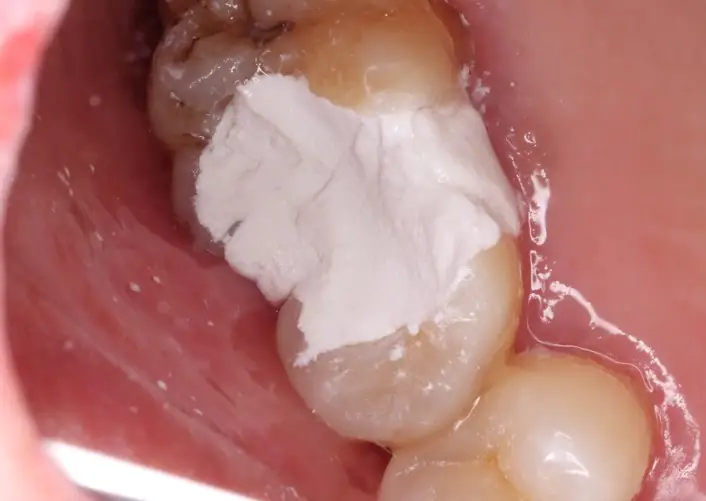
Pain After Root Canal Treatment Can Feel Alarming
Many patients expect root canal treatment to end their toothache.
However, after the procedure, some people still feel pain. In a few cases, the discomfort may even feel stronger than before.
This can make patients wonder:
- Did the treatment fail?
- Is the tooth still infected?
- Why does a tooth without a nerve still hurt?
- Should I return to the dentist immediately?
In fact, mild pain after root canal treatment is relatively common.
During treatment, the dentist removes infected or dead pulp tissue. The root canals are then cleaned, disinfected, shaped, and filled.
Although the nerve inside the tooth has been removed, living tissues still surround the root. These tissues can become irritated during treatment.
Therefore, the tooth may feel tender when touched or used for chewing.
Mild discomfort that gradually improves is usually part of recovery. However, severe or persistent pain may indicate another problem.
The following causes are among the most common.
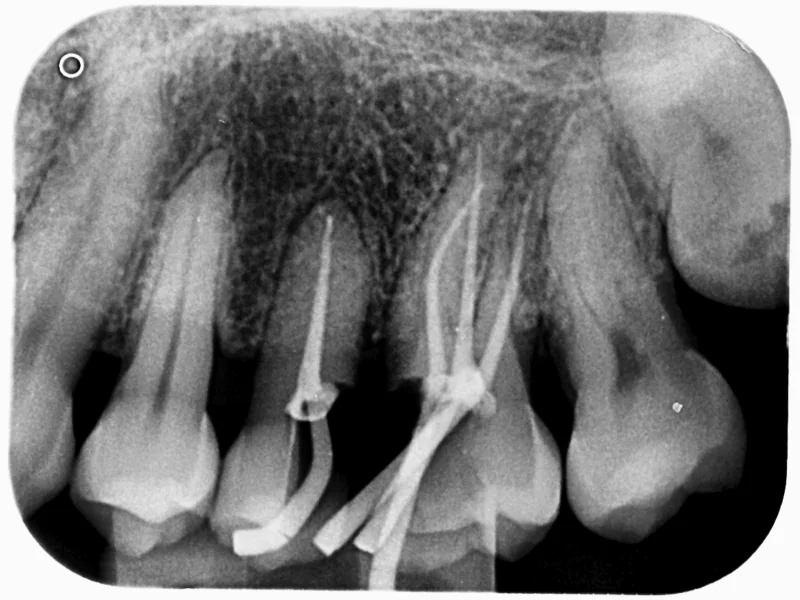
Normal Post-Treatment Reaction
A Temporary Part of Recovery
Root canal treatment is a complex and precise procedure.
The dentist must remove infected or damaged pulp from inside the tooth. Then, the root canal system must be thoroughly cleaned and disinfected.
During this process, the instruments may work close to the root tip.
As a result, the tissues around the root may develop a mild inflammatory reaction.
Patients may experience:
- Mild aching
- Tenderness when biting
- Sensitivity to pressure
- Slight throbbing
- Discomfort when touching the tooth
This pain usually remains within a manageable range.
Moreover, it should become lighter each day.
For many patients, discomfort is most noticeable during the first two or three days. After that, it gradually settles.
A tooth that had severe inflammation before treatment may need more time to recover.
Therefore, mild soreness does not necessarily mean the treatment has failed.
The key is the direction of recovery.
If the pain slowly improves, the tissues are usually healing normally. However, pain that becomes stronger needs further assessment.
Irritation From Instruments or Cleaning Solutions
Dentists use fine instruments to clean and shape the root canals.
They also use disinfecting solutions to remove:
- Bacteria
- Dead pulp tissue
- Infected material
- Small tissue fragments
- Contaminated debris
These steps are essential. However, they may temporarily irritate the tissues near the root tip.
In some cases, a small amount of debris may move beyond the root opening.
This can cause:
- Pressure around the tooth
- Pain when chewing
- Local tenderness
- Mild throbbing
- Temporary inflammation
The disinfecting solution may also irritate the surrounding tissues if a small amount passes beyond the root tip.
Mild irritation normally improves as the body absorbs and clears the material.
However, sudden and intense pain is not a routine reaction.
Contact the dentist promptly if you develop:
- Rapid swelling
- Severe burning pain
- Facial bruising
- Numbness or tingling
- Pain that continues to worsen
- Strong discomfort that medicine cannot control
The dentist may need to examine the area and take a dental X-ray.
Filling Material Causes Discomfort
Overfilling Beyond the Root Tip
After cleaning, the dentist fills the root canals with special materials.
These materials seal the canal system and reduce the chance of bacteria entering again.
However, filling material may occasionally extend beyond the root tip.
A small extension does not always cause a problem.
Still, excess material may place pressure on nearby tissues. It may also irritate local nerve endings.
The tooth may then feel:
- Painful when biting
- Tender when tapped
- Sore around the root
- Uncomfortable under pressure
- Persistently sensitive
Minor irritation may gradually improve.
However, severe or lasting pain requires a dental review.
The dentist will assess:
- How much material extends beyond the root
- Whether inflammation is present
- Whether the pain is improving
- Whether the tooth can tolerate biting
- Whether further treatment is necessary
Treatment may involve observation, adjustment, retreatment, or root-end surgery.
The correct choice depends on the symptoms and clinical findings.
Incomplete Filling and Remaining Infection
Underfilling may also create problems.
If the material does not seal the full length of the canal, bacteria may remain in the untreated space.
The bacteria can continue to multiply.
As a result, inflammation may persist around the root.
Patients may notice:
- Continuous pain
- Throbbing discomfort
- Pain when biting
- Gum swelling
- A small pimple on the gum
- Pus or a bad taste
- Repeated facial swelling
The pain may begin soon after treatment.
However, symptoms can also appear months or even years later.
Root canals are not always straight or simple.
They may contain:
- Small side branches
- Narrow passages
- Curved canals
- Extra canals
- Calcified areas
- Complicated root shapes
Therefore, some infected spaces can be difficult to locate and clean.
If bacteria remain, the dentist may recommend root canal retreatment.
During retreatment, the old filling material is removed. Then, the canals are cleaned, disinfected, and sealed again.
Bite Problems: When the Tooth Hits Too Early
A High Filling or Crown
Pain after root canal treatment does not always mean infection.
Sometimes, the treated tooth sits slightly higher than nearby teeth.
This often happens when a temporary filling, permanent filling, or crown creates a high biting point.
When the patient closes the mouth, the treated tooth touches first.
Therefore, it receives more pressure than the other teeth.
Patients may feel that:
- The tooth is too tall
- The tooth hits first
- Biting causes sharp pain
- The tooth feels comfortable at rest
- Chewing makes the pain worse
- The area becomes more tender each day
The tissues around the root act like a shock absorber.
Repeated excess pressure can inflame these tissues and cause pain.
Fortunately, this problem is often easy to correct.
The dentist can use marking paper to find the high point. Then, a small adjustment can restore a more balanced bite.
Patients should not wait for the filling to “wear down” on its own.
An early bite adjustment can reduce pain and protect the treated tooth.
Changes in Tooth Strength and Shape
A root canal-treated tooth may become more vulnerable to fracture.
However, the main reason is not simply the loss of the tooth nerve.
The tooth usually loses structure because of:
- Deep decay
- A large old filling
- A crack
- Previous trauma
- The root canal access opening
- Removal of weak enamel and dentin
Therefore, the remaining tooth structure may not tolerate heavy chewing forces.
Back teeth often need a crown or another protective restoration after root canal treatment.
Without enough protection, the tooth may crack.
A cracked tooth may cause:
- Sharp pain when biting
- Pain when releasing the bite
- Intermittent discomfort
- Local gum swelling
- Repeated infection
- A deep gum pocket beside the crack
Until the final restoration is complete, patients should avoid:
- Ice
- Hard nuts
- Hard candy
- Bones
- Sticky foods
- Chewing directly on the treated tooth
A suitable restoration can protect the tooth and improve its long-term stability.
Infection Was Not Completely Removed
Hidden Bacteria May Remain
The root canal system has a complex internal structure.
Some teeth contain hidden or unusually shaped canals.
As a result, infected tissue may remain after the first treatment.
Possible reasons include:
- A missed canal
- A very narrow canal
- A sharply curved root
- Severe calcification
- A blocked canal
- A separated instrument
- A crack in the tooth
- Leakage under a filling or crown
When bacteria remain, inflammation around the root may continue.
This type of pain may feel:
- Deep
- Constant
- Throbbing
- Severe when biting
- Difficult to control with pain medicine
Patients may also experience:
- Gum swelling
- Facial swelling
- Fever
- Pus
- A bad taste
- Tender lymph nodes
- Difficulty opening the mouth
These symptoms need professional care.
The dentist may reopen and clean the tooth. In other cases, root-end surgery or extraction may be necessary.
Antibiotics may help when infection spreads or causes fever. However, antibiotics alone cannot remove bacteria trapped inside the root canal.
Therefore, dental treatment remains essential.
Reinfection From a Leaking Filling or Crown
Even a successfully treated tooth can become infected again.
Bacteria may enter from the top of the tooth when the restoration no longer seals properly.
Common causes include:
- A loose temporary filling
- A cracked permanent filling
- A poorly fitting crown
- New tooth decay
- A broken tooth
- Delayed placement of the final crown
- A temporary restoration that falls out
Saliva contains many bacteria.
Therefore, a leaking restoration can contaminate the cleaned canal system.
At first, the tooth may feel normal.
Later, patients may develop:
- Pain while chewing
- A dull ache
- Gum swelling
- A pimple near the tooth
- An unpleasant taste
- Repeated discomfort
- Facial swelling
Contact the dentist promptly if a temporary filling or crown falls out.
Root canal treatment protects the tooth from the inside.
Meanwhile, the final filling or crown protects it from the outside.
Both parts are necessary for long-term success.
What to Do About Pain After Treatment
If the pain is mild and improves each day, special treatment may not be necessary.
Patients can support recovery by:
- Following the dentist’s pain-relief instructions
- Keeping the mouth clean
- Brushing gently around the tooth
- Eating soft foods
- Chewing on the opposite side
- Avoiding hard and sticky foods
- Protecting the temporary filling
- Attending the next dental appointment
Do not chew until the numbness has completely worn off.
Otherwise, you may bite your cheek, tongue, or lip.
Also, do not place aspirin or crushed medicine directly against the gum.
This can damage the soft tissue.
Patients should not take leftover antibiotics without professional advice.
If the tooth feels high when biting, contact the dentist.
Likewise, arrange a review if the pain does not show a clear trend toward improvement.
How Dentists Manage Ongoing Pain
The dentist first needs to identify the source of the pain.
The examination may include:
- Checking the bite
- Tapping the tooth gently
- Examining the gums
- Inspecting the filling or crown
- Testing nearby teeth
- Taking dental X-rays
- Looking for cracks or swelling
Treatment depends on the cause.
If Filling Material Causes the Problem
The dentist may monitor the tooth or repeat part of the treatment.
In some cases, root-end surgery may be considered.
If the Bite Is Too High
The dentist can adjust the filling or crown.
This often reduces pressure quickly.
If Infection Remains
Root canal retreatment may be needed.
The dentist reopens the tooth and cleans the canals again.
If the Restoration Leaks
The filling or crown may need repair or replacement.
If the Tooth Is Cracked
A crown may protect a limited crack.
However, a deep root fracture may make extraction necessary.
The treatment should address the cause rather than only cover the pain.
FAQ
How Long Does a Root Canal Take?
A root canal usually takes about 60 to 90 minutes per visit. However, complex teeth may need two or more appointments. Treatment time depends on the number of canals, infection level, tooth position, and treatment difficulty.
How Much Does a Root Canal Cost?
The cost varies by tooth type, canal number, treatment difficulty, clinic, and location. Molars usually cost more because they have several canals. The total may also include X-rays, fillings, core buildup, and a crown.
Can U Drive After a Root Canal?
Most patients can drive after treatment with local anaesthesia. However, do not drive after sedation or when medicine causes drowsiness. Arrange transportation if your dentist plans to use a sedative.
Can You Eat After a Root Canal?
Wait until the numbness wears off before eating. Choose soft food and chew on the opposite side. Avoid hard or sticky foods until the dentist places the final restoration.
How Long Do Root Canals Last?
A properly treated and restored tooth can last for many years. Some remain functional for life. Long-term results depend on the treatment quality, final restoration, oral hygiene, bite pressure, and regular dental care.
Summarize
Mild pain after root canal treatment is common.
The cleaning, shaping, disinfection, and filling process can irritate the living tissues around the root.
This discomfort usually remains manageable.
Moreover, it should gradually improve within several days.
However, severe or persistent pain may relate to:
- A normal but stronger inflammatory reaction
- Irritation near the root tip
- Excess filling material
- Incomplete canal filling
- Remaining bacteria
- A missed canal
- A high filling or crown
- A leaking restoration
- A cracked tooth
- Recurrent infection
If the pain is mild and fading, patients can rest, eat soft food, and protect the treated tooth.
However, pain that becomes worse needs dental attention.
Swelling, fever, pus, a foul taste, or severe biting pain should not be ignored.
Meanwhile, breathing difficulty, swallowing problems, or rapidly spreading swelling require urgent care.
The dentist may adjust the bite, repair the restoration, clean the canals again, or treat the infection.
Therefore, timely follow-up is important.
When pain after root canal treatment does not improve normally, an early dental examination can identify the cause and give the tooth the best chance of recovery.